
how to build a glp-1 nutrition plan that actually sticks
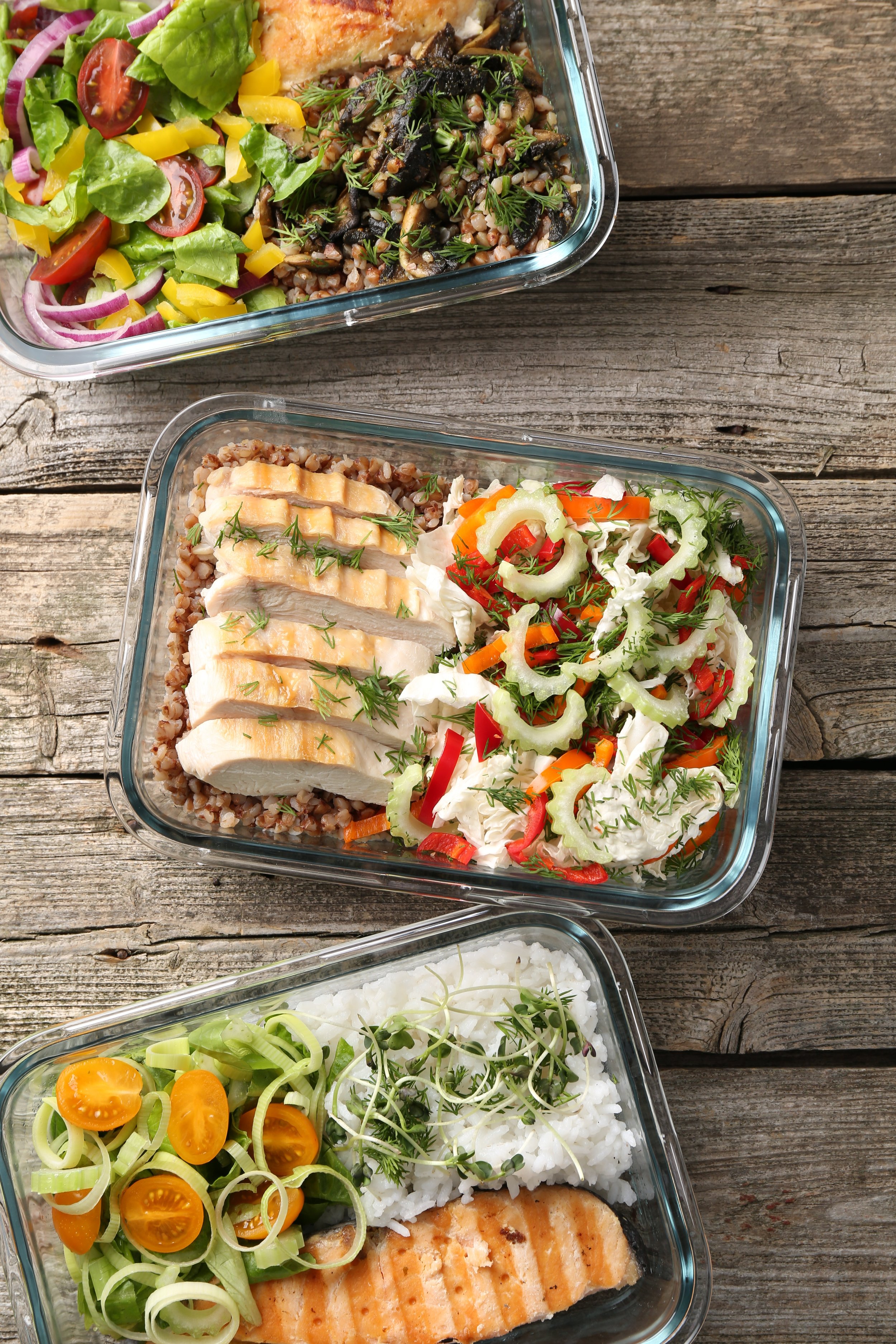
Starting a GLP-1 can change the way you think about food. You may feel less hungry, get full after just a few bites, or suddenly find foods and portions you used to enjoy not appealing. So how do you build a nutrition plan around an appetite that may keep changing?
This is where GLP-1 nutrition support comes in. Rather than simply focusing on eating less, good nutrition support can help you get the nutrients your body needs as your appetite and food intake change. And contrary to popular belief, the answer isn't a rigid meal plan or a long list of foods you aren't allowed to eat. A good GLP-1 nutrition plan should give you enough structure to meet your nutritional needs while leaving plenty of room for real life. Most importantly, it should be something you can stick with long-term.
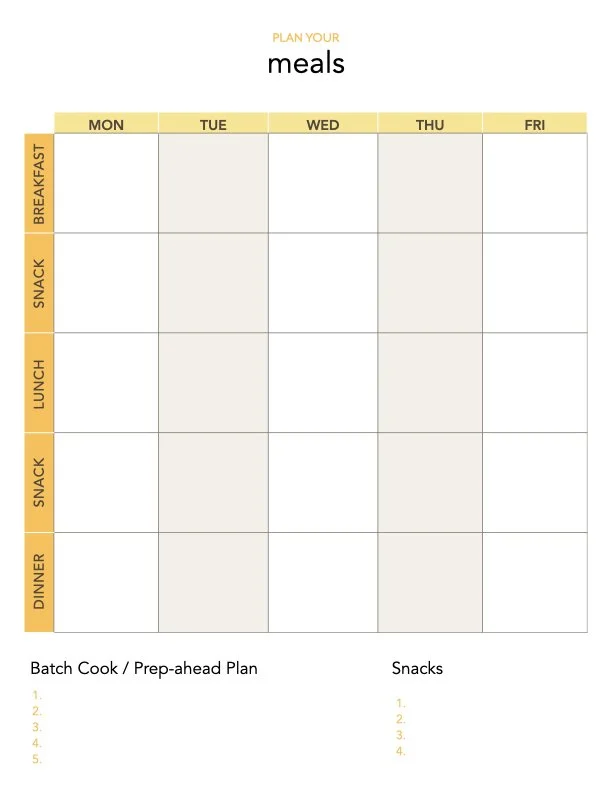
A sustainable meal plan can be a supportive tool that helps you eat healthy and well throughout the week.
Consider splitting meal planning into three phases: planning, shopping, and prepping.
What core elements belong in a glp-1 nutrition plan?
When you're eating less, what you choose to eat becomes especially important. Your body still needs protein, fiber, healthy fats, carbohydrates, vitamins, minerals, and fluids — even if your appetite isn't reminding you. GLP-1 nutrition support starts with these basics. Instead of overhauling your entire diet, focus on a few nutrition priorities that help you get what you need from the smaller amounts of food you may be eating.
Make protein a priority. Protein supports muscle during weight loss, making it one of the most important pieces of a GLP-1 nutrition plan (1).
Try to include a lean protein-rich food whenever you eat:
Eggs
Greek yogurt or skyr
Cottage cheese
Chicken and turkey
Fish and seafood
Beans and lentils
Tofu and edamame
Nuts, seeds, and nut butters
If you get full quickly, eat your protein first (1). Options such as an egg with whole-grain bread and hummus, turkey and cheese roll-ups with fruit and crunchy vegetables, or a smoothie made with high-protein yogurt can also work well when a full meal feels like too much. And don't forget strength training. Protein and regular resistance exercise work together to help support muscle during weight loss (1).
Add fiber-rich foods. Fiber supports digestive health, which can be particularly important if constipation becomes an issue. Increase fiber gradually and make sure you’re drinking enough fluids, since fiber and hydration work together to support regular bowel movements (1).
Look for ways to include:
Fruits and vegetables like raspberries, avocado, pears, broccoli, and Brussels sprouts
Beans and lentils like black beans, chickpeas, kidney beans, and green or brown lentils
Oats and other whole grains like oatmeal, brown rice, quinoa, and whole-grain bread
Nuts and seeds like chia seeds, ground flaxseeds, almonds, and pistachios
Keep fluids in the plan. When you're eating less, you may unintentionally drink less too. Keep water nearby and sip throughout the day instead of waiting until you're noticeably thirsty. If you're experiencing vomiting or diarrhea, replacing lost fluids becomes even more important (1).
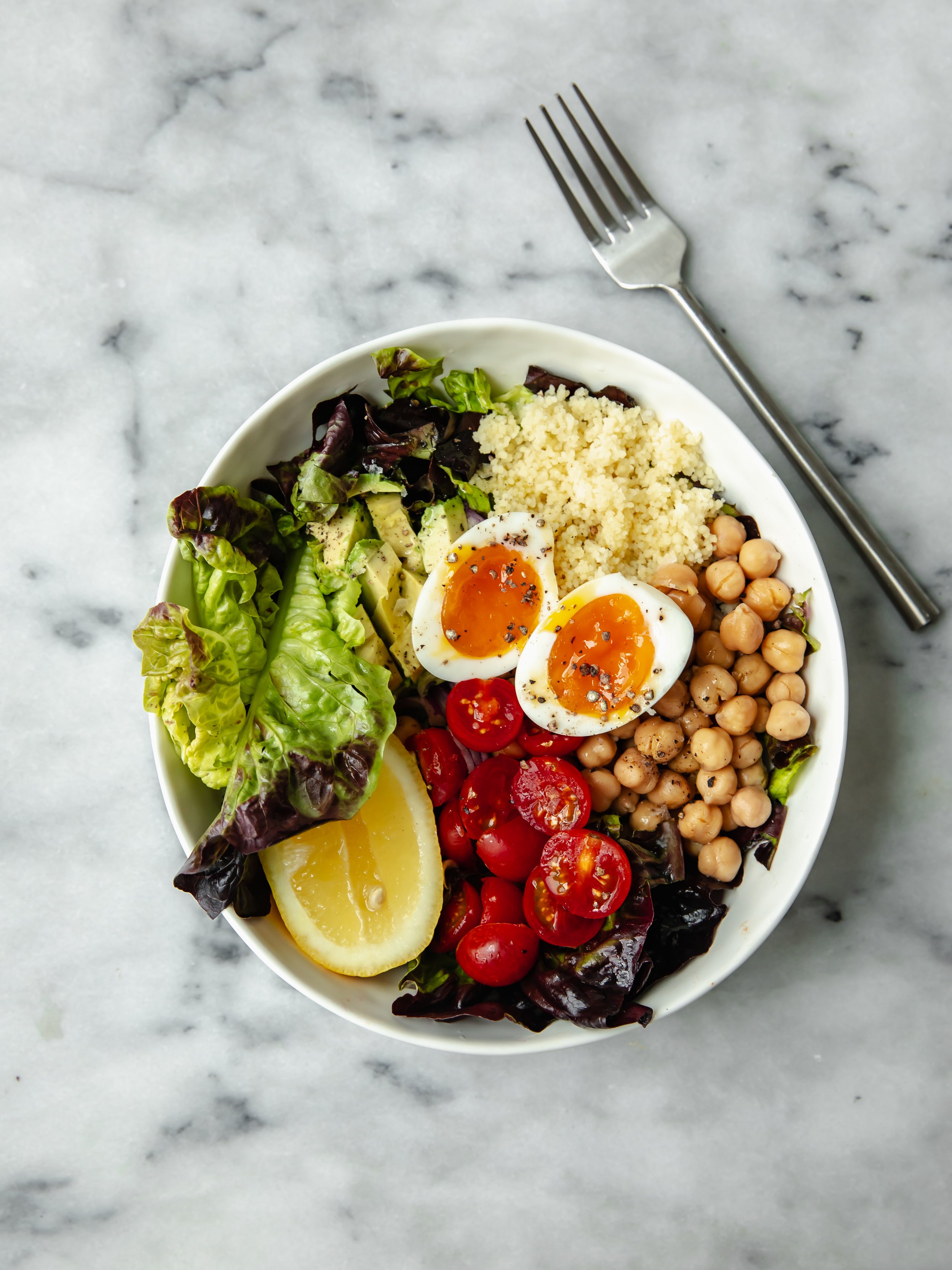
Make smaller meals count. GLP-1 medications can significantly reduce how much you eat. In a 2025 randomized controlled trial, people taking semaglutide consumed about 30% fewer calories at 20 weeks and 24% fewer at 60 weeks compared with those taking a placebo (2). That means smaller meals need to work a little harder. Think small but nutrient-dense: an egg with avocado on whole-grain toast, oatmeal made with milk (or fortified milk alternative) and topped with fruit and nuts, low-fat cottage cheese with avocado and a few whole-grain crackers, or a smoothie made with high-protein yogurt, fruit, and greens.
Who should have their plan reassessed regularly?
A GLP-1 nutrition plan isn't something you create once and never look at again. Everyone can benefit from checking in periodically with a physician and registered dietitian. Reassessment becomes particularly important if you:
Are losing weight very rapidly (this may look like more than 1-2 lbs per week)
Consistently have very little appetite
Frequently skip meals because you aren't hungry
Have ongoing nausea, vomiting, diarrhea, or constipation
Are struggling to get enough protein
Have eliminated several foods or food groups
Feel weak or notice a decline in strength
Have difficulty staying hydrated
Have another medical condition that affects your nutritional needs
While weight loss is the goal, it’s important to also maintain good nutrition and health. Pay attention to how you feel in addition to what the scale says. Persistent fatigue, weakness, dehydration, or difficulty eating enough deserve attention even if you're pleased with your weight loss. A registered dietitian can help determine whether your current eating pattern is meeting your needs and adjust the plan as your body, medication, and goals change.
Should a glp-1 nutrition plan evolve as side effects change?
Your nutrition plan should change when your symptoms do. Nausea and other gastrointestinal side effects can be more noticeable when starting treatment or increasing the medication dose (1). During these periods, the meals you normally enjoy may suddenly feel too large or too rich.
When nausea hits, try:
Smaller, more frequent meals
Eating slowly
Bland or lower-fat foods
Toast, crackers, rice, oatmeal, or soup
Ginger or ginger tea
Sipping fluids throughout the day
If constipation becomes a problem, gradually increase fiber-rich foods and pay extra attention to fluids and movement. If vomiting or diarrhea occurs, hydration becomes a priority. However, don't let a temporary symptom permanently change what you eat. Toast and crackers may be exactly what your stomach needs for a day or two. Once you feel better, gradually bring back protein-rich foods, fruits, vegetables, whole grains, healthy fats, and a wider variety of foods. Your nutrition plan should grow and change as your treatment progresses.
Where should flexibility be built into your plan?
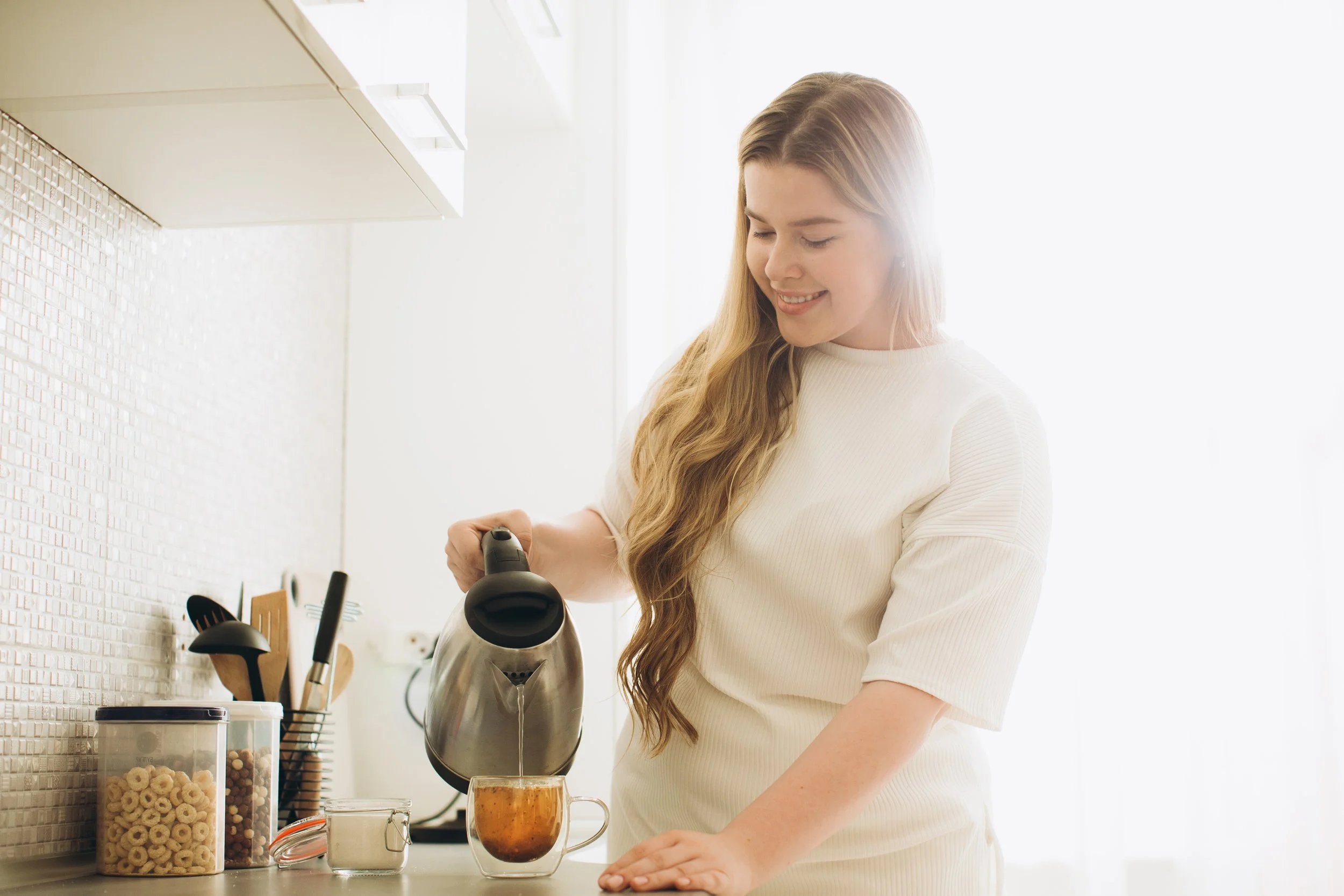
A healthy and sustainable plan is always flexible, whether on a GLP-1 or not. A plan that's too rigid is unlikely to work well when your appetite can change from day to day — or from one dose to the next.
-
You don't need to eat the same amount every day. Start with smaller portions and eat more if you're still hungry.
-
Three traditional meals aren't the only way to eat well. Smaller meals or snacks throughout the day may work better when your appetite is low. Try three smaller meals and 1-2 snacks.
-
Description You don't need to eat chicken breast at every meal. Eggs, yogurt, cottage cheese, tofu, beans, lentils, fish, nuts, and seeds all provide protein.text goes here
-
There is no need to eliminate carbohydrates, dessert, restaurant meals, or favorite foods because you're taking a GLP-1. These foods may still be enjoyed in moderation.
A sustainable eating pattern includes change and variety. The goal is to make nutrient-dense foods — foods that pack a lot of nutrition into a small portion — the foundation of your diet without turning your GLP-1 nutrition plan into another restrictive diet you can't maintain.
Build a plan for the long term
A plan that “sticks” should work beyond the active weight-loss phase, as your GLP-1 journey will likely ebb and flow over time. Your medication dose may change. Your appetite may change as treatment continues. Your activity level may increase. And at some point, you and your physician may decide to change or discontinue your medication.
Though GLP-1 use is fairly new, long-term planning matters. In a 2022 GLP-1 study, participants regained about two-thirds of their previous weight loss during the year after semaglutide and lifestyle intervention were discontinued (3). This doesn't mean everyone will regain the same amount, but it does reinforce the importance of ongoing support. Use your time on a GLP-1 to build habits that don't depend entirely on appetite suppression. Find protein-rich foods you actually enjoy. Learn how to put together a balanced meal without measuring every bite. Find forms of exercise you'll realistically continue. Figure out which fruits, vegetables, whole grains, and other nutrient-rich foods fit naturally into your life. Those are the habits worth keeping!
Written by Rachel Burge, MS, ACSM-CPT

Rachel is a dietetic intern at San Francisco State University and has a background in nutrition, journalism, and as a personal trainer. She believes that food and exercise are medicine and the key to a healthier and more enjoyable lifestyle. In her free time, she enjoys gardening, running, yoga, and travel.

This post was reviewed by Kelly Powers, MA, RDN. Kelly is a Registered Dietitian and Culinary Nutritionist who takes a holistic approach to nutrition and health. Kelly specializes in GLP-1 nutrition, the Mediterranean diet, women’s health, family nutrition, meal planning, and sustainable behavior change, helping her clients reach their health goals while improving their relationship with food. She’s also a nutrition consultant for health and tech startups, food companies, and brands she believes in. You can schedule a free consultation for 1:1 nutrition coaching with Kelly here.