
high protein foods for glp-1s: why they matter and what to eat

When you're taking a GLP-1 medication, getting enough protein can become challenging. You may feel less hungry, get full quickly, or simply find that larger portions of food are no longer appealing. Of all the GLP-1 foods to prioritize, protein-rich choices deserve particular attention. Choosing high-protein foods for GLP-1 treatment can help you meet your needs even when you're eating less.
Though protein helps maintain muscle while you're losing weight, eating more protein isn't the only piece of the puzzle. Experts recommend combining adequate protein with resistance or strength training to help preserve lean mass during GLP-1 treatment (1).
What are the best high-protein foods for glp-1 users with a small appetite?
When your appetite is low, look for GP-1-friendly foods that provide a meaningful amount of protein without requiring a large meal. Food that is prepared ahead can easily be adjusted to different portion sizes, so plan and prep when you can.
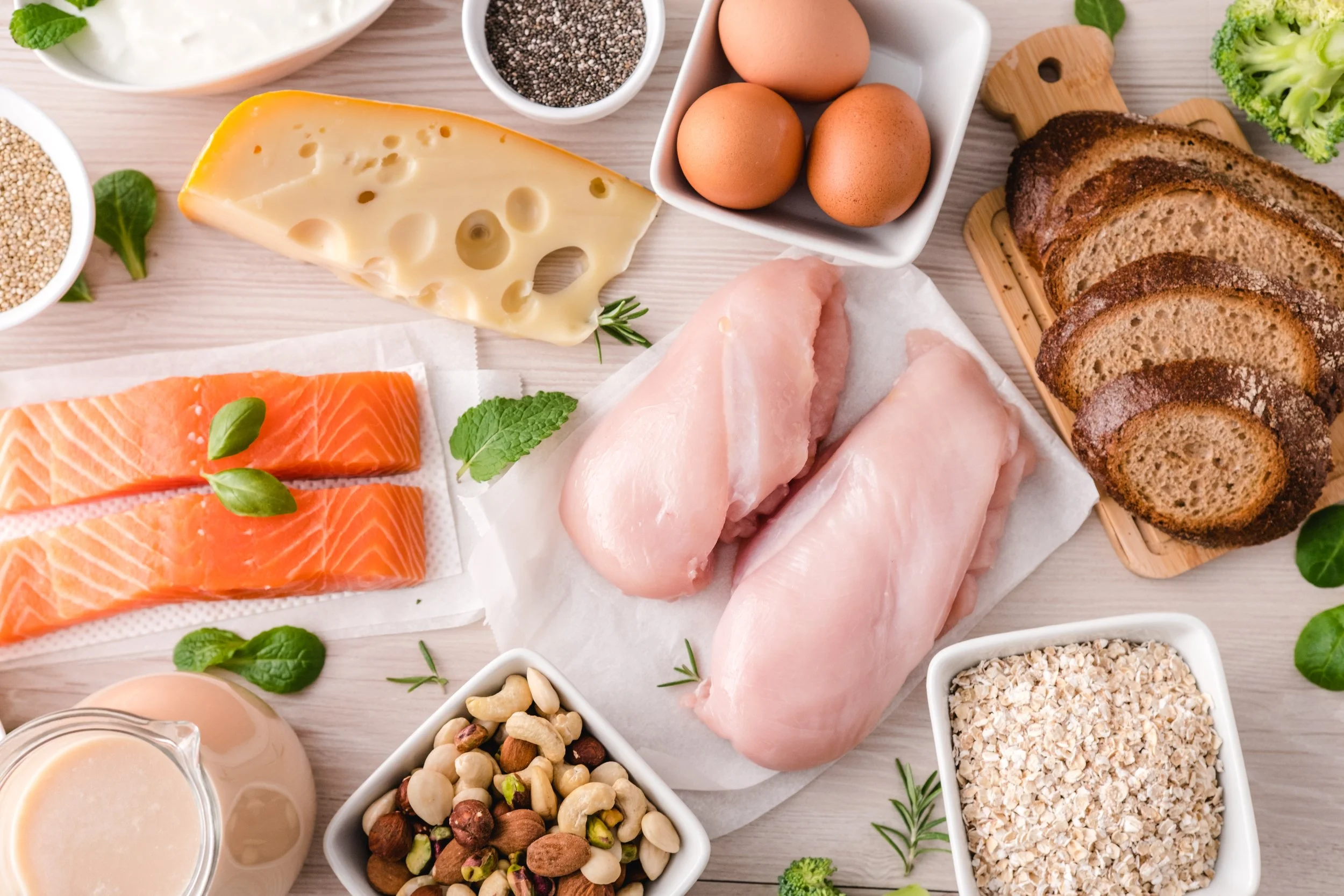
Good options include:
High-protein yogurt like Greek or skyr
Cottage cheese
Eggs
Fish and seafood
Chicken and turkey
Tofu and edamame
Beans and lentils
Nuts, seeds, and nut butters
Milk or fortified milk alternatives
Think small but mighty. Greek yogurt or skyr with nuts and berries, an egg with avocado toast, cottage cheese with fruit and whole-grain toast, or a small bowl of chicken and rice with broccoli can provide protein along with other important nutrients. Protein shakes and protein bars can also be useful when eating enough protein from food is difficult. They aren't necessary for everyone, and many people can get enough protein from whole foods (1).
Why is protein the single most important macro on these medications?
Protein deserves particular attention because weight loss doesn't come entirely from body fat. Some lean tissue, including muscle, can also be lost as body weight decreases. Preserving muscle is important for maintaining strength, physical function, and long-term health (1). This becomes especially important when you're eating substantially less food. Fewer meals and smaller portions mean fewer opportunities to get enough protein throughout the day.
Though protein needs to be prioritized while on a GLP-1, it doesn't mean carbohydrates and fats aren't important. All three macronutrients are essential, and all three have a place in a balanced diet. Carbohydrates provide energy and fiber, supporting digestive health, and healthy fats provide essential fatty acids and help your body absorb certain vitamins. The goal isn't to replace everything on your plate with protein while on a GLP-1; it's to make sure protein doesn't get lost when your appetite and portions shrink.
When should you prioritize protein intake during the day?
Rather than trying to eat most of your protein at one meal, include a protein-rich food each time you eat (1). If you get full quickly, consider eating the protein portion of your meal first. This can help you get more of it in before you become too full to finish your meal (1).
Breakfast is an easy place to start. Instead of toast alone, add eggs or ham. At lunch, include chicken, tuna, beans, tofu, or another protein. Dinner can include fish, poultry, beans, lentils, or tofu. Snacks can help fill the gaps. Try Greek yogurt or skyr, cottage cheese, a hard-boiled egg, edamame, nuts, or a small smoothie with protein. Eating regularly and balanced throughout the day will create several opportunities to increase protein intake, even when hunger cues are quiet.

Where to find protein sources that are easy to tolerate?
Your usual protein choices may not always sound appealing while taking a GLP-1. Changes in appetite, food preferences, nausea, or feeling full quickly can make some foods harder to eat (1). Some people also experience changes in taste, which can make familiar foods less appealing (2). Fortunately, many high-protein foods for GLP-1 users are easy to keep on hand and require little preparation.
Try smaller portions and experiment with different textures and temperatures. Easy GLP-1 foods may include:
Chilled Greek yogurt, skyr, or cottage cheese
Warm scrambled or cold hard-boiled eggs
Soup with chicken, beans, or lentils
Canned, fresh, or smoked tuna and salmon
Warm or cold tofu and edamame
Smoothies made with Greek yogurt or skyr, milk, or fortified alternative
Nut or seed butter with fruit or toast
If nausea is an issue, very fatty or greasy protein foods may be more difficult to tolerate. Choose smaller portions and simpler preparations until you feel better, then gradually return to a more varied diet (1).
Getting enough protein on a GLP-1 isn't about eating huge portions or living on protein shakes. The best GLP-1 foods are the ones that help you meet your nutritional needs and feel your best. Choose protein-rich foods in portions you can comfortably eat regularly, while including fruits, vegetables, whole grains, healthy fats, and other foods that nourish your body.
Written by Rachel Burge, MS, ACSM-CPT

Rachel is a dietetic intern at San Francisco State University and has a background in nutrition, journalism, and as a personal trainer. She believes that food and exercise are medicine and the key to a healthier and more enjoyable lifestyle. In her free time, she enjoys gardening, running, yoga, and travel.

This post was reviewed by Kelly Powers, MA, RDN. Kelly is a Registered Dietitian and Culinary Nutritionist who takes a holistic approach to nutrition and health. Kelly specializes in GLP-1 nutrition, the Mediterranean diet, women’s health, family nutrition, meal planning, and sustainable behavior change, helping her clients reach their health goals while improving their relationship with food. She’s also a nutrition consultant for health and tech startups, food companies, and brands she believes in. You can schedule a free consultation for 1:1 nutrition coaching with Kelly here.