
top 10 foods to eat on a glp-1
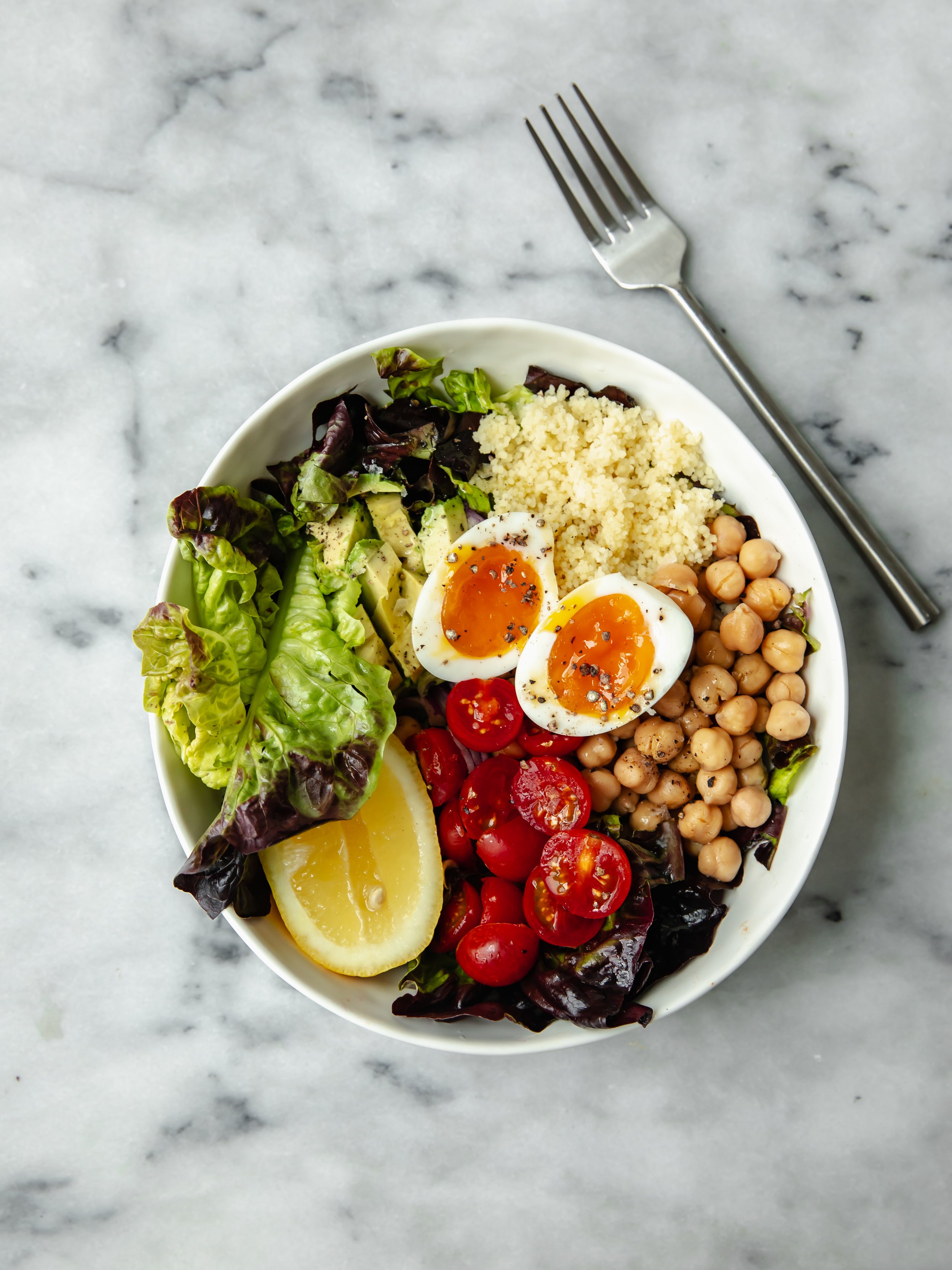
When you're eating less on a GLP-1 medication, the foods you choose matter. Smaller portions mean fewer opportunities to get the protein, fiber, vitamins, minerals, and healthy fats your body needs (1). No special foods make GLP-1 medications work better. Instead, focus on nutritious foods that you enjoy and can comfortably eat. Here are 10 GLP-1 foods worth adding to your regular rotation.
1. Avocado
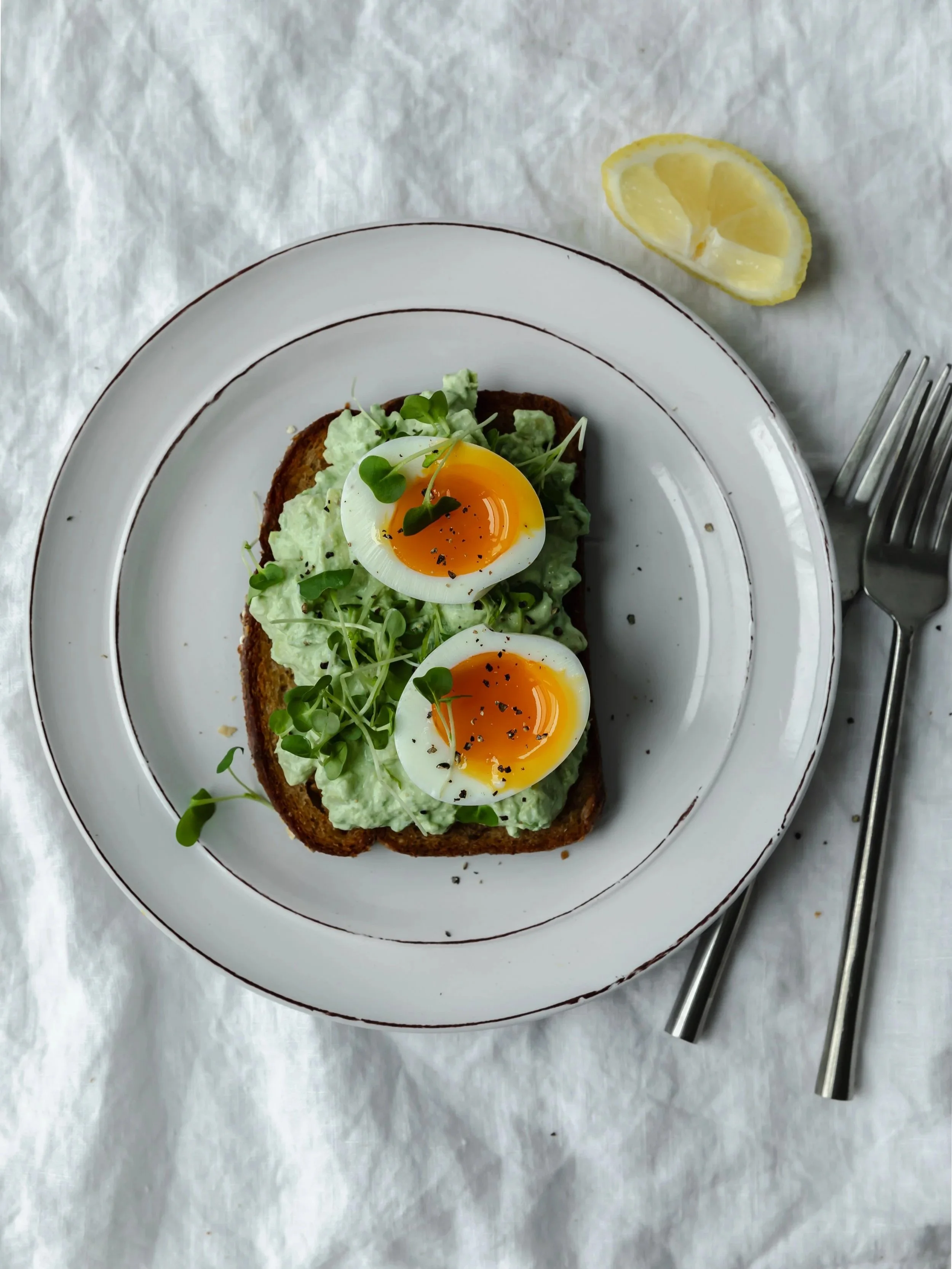
Avocados pack fiber, heart-healthy fats, potassium, and other nutrients in a small serving.
A typical serving is about ⅓ of a medium avocado. Mash it onto whole-grain toast with cottage cheese and an egg, add it to a grain bowl, or slice it onto tacos or salads.
2. Whole grains
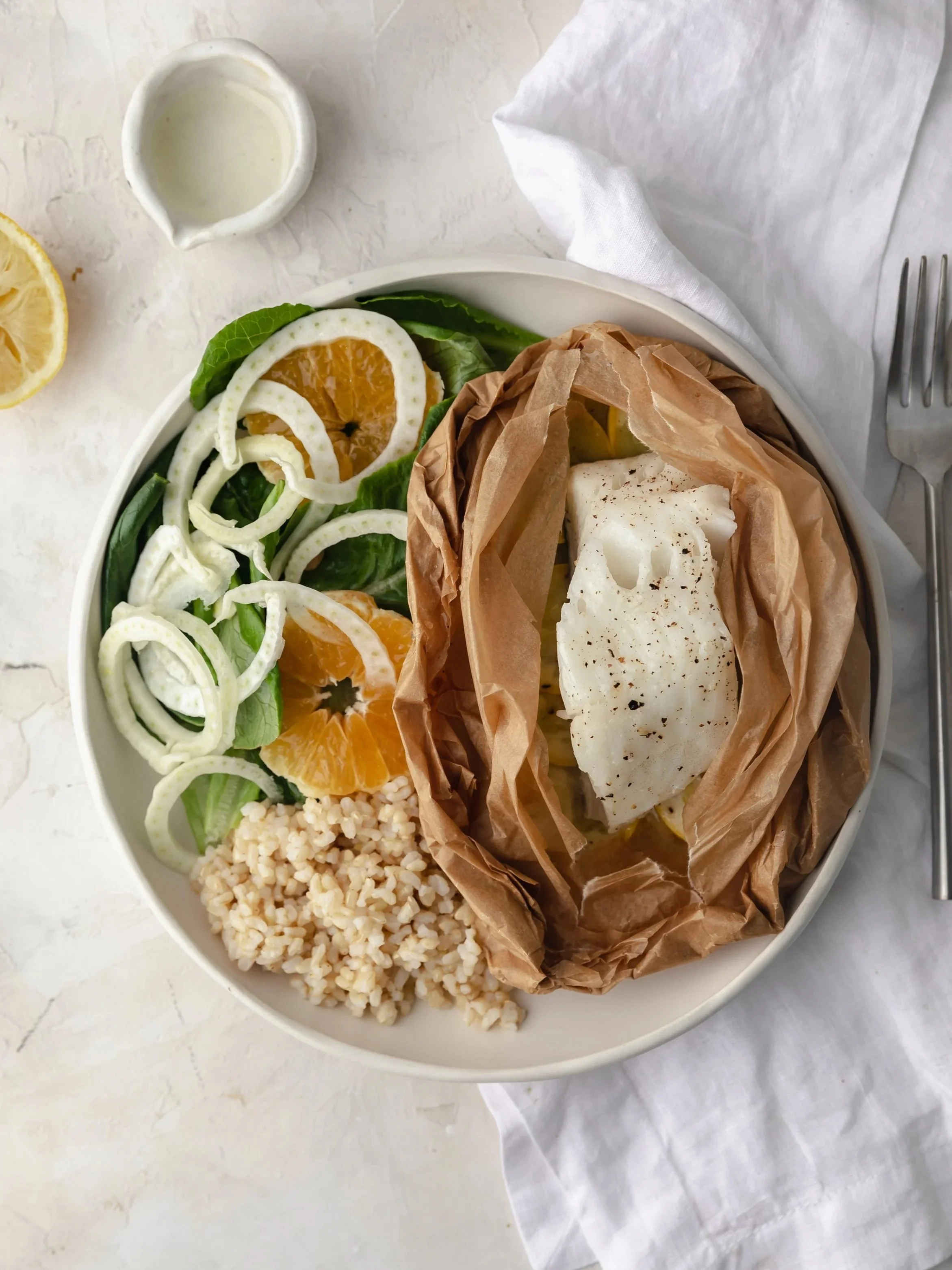
Oats, quinoa, barley, farro, brown rice, and whole-grain breads provide carbohydrates for energy.
They also provide fiber, protein, vitamins, and minerals. Fiber can be especially helpful if constipation is an issue while taking a GLP-1 (1). Try about ½ cup of cooked grains or a slice of whole-grain bread with a meal. Top oatmeal with berries and nuts for breakfast, or pair quinoa or brown rice with protein and vegetables.
3. Chicken breast

Chicken breast is an easy way to pack plenty of lean protein into a smaller meal — especially helpful when your appetite isn't what it used to be.
A typical serving is about 3–4 ounces. Shred it into soup, add it to a whole-grain wrap, or pair it with a small potato and vegetables.
4. Eggs
Eggs are compact, portable, and packed with high-quality protein.
They're also a good source of choline and vitamin B12. One to two eggs can be a manageable serving when your appetite is smaller. Keep hard-boiled eggs in the refrigerator for an easy snack, scramble them with vegetables, or add an egg to avocado toast.
5. Cooked vegetables
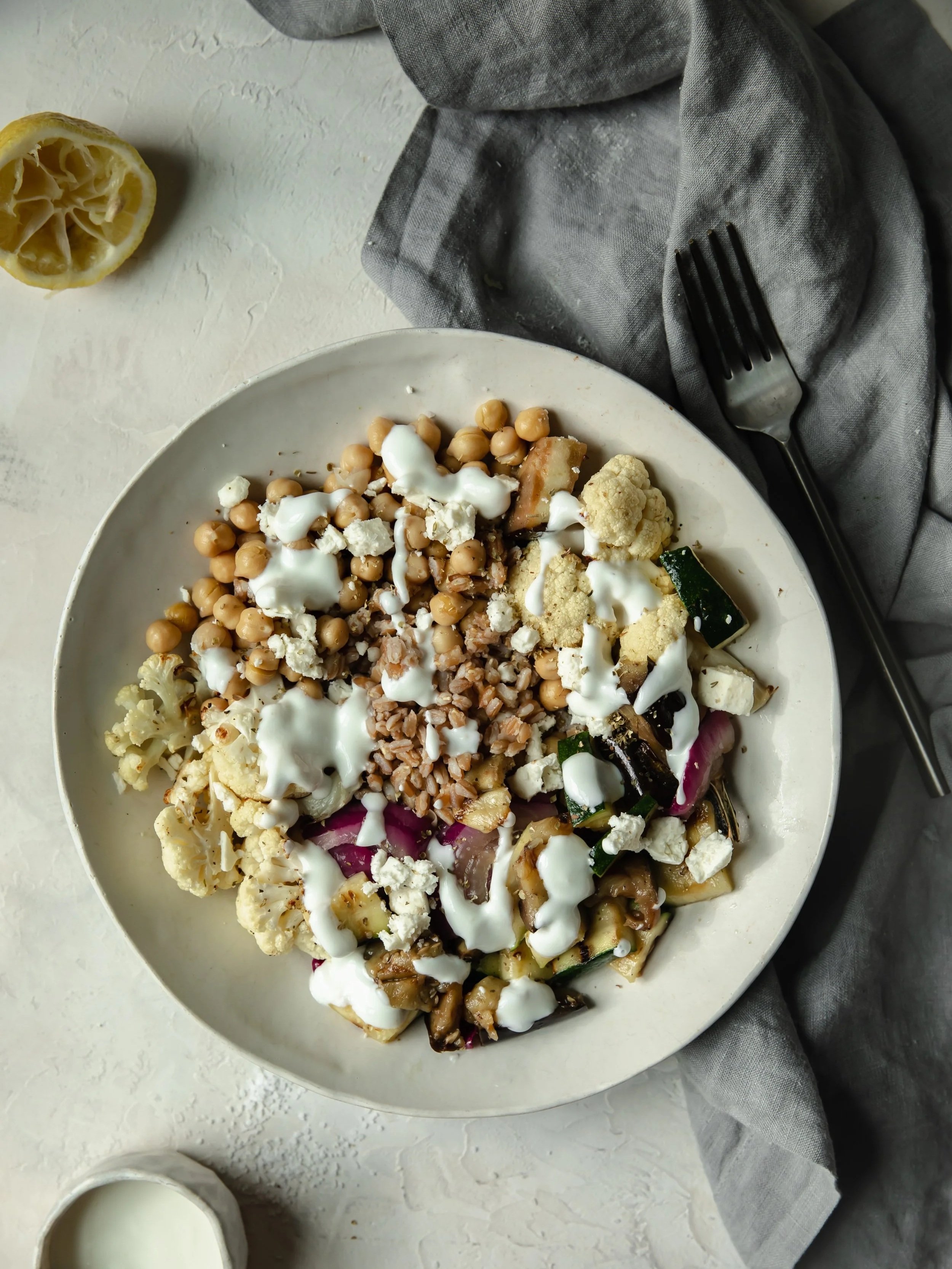
Vegetables provide fiber, vitamins, minerals, and beneficial plant compounds.
Aim to enjoy a variety often, and cooking them may make them easier to eat when a big raw salad doesn't sound appealing. Try ½–1 cup of nutrient-rich choices like broccoli, Brussels sprouts, artichokes, carrots, or winter squash. Roast a batch for the week, stir them into soup, or simply serve them alongside chicken or fish.
6. Salmon
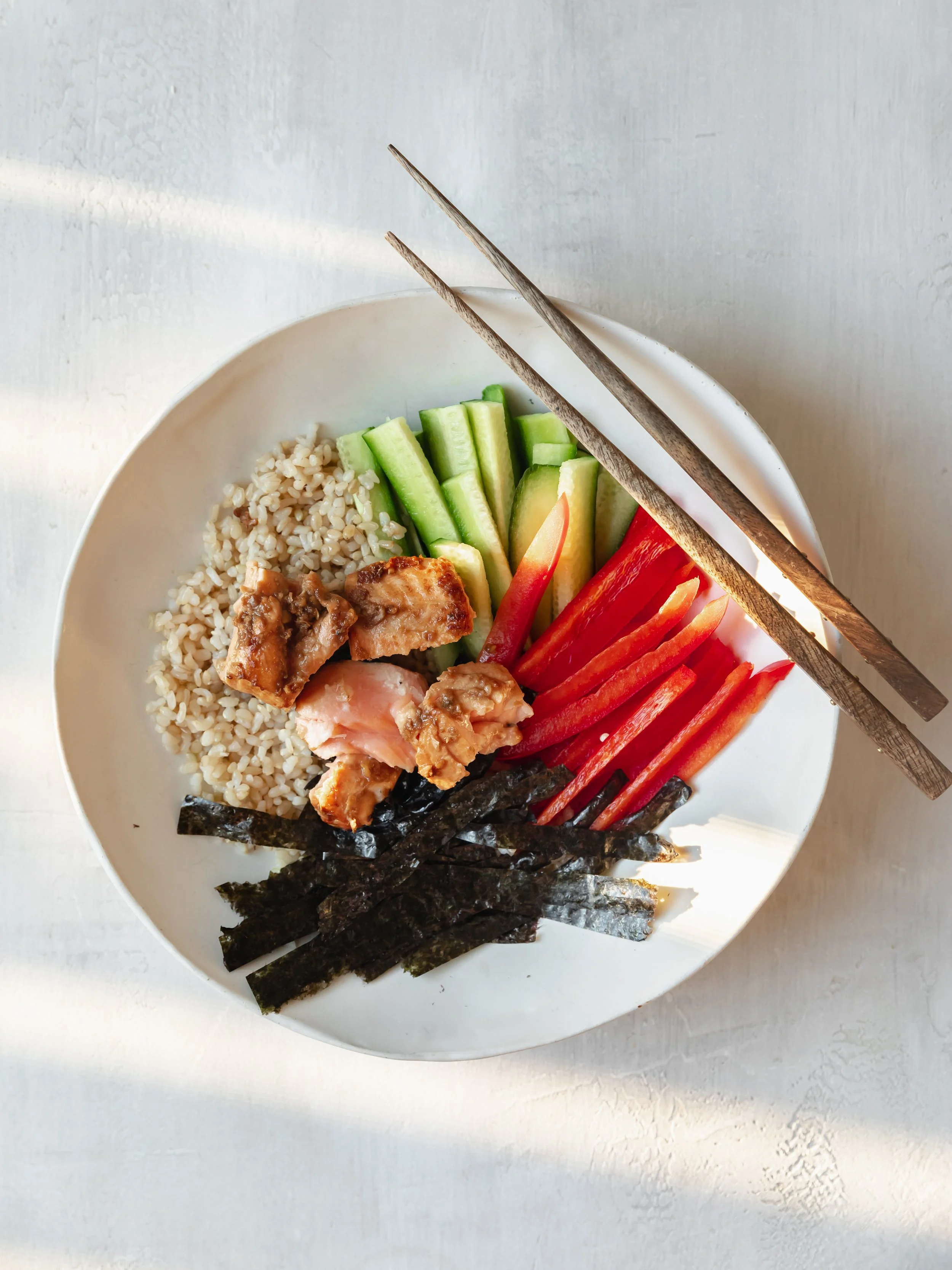
Salmon gives you a lot in a small package.
High-quality protein plus omega-3 fatty acids, vitamin D, and vitamin B12. A typical serving is about 4 ounces. Bake it with lemon and herbs, add leftover salmon to a salad or grain bowl, or use canned salmon to make an easy salmon dip.
7. Beans and lentils
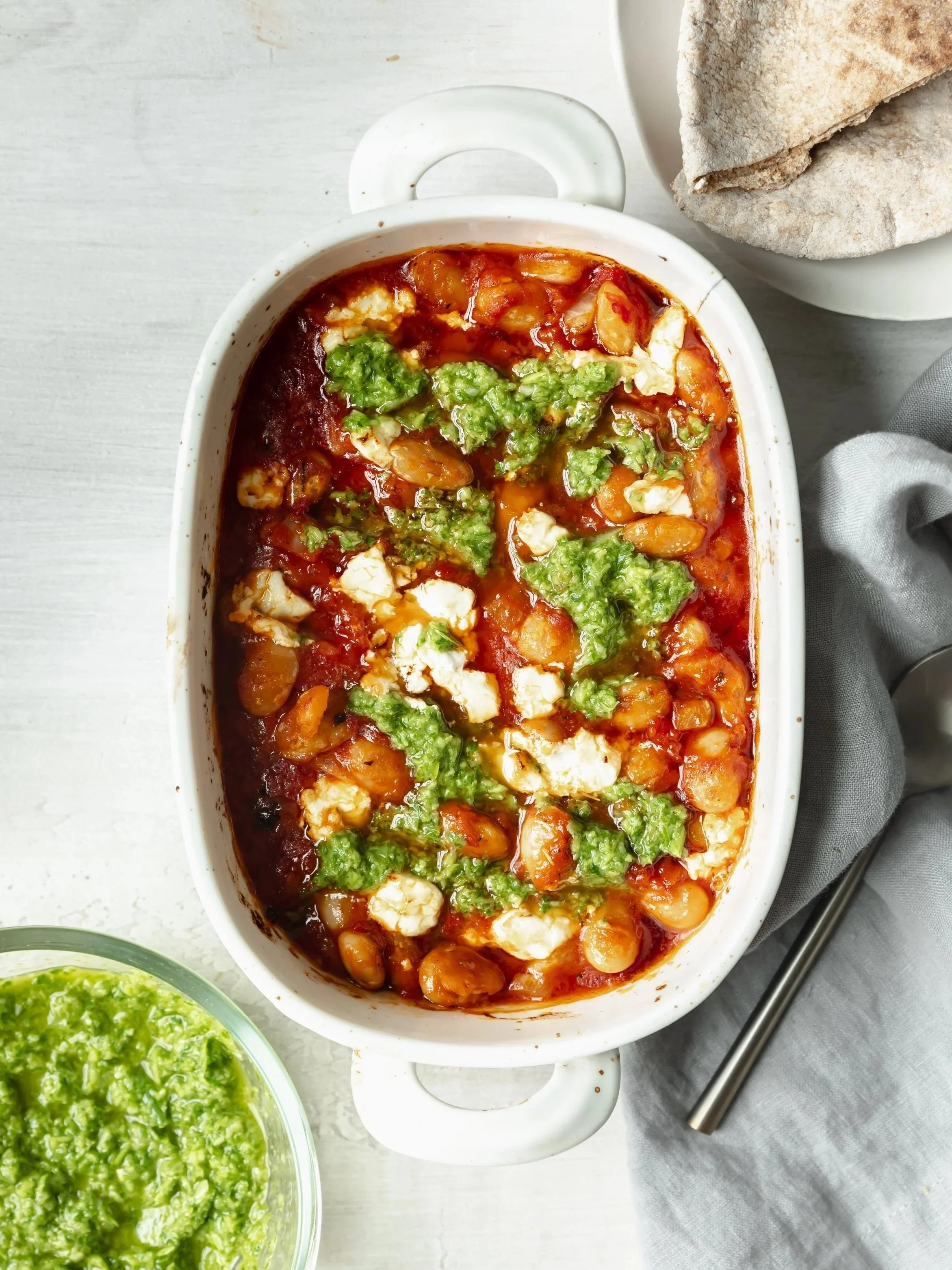
Beans and lentils are a great three-for-one: plant-based protein, carbohydrates, and fiber.
They also provide iron, folate, potassium, and other nutrients. About ½ cup cooked is a good place to start. Add lentils to soup, toss chickpeas into a salad, or use black beans in tacos or grain bowls. If you don't normally eat much fiber, increase beans and lentils gradually and drink plenty of fluids to give your digestive system time to adjust.
8. Nuts, seeds, and nut butters
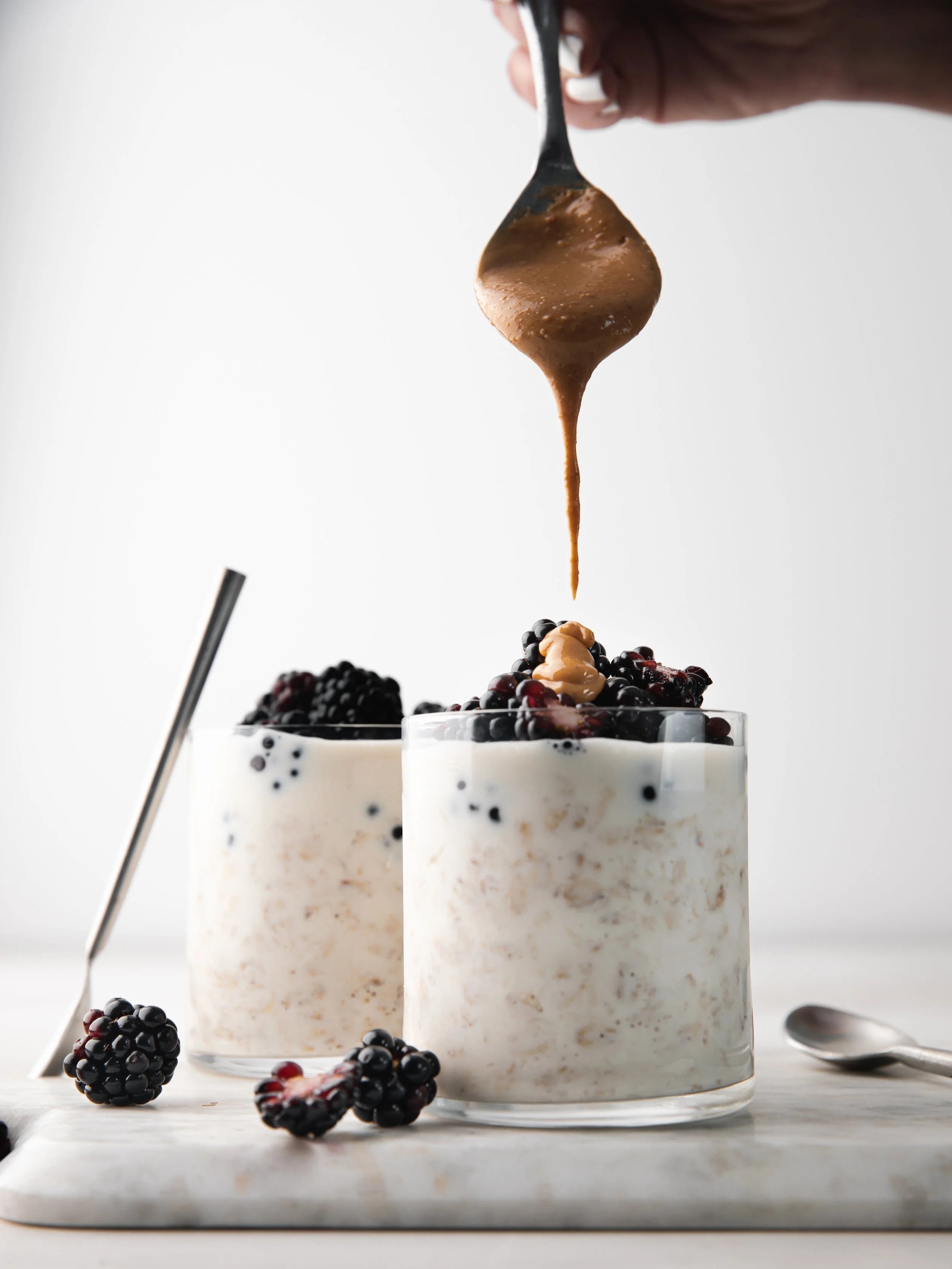
When you don't feel like eating very much, nuts and seeds pack plenty of nutrition into a small serving.
They provide healthy fats, protein, fiber, vitamins, and minerals. Try about 2 Tbsp of nuts or seeds, or 1 tablespoon of nut butter. Sprinkle walnuts or chia seeds over oatmeal or yogurt, add pumpkin seeds to a salad, or pair apple slices with peanut or almond butter.
9. Polyphenol-rich extra virgin olive oil
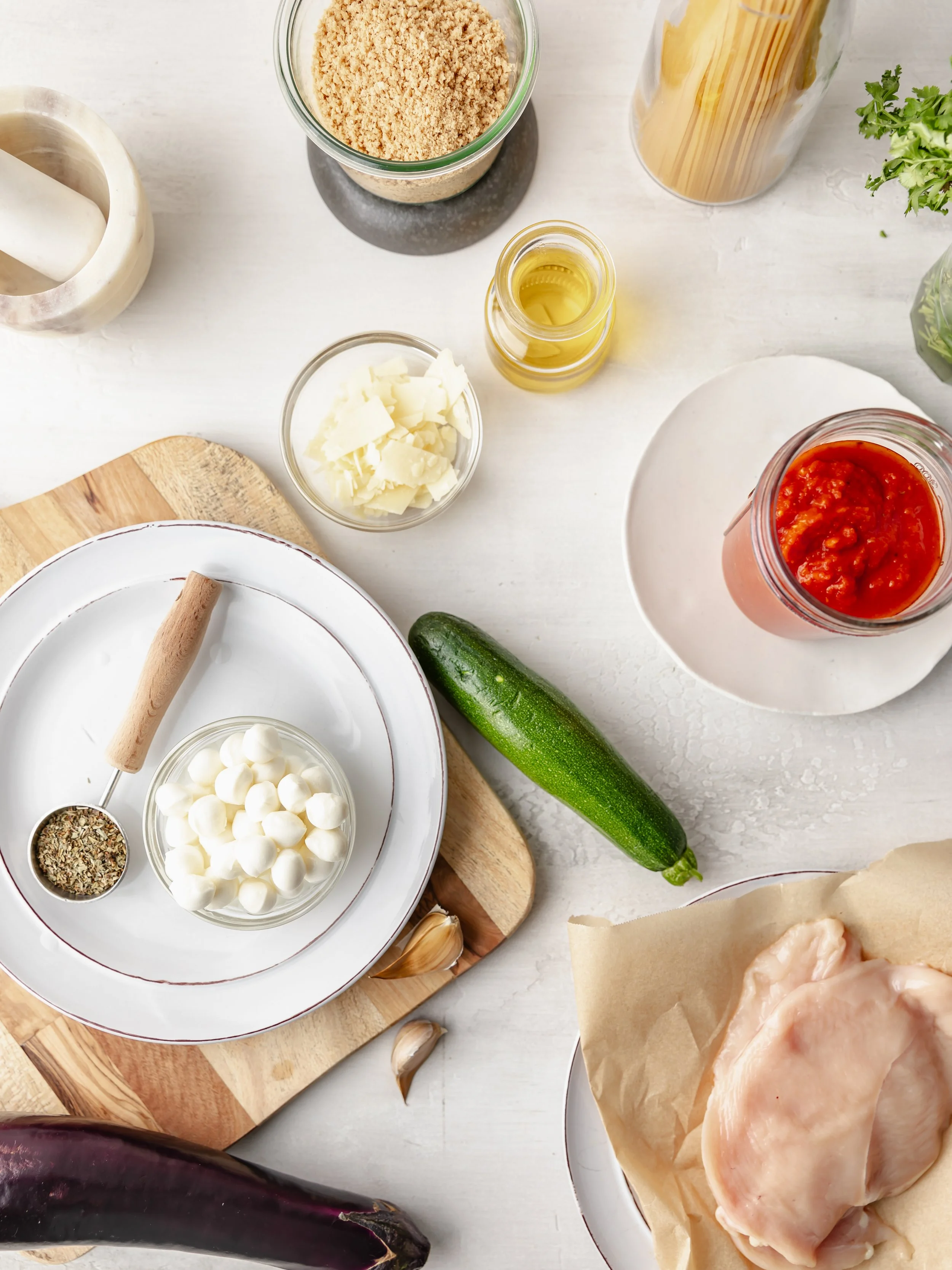
Extra virgin olive oil is rich in heart-healthy monounsaturated fat and polyphenols, naturally occurring plant compounds with antioxidant properties.
A little goes a long way — about 1 tsp is a typical serving. Drizzle it over cooked vegetables, whisk it into a salad dressing, or combine it with lemon and herbs for a simple sauce.
10. High-fiber and polyphenol-rich fruit
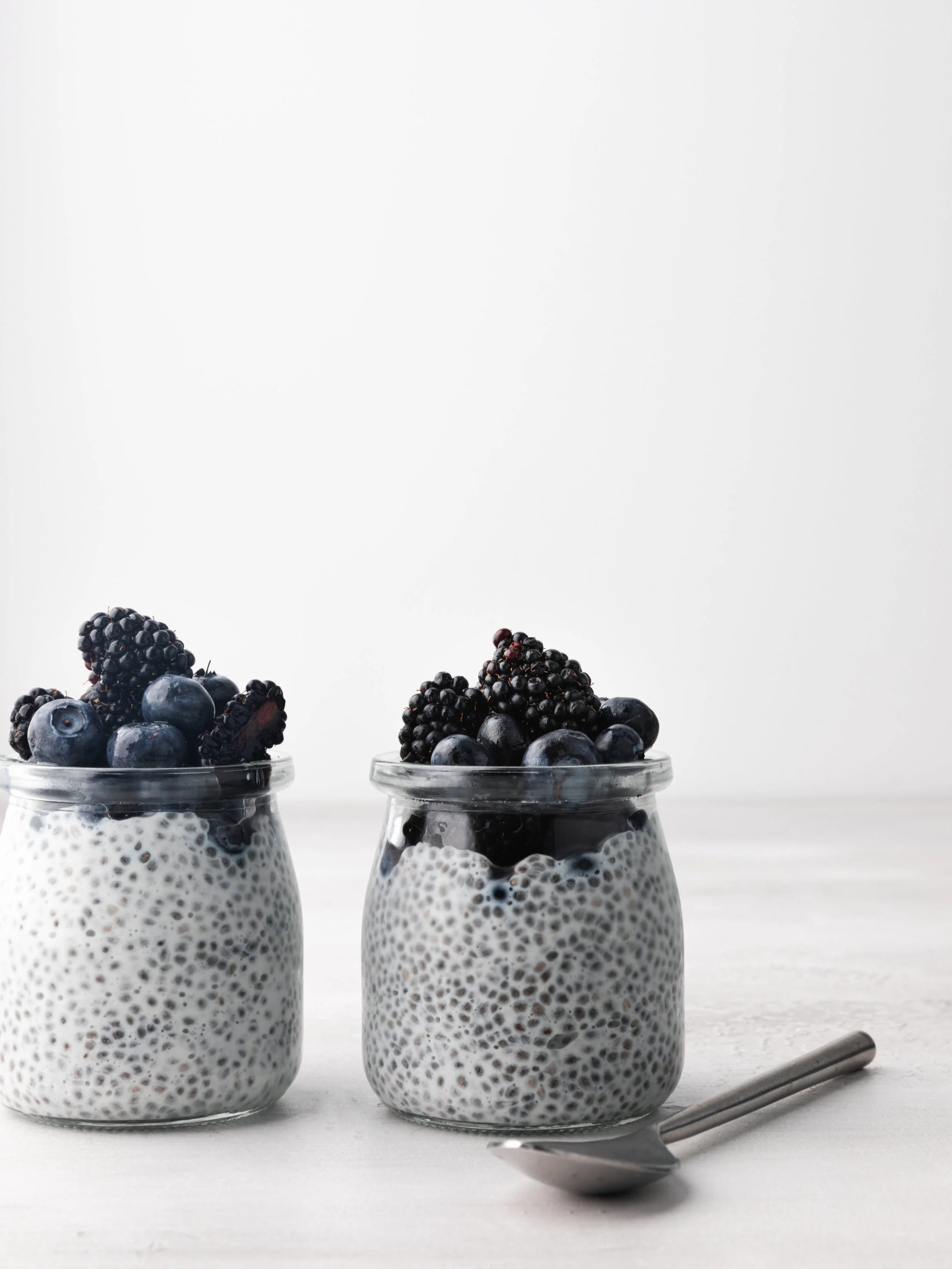
Fruit provides carbohydrates for energy plus fiber, vitamins, minerals, and beneficial plant compounds.
Berries are especially rich in polyphenols, while raspberries, pears, and apples are easy ways to add more fiber. Try about 1 cup of berries or one small apple or pear. Pair fruit with high-protein yogurt, cottage cheese, nuts, or nut butter to add protein and make it a more satisfying snack or small meal.
The bottom line: keep it simple
You don't need to eat all 10 foods every day. Use them as building blocks for meals that provide protein, fiber, healthy fats, and plenty of nutrients in portions you can comfortably eat. And remember that tolerance matters. A food can be nutritious and still not sound good on a day when you're dealing with nausea, constipation, or early fullness. Try adjusting the portion or preparation before crossing it off your list (1). The best GLP-1 foods don't need to be complicated. Choose foods you enjoy, that feel good to eat, and that give your body plenty of nutrition even when you're eating less.
Written by Rachel Burge, MS, ACSM-CPT

Rachel is a dietetic intern at San Francisco State University and has a background in nutrition, journalism, and as a personal trainer. She believes that food and exercise are medicine and the key to a healthier and more enjoyable lifestyle. In her free time, she enjoys gardening, running, yoga, and travel.

This post was reviewed by Kelly Powers, MA, RDN. Kelly is a Registered Dietitian and Culinary Nutritionist who takes a holistic approach to nutrition and health. Kelly specializes in GLP-1 nutrition, the Mediterranean diet, women’s health, family nutrition, meal planning, and sustainable behavior change, helping her clients reach their health goals while improving their relationship with food. She’s also a nutrition consultant for health and tech startups, food companies, and brands she believes in. You can schedule a free consultation for 1:1 nutrition coaching with Kelly here.