
glp-1 side effects: how glp-1 nutrition support can help
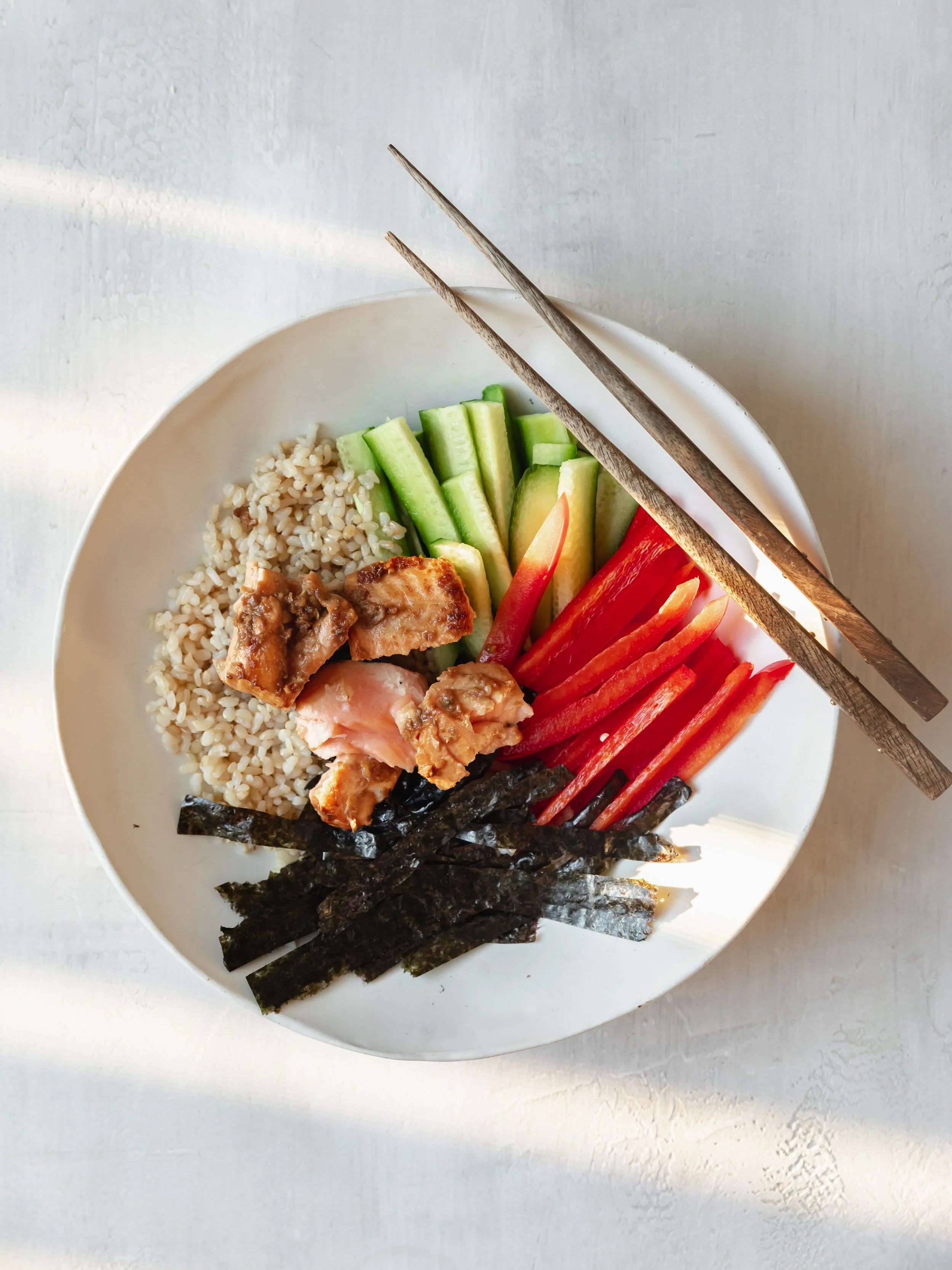
GLP-1 nutrition support can make a meaningful difference when nausea, constipation, fatigue, or reduced appetite make it hard to eat well while taking a GLP-1 medication. While these side effects are often most noticeable when starting medication or increasing the dose, simple changes to meal size, food choices, hydration, and eating patterns can help make treatment more comfortable.
Nutrition can't eliminate every medication side effect, but it can help you stay nourished, hydrated, and better equipped to tolerate treatment while working toward your health goals.
What are the most common glp-1 side effects?
Nausea, vomiting, diarrhea, constipation, abdominal discomfort, and fatigue are among the commonly reported side effects of GLP-1–based medications. For example, the current Wegovy prescribing information lists nausea, constipation, and fatigue among its common adverse reactions, while Zepbound lists nausea, constipation, and fatigue among reactions reported in at least 5% of patients.
GLP-1 medications affect appetite and digestion and can delay gastric emptying. This can help people feel satisfied with less food, but it can also change what, when, and how much feels comfortable to eat.
Why does nausea happen on glp-1 medications?
Nausea is one of the most frequently reported side effects, particularly during the early stages of treatment and dose escalation. In adult Wegovy weight-loss trials, nausea was reported by 44% of participants receiving the medication compared with 16% receiving placebo (1).
When nausea is present, large or heavy meals can feel especially uncomfortable. Nutrition strategies that may help include:
Eating smaller meals rather than trying to finish a typical portion
Eating slowly and stopping at the first signs of comfortable fullness
Choosing simple, lower-fat foods when nausea is strongest
Avoiding large amounts of fried, greasy, or very rich foods
Sipping fluids regularly instead of drinking large amounts with meals
Keeping easy-to-tolerate foods available so you don't go all day without eating
Expert nutrition guidance for GLP-1 therapy similarly recommends smaller meals and temporarily limiting high-fat foods when gastrointestinal symptoms are most noticeable.
Why is constipation common?
Constipation can develop because GLP-1 medications affect gastrointestinal motility. At the same time, people may unintentionally drink less fluid and eat less food — and therefore less fiber — because their appetite has decreased.
Helpful nutrition strategies often include gradually increasing:
Fluids: Sip water consistently throughout the day.
Fiber: Include foods such as oats, berries, beans, lentils, chia seeds, whole grains, fruits, and vegetables as tolerated.
Food volume: Eating very little can mean less movement through the digestive tract.
Movement: Regular physical activity can complement nutrition strategies for bowel regularity.
Increasing fiber too aggressively isn't always better. If you're already feeling very full or bloated, adding large amounts of raw vegetables or fiber supplements at once can worsen discomfort. A gradual, individualized approach is usually more comfortable.
Why can glp-1 medications cause fatigue?
Fatigue is also reported with some GLP-1 medications. In Wegovy trials, fatigue occurred in 11% of adults receiving the medication compared with 5% receiving placebo (2); Zepbound trials reported fatigue in approximately 5% to 7% of participants depending on dose (3).
However, fatigue isn't always caused by the medication itself. Very low calorie intake, dehydration, inadequate carbohydrate or protein intake, poor sleep, and other medical factors can contribute.
When appetite is low, focus on getting more nutrition from smaller quantities of food. Pairing protein with a carbohydrate — such as Greek yogurt with fruit, eggs with toast, or a smoothie with milk or soy milk and fruit — can make eating enough feel more manageable.
When do glp-1 side effects usually improve?
Many gastrointestinal symptoms are most noticeable when treatment begins or when the medication dose increases. Zepbound's prescribing information notes that most nausea, vomiting, and diarrhea events occurred during dose escalation and decreased over time. Wegovy's prescribing information similarly reports gastrointestinal reactions most frequently during dosage escalation.
Research on semaglutide also suggests that nausea and vomiting tend to be temporary for many people. In pooled STEP 1–3 data, individual nausea episodes had a median duration of about eight days, while constipation lasted longer, with a median duration of 47 days (4). These numbers describe a clinical trial population and should not be interpreted as an exact timeline for every person.
Your experience may also change after each dose increase. That is one reason GLP-1 medications are generally increased gradually rather than starting at a full maintenance dose. The FDA-approved Wegovy and Zepbound dosing schedules specifically use gradual dose escalation to reduce gastrointestinal adverse reactions.
If symptoms are severe, getting worse, or aren't improving, don't assume you need to tolerate them. Talk with your prescribing healthcare provider before changing your dose or stopping medication.

Where does glp-1 nutrition support make the biggest difference?
Good GLP-1 nutrition support isn't about creating a restrictive "GLP-1 diet." It's about adapting nutrition to your changing appetite while still meeting your body's needs.
Three areas tend to deserve the most attention.
1. Adjusting meal size before eliminating foods
A common mistake is cutting out more and more foods when nausea or fullness develops. Often, the portion — not the food itself — is the bigger issue.
Try starting with a smaller serving, eating slowly, and waiting before deciding whether you want more. Smaller, more frequent meals are commonly recommended for managing GLP-1 gastrointestinal symptoms.
2. Protecting hydration and bowel regularity
Nausea, vomiting, diarrhea, and reduced fluid intake can contribute to dehydration. FDA prescribing information specifically warns that gastrointestinal symptoms associated with GLP-1 medications can lead to volume depletion and kidney problems (2, 3).
Keep fluids visible and accessible throughout the day. For constipation, pair adequate hydration with gradually increased fiber rather than dramatically increasing fiber without enough fluid.
3. Making every bite count when appetite is low
Reduced appetite can make it difficult to get enough protein, carbohydrates, essential fats, vitamins, and minerals. Instead of filling up first on foods with little nutritional value, build meals around nutrient-dense foods you tolerate well.
A simple approach is to include:
A protein source such as fish, chicken, eggs, Greek yogurt, cottage cheese, tofu, or beans
A carbohydrate such as fruit, oats, potatoes, rice, or whole-grain bread
Produce that feels comfortable, including cooked vegetables if raw foods feel too bulky
Healthy fats such as olive oil, avocado, nuts, or seeds in portions you tolerate
The goal is not to force large meals. It is to make smaller meals work harder nutritionally.
When should you contact your healthcare provider?
Mild digestive symptoms are common, but severe or persistent symptoms deserve medical attention.
Contact your healthcare provider if you're having ongoing nausea, vomiting, diarrhea, constipation, or other symptoms that are making it difficult to eat or drink adequately. Seek prompt medical care for severe or persistent abdominal pain, particularly pain that may radiate toward the back, or for symptoms of a serious allergic reaction.
People taking diabetes medications such as insulin or sulfonylureas should also discuss symptoms of low blood sugar with their medical team, because the risk of hypoglycemia can be higher when certain medications are combined.
Frequently asked questions about glp-1 side effects
-
For many people, gastrointestinal side effects become less noticeable as the body adjusts to treatment. Symptoms are often most common at the beginning of treatment and after dose increases. Clinical trial and prescribing information for semaglutide and tirzepatide show that many gastrointestinal symptoms decrease over time, although constipation may persist longer than nausea or vomiting (2, 3).
-
Smaller portions of simple, lower-fat foods are often easier to tolerate. Foods such as toast, crackers, oatmeal, yogurt, rice, fruit, soup, eggs, or smoothies may work well depending on the individual. Eating slowly and avoiding very large, rich, or greasy meals may also reduce discomfort.
-
Start with consistent hydration and gradually increase fiber-rich foods as tolerated. Fruits, vegetables, beans, lentils, oats, whole grains, nuts, and seeds can contribute fiber, while regular movement may also support bowel function. If constipation is persistent or severe, speak with your healthcare provider rather than continually adding more fiber.
-
Fatigue is listed among the common adverse reactions for medications including Wegovy and Zepbound. However, persistent fatigue can also be related to inadequate calorie or nutrient intake, dehydration, low blood sugar, sleep issues, or other health conditions. If fatigue continues or interferes with daily life, discuss it with your healthcare team.
-
There isn't one required GLP-1 diet. Your nutrition plan should instead help you meet your protein, fiber, fluid, energy, and micronutrient needs while accommodating changes in appetite and gastrointestinal tolerance. Personalized support can be especially helpful when side effects make your previous eating routine difficult to maintain.
How personalized glp-1 nutrition support can help
GLP-1 medications can significantly change hunger, fullness, portion size, and digestion. The goal isn't simply to "eat less." It's to make sure you're still eating enough of the foods your body needs while managing symptoms in a way that feels realistic.
Personalized GLP-1 nutrition support can help you identify foods and meal patterns that work with your medication, manage nausea and constipation, maintain hydration, meet protein and nutrient needs, and build sustainable habits for long-term health.
If you're taking a GLP-1 and struggling with side effects or wondering whether you're getting enough nutrition, consider working with a registered dietitian who understands GLP-1 therapy. Schedule a nutrition consultation to create a personalized plan that supports both your medication and your overall health goals.
This article is for educational purposes and does not replace individualized medical advice from your prescribing healthcare provider.
Written by Francesca Monti

Francesca Monti, MA, RDN, is a registered dietitian who’s passionate about helping people develop a healthy and sustainable relationship with food. With a diverse professional background spanning private practice, hospitals, and sports nutrition, Francesca is well-equipped to guide clients with a wide range of nutritional needs, including managing diabetes, improving heart health, addressing digestive issues, and supporting overall wellness. Francesca specializes in the Mediterranean diet, GLP-1 nutrition, personalized nutrition plans, chronic disease management, general wellness, weight management, and sustainable behavior change. You can schedule a free consultation for 1:1 nutrition coaching with Francesca here.

This post was reviewed by Kelly Powers, MA, RDN. Kelly is a Registered Dietitian and Culinary Nutritionist who takes a holistic approach to nutrition and health. Kelly specializes in GLP-1 nutrition, the Mediterranean diet, women’s health, family nutrition, meal planning, and sustainable behavior change, helping her clients reach their health goals while improving their relationship with food. She’s also a nutrition consultant for health and tech startups, food companies, and brands she believes in. You can schedule a free consultation for 1:1 nutrition coaching with Kelly here.