
is the mediterranean diet the best glp-1 diet plan?
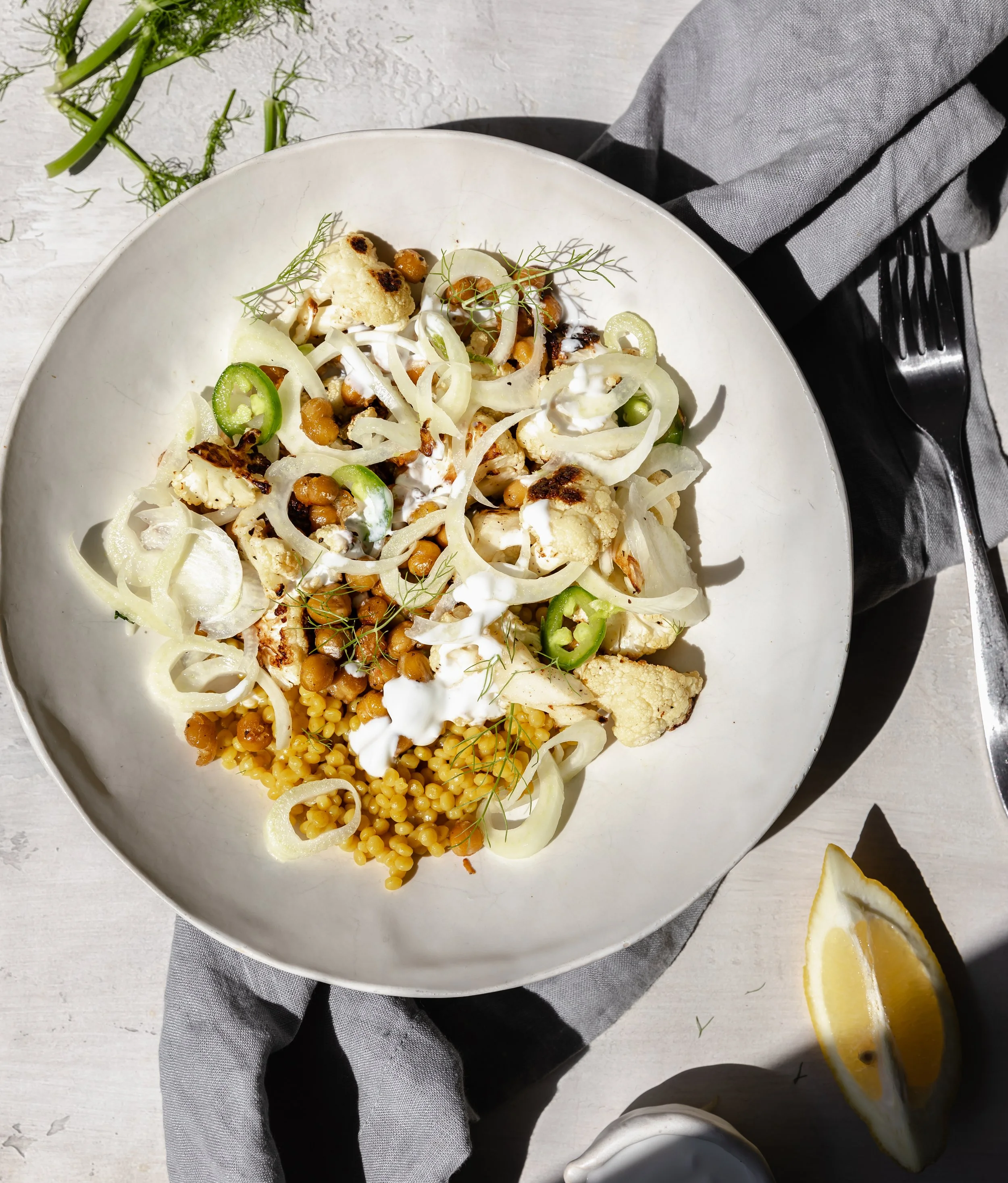
A Mediterranean-style GLP-1 diet plan can be an excellent eating pattern for people taking GLP-1 medications because it prioritizes nutrient-dense foods, protein, fiber, healthy fats, and minimally processed ingredients. However, no single “best” diet fits every GLP-1 user — the right approach should also account for appetite changes, digestive symptoms, nutritional needs, and personal preferences.
Current nutrition guidance for people using GLP-1 medications emphasizes overall diet quality, adequate protein, hydration, nutrient intake, and management of gastrointestinal side effects rather than prescribing one specific diet. The Mediterranean diet provides a flexible framework that can address many of these priorities.
What makes the mediterranean diet compatible with glp-1 medications?
GLP-1 medications can significantly reduce appetite and food intake. While this helps with weight loss, eating less also means fewer opportunities to meet your protein, vitamin, mineral, and fiber needs.
A Mediterranean approach focuses on making the foods you do eat count.
A balanced Mediterranean-style GLP-1 diet plan may include:
Fish, chicken, eggs, Greek yogurt, beans, and lentils for protein
Vegetables and fruit for fiber, vitamins, and minerals
Whole grains such as oats, quinoa, barley, and brown rice
Olive oil, avocado, nuts, and seeds for unsaturated fats
Herbs, spices, lemon, and other simple ingredients for flavor
Mostly minimally processed foods rather than highly processed snacks and meals
This eating style is also flexible. You don’t need to eat a large plate of food or follow rigid meal rules. Portions can be adjusted as appetite changes.
That flexibility matters on a GLP-1. Recent expert guidance emphasizes that reduced appetite, rapid weight loss, gastrointestinal symptoms, and reduced food intake can create nutritional challenges (1, 2). Maintaining diet quality and adequate protein becomes especially important when overall intake falls.
The takeaway: The Mediterranean diet works well as a framework because it prioritizes nutritional quality without requiring large meals or complicated food rules.
Why can a mediterranean glp-1 diet plan support gut comfort and digestion?
Digestive symptoms are among the most common challenges with GLP-1 medications. Nausea, constipation, diarrhea, vomiting, fullness, and changes in digestion may occur, particularly when starting treatment or increasing the dose.
GLP-1 medications also affect gastric emptying, meaning food may remain in the stomach longer. For some people, large, rich, or high-fat meals become harder to tolerate.
You can adapt the Mediterranean diet around these changes. Instead of thinking about Mediterranean eating as huge salads, bowls of beans, and generous pours of olive oil, think about choosing Mediterranean foods in forms and portions that feel comfortable.
For example:
Eat smaller meals rather than forcing yourself to finish large portions.
Choose cooked vegetables when raw vegetables feel too filling.
Include a modest portion of olive oil rather than a very high-fat meal.
Pair easily tolerated carbohydrates with protein, such as toast with eggs or rice with fish.
Gradually increase beans, lentils, whole grains, and other high-fiber foods.
Sip fluids regularly throughout the day rather than drinking a large amount at once.
Fiber deserves special attention. Fruits, vegetables, legumes, nuts, seeds, and whole grains make the Mediterranean diet naturally fiber-rich, which can help with bowel regularity. However, more fiber is not always better during active nausea, bloating, or significant fullness.
Research comparing a fiber-enriched Mediterranean diet with a Western-style diet found that the Mediterranean pattern increased some gastrointestinal sensations, including gas and bloating, illustrating why suddenly increasing fiber may be uncomfortable for some people (3). Research also suggests that the digestive system can adapt to higher fiber intake over time (4), and clinical guidelines commonly recommend increasing fiber gradually when tolerance is an issue (5).
Evidence on whether the Mediterranean diet consistently changes the gut microbiome is also mixed, so it is better to focus on its practical nutritional benefits rather than claim it automatically “heals the gut.”
The takeaway: Mediterranean eating can support digestion, but it should be personalized. During GLP-1 treatment, gradual changes are often more comfortable than jumping into a very high-fiber diet right away.
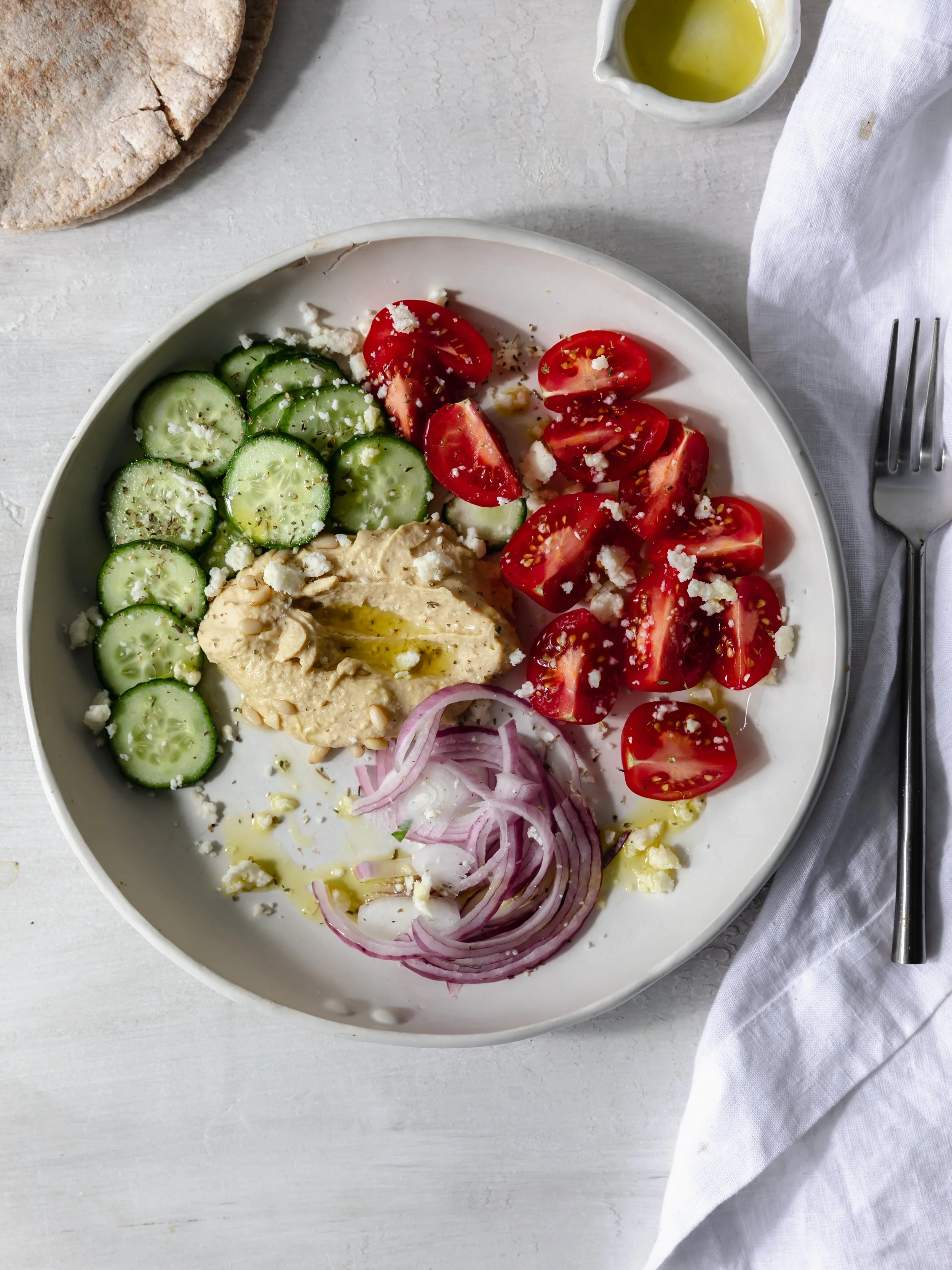
When should someone transition into this style of eating?
You don't necessarily need to wait until you've been taking a GLP-1 for several months to begin eating Mediterranean-style foods. For many people, it makes sense to begin building these habits before starting medication or around the same time treatment begins.
The key is how quickly you transition.
When starting a glp-1
If you are tolerating your medication well, begin with simple Mediterranean basics:
Include a protein source at meals.
Add one or two servings of produce you tolerate well.
Choose whole grains when comfortable.
Use olive oil, nuts, seeds, and avocado in moderate portions.
Drink fluids consistently throughout the day.
Starting with these foundations can make the diet feel realistic rather than turning it into another restrictive plan.
During nausea or other digestive side effects
This is not usually the time to force large salads, lots of beans, or very fibrous meals simply because they are “healthy.”
Prioritize tolerance first. Smaller portions, bland or simple foods, adequate hydration, and foods that are easier for you to digest may temporarily work better. Dietary strategies are considered an important part of managing GLP-1-related gastrointestinal side effects.
Once symptoms improve, gradually add more vegetables, legumes, whole grains, nuts, seeds, and other Mediterranean staples.
Once your appetite and medication dose are more stable
This can be a good opportunity to broaden your food variety and establish a sustainable long-term eating pattern.
Rather than thinking, “What should I eat while I'm on this medication?” Consider asking, “What way of eating would I like to maintain for years?”
That is one reason the Mediterranean diet fits so well. It isn't simply a weight-loss diet. It offers a flexible pattern that can evolve as appetite, medication doses, activity, and health goals change.
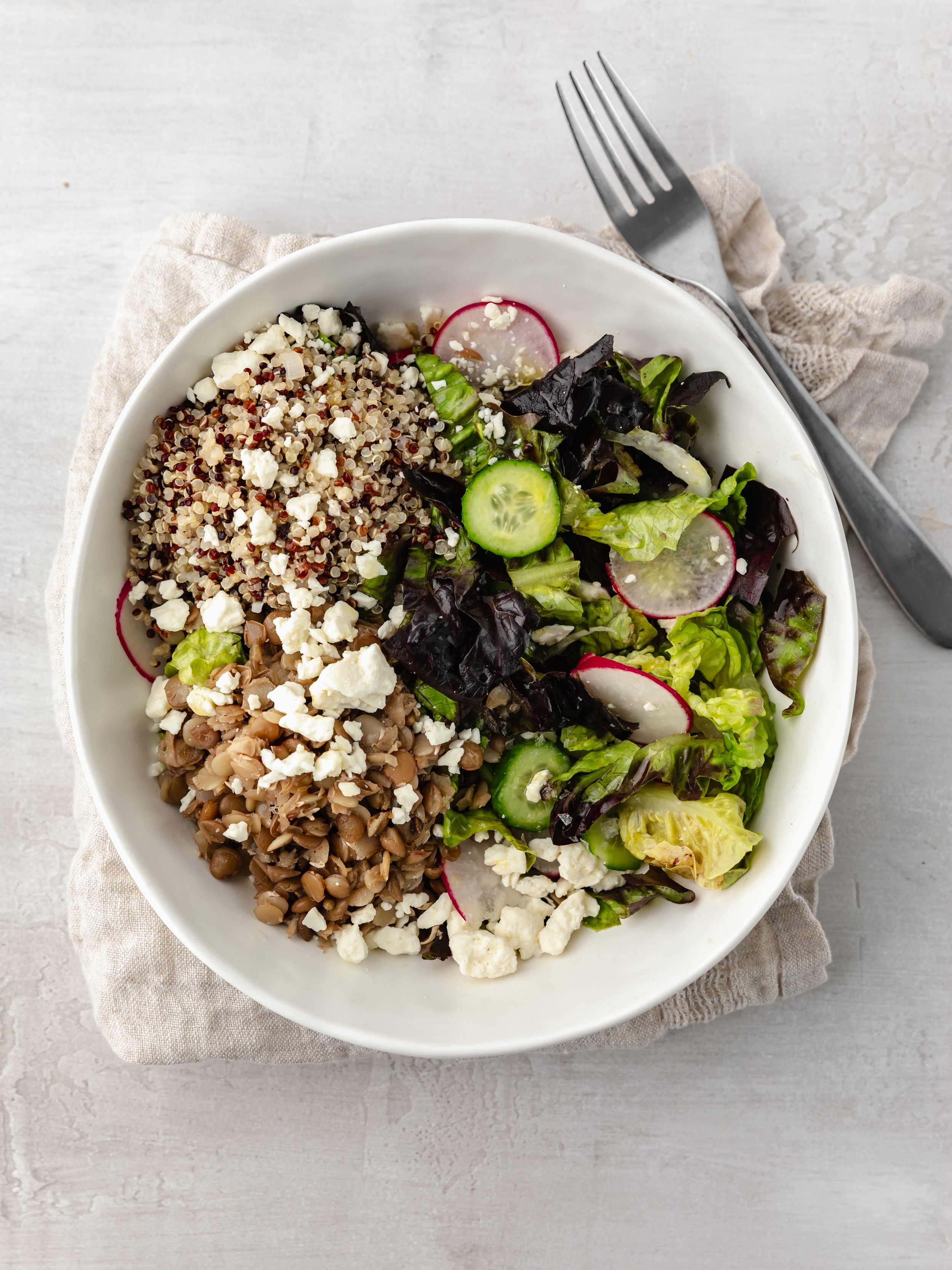
Is the mediterranean diet actually the best diet for glp-1 users?
There currently isn't enough direct evidence to say the Mediterranean diet is definitively better than every other eating pattern for people taking GLP-1 medications.
Recent reviews note that direct trials testing structured dietary interventions specifically in GLP-1 and dual-incretin users remain limited (6). That means claims that one specific diet is scientifically proven to be “the best GLP-1 diet” should be treated cautiously.
Instead, a strong GLP-1 diet plan should help someone:
Meet protein needs despite a reduced appetite
Consume enough vitamins and minerals
Manage digestive side effects
Maintain adequate hydration
Get enough fiber without worsening symptoms
Preserve muscle alongside appropriate resistance exercise
Develop eating habits that remain practical over time
Current expert guidance similarly highlights diet quality, protein intake, gastrointestinal symptom management, micronutrient risk, and preservation of fat-free mass as important considerations during incretin therapy (1).
The Mediterranean pattern can accomplish these goals exceptionally well — but it still needs to be individualized.
Frequently asked questions about a mediterranean glp-1 diet plan
-
For many people, yes. A Mediterranean-style eating pattern can provide protein, fiber, healthy fats, and nutrient-dense foods while taking GLP-1 or dual-incretin medications. Portion sizes and food choices may need to be modified if you experience nausea, constipation, reflux, or prolonged fullness. Discuss significant dietary changes and persistent symptoms with your healthcare team.
-
Tolerance varies, but smaller portions of foods such as Greek yogurt, eggs, fish, chicken, oatmeal, rice, soups, cooked vegetables, soft fruit, or toast may be easier during periods of decreased appetite. Higher-fat and very high-fiber meals may need to be reduced temporarily if they worsen nausea or fullness.
-
Fiber can support bowel regularity and overall diet quality, but it should generally be increased gradually. Suddenly adding large amounts of beans, bran, raw vegetables, or other high-fiber foods may increase bloating or discomfort for some people. Hydration is also important when increasing fiber intake.
-
Both matter, but protein deserves special attention because reduced food intake and substantial weight loss can make maintaining lean mass more challenging. Expert guidance recommends considering adequate protein intake along with resistance exercise to support preservation of fat-free mass and physical function (2).
-
Not everyone needs a rigid meal plan. However, a personalized structure can be useful if your appetite has changed significantly, you are struggling to meet protein needs, you have persistent digestive symptoms, or you are unsure how to build nutritionally balanced meals from smaller portions.
Building a sustainable glp-1 diet plan
The Mediterranean diet may be one of the most practical eating patterns to pair with GLP-1 medications because it emphasizes nutrient-rich whole foods while remaining flexible enough to adapt to smaller appetites and changing digestion.
The goal isn't to follow the Mediterranean diet perfectly. Focus on protein, hydration, produce, whole-food carbohydrates, and moderate amounts of healthy fats, then adjust portions and fiber according to what your body tolerates.
Most importantly, your GLP-1 diet plan should support more than weight loss. It should help you stay nourished, preserve muscle, manage side effects, enjoy food, and develop habits you can realistically maintain.
If you're taking a GLP-1 and aren't sure what or how much to eat, working with a registered dietitian can help you build a personalized nutrition plan around your medication, symptoms, lifestyle, and long-term health goals.
Written by Francesca Monti

Francesca Monti, MA, RDN, is a registered dietitian who’s passionate about helping people develop a healthy and sustainable relationship with food. With a diverse professional background spanning private practice, hospitals, and sports nutrition, Francesca is well-equipped to guide clients with a wide range of nutritional needs, including managing diabetes, improving heart health, addressing digestive issues, and supporting overall wellness. Francesca specializes in the Mediterranean diet, GLP-1 nutrition, personalized nutrition plans, chronic disease management, general wellness, weight management, and sustainable behavior change. You can schedule a free consultation for 1:1 nutrition coaching with Francesca here.

This post was reviewed by Kelly Powers, MA, RDN. Kelly is a Registered Dietitian and Culinary Nutritionist who takes a holistic approach to nutrition and health. Kelly specializes in GLP-1 nutrition, the Mediterranean diet, women’s health, family nutrition, meal planning, and sustainable behavior change, helping her clients reach their health goals while improving their relationship with food. She’s also a nutrition consultant for health and tech startups, food companies, and brands she believes in. You can schedule a free consultation for 1:1 nutrition coaching with Kelly here.