
exercise and glp-1 medications: why strength training matters during weight loss
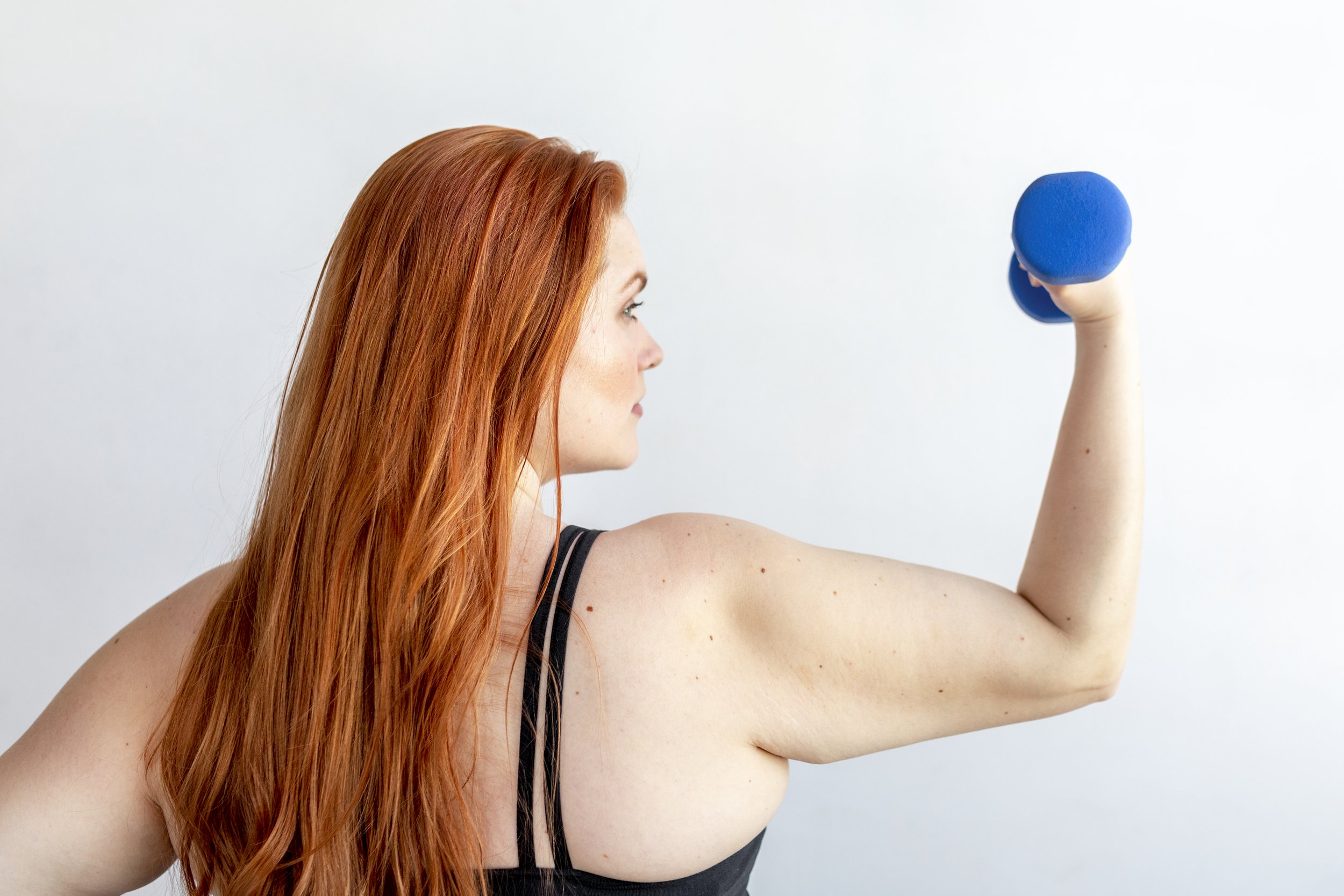
When you're taking a GLP-1 medication, exercise deserves more attention — especially strength training. Weight loss doesn't come entirely from body fat. Some lean tissue, including muscle, can also be lost as body weight decreases. That's why the goal of GLP-1 treatment shouldn't only be to reduce the number on the scale. Maintaining strength and muscle while losing weight matters too (1). Fortunately, you don't need to join a gym or follow a complicated workout plan. The 2026 American College of Sports Medicine’s (ACSM) resistance training guidelines emphasize a surprisingly simple message: consistency matters more than complexity (2).
Since GLP-1 medications can produce substantial weight loss, preserving both muscle and bone is important. Nutrition helps, but consuming adequate protein alone isn't enough. Experts recommend combining adequate nutrition with structured resistance exercise to help preserve muscle during weight loss (1).
Strength training also supports bone health. Weight loss can be accompanied by some loss of bone mass, and research suggests that combining exercise with GLP-1 therapy may help preserve bone mineral density (3). Resistance and weight-bearing exercise can also help maintain bone strength and reduce risk factors associated with osteoporosis and fractures (4).
How much strength training do you actually need?
The latest ACSM guidelines recommend training all major muscle groups at least twice per week (2).
That can include your:
Legs and hips
Back
Chest
Shoulders
Arms
Core
Full-body workouts work, and you don't need a complicated routine. ACSM found that even a small amount of consistent resistance training can make a meaningful difference (2). For someone new to strength training, that might mean two workouts each week. Resistance training that includes squats or sit-to-stands, lunges, rows, push-ups or presses, step-ups, and planks can cover multiple muscle groups without requiring dozens of exercises. If support is needed, start with chair workouts or utilize the wall. As you get stronger, gradually increase the resistance so your muscles continue to adapt.
Do you need heavy weights or a gym?
Nope. One of the most practical findings from the 2026 ACSM guidelines is that many different types of resistance training work (2).
You can use:
Dumbbells or barbells
Weight machines
Resistance bands
Body-weight exercises (where your body is the resistance)
A combination of these
And you don't need to train until you are exhausted or can't complete another repetition. ACSM found that training to complete muscle failure isn't necessary for the average healthy adult to make progress (2).
If you prefer to work out at the gym, stick with it. Home-based resistance training can also be effective (2). The best choice is the one that fits your experience, schedule, and preferences well enough that you'll actually keep doing it.
What about walking and cardio?
Strength training shouldn't replace cardiovascular exercise. Ideally, the two work together. Aim for at least 150 minutes of moderate aerobic activity each week, such as brisk walking, cycling, swimming, or hiking (1, 5).
A simple weekly plan could be:
Monday: 30-minute resistance or weight training
Tuesday: 20-minute walk
Wednesday: 30-minute resistance or weight training
Thursday: Rest or light activity
Friday: 30-minute brisk walk
Saturday: 40-minute walk, hike, swim, or bike ride
Sunday: Rest or light activity
If that feels overwhelming, start where you are. Short 10-minute walks and other small bursts of activity add up, and you can gradually increase your time and intensity as your fitness improves. Build from where you are rather than waiting until you can follow the “perfect” exercise plan.
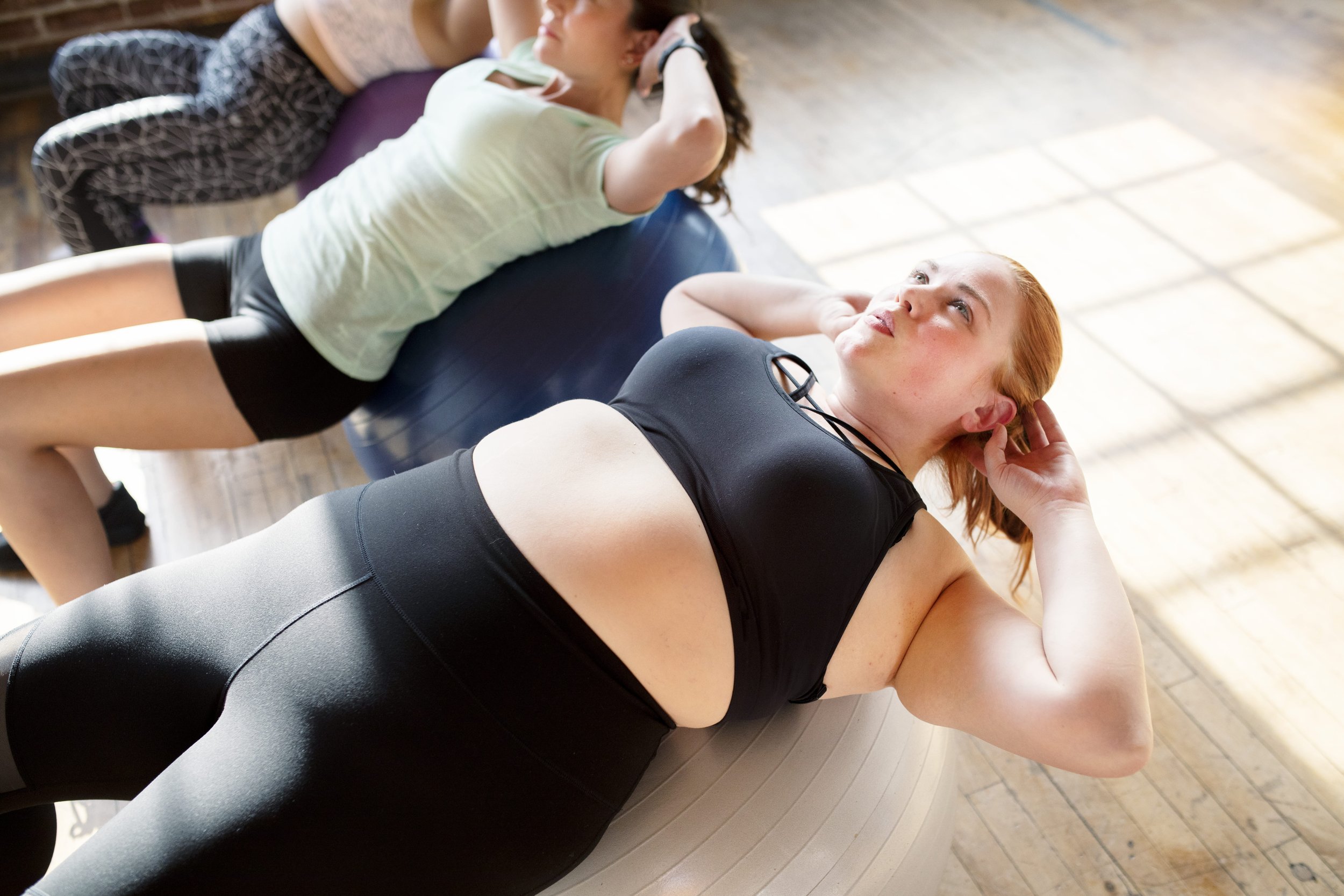
What if your energy is low on a glp-1?
Some days may feel easier than others, particularly if you're dealing with nausea, low appetite, or difficulty eating enough. This is where nutrition and exercise need to work together. Include protein-rich foods throughout the day, carbohydrates to fuel your workouts, sips of water to stay hydrated, and, most importantly, eat enough to support both your daily activities and your workouts. If you're experiencing persistent weakness, dizziness, dehydration, or a noticeable decline in strength, talk with your physician.
What does a sustainable exercise plan look like?
Just like nutrition, exercise doesn't need to be all-or-nothing. A realistic week might include two or more strength-training sessions, regular walks, and other activities you genuinely enjoy. Your plan can change as your fitness improves, your schedule changes, or to allow for a recovery week.
Most importantly, don't judge progress only by the scale. Pay attention to whether you're getting stronger, moving more easily, maintaining your energy, and doing things that used to feel difficult. GLP-1 medications can help with weight loss, but weight loss and health aren't the same thing. Preserving strength, staying active, and building long-term habits are important parts of the bigger picture. The best exercise plan isn't the most complicated one. It's the one you can keep doing.
Written by Rachel Burge, MS, ACSM-CPT

Rachel is a dietetic intern at San Francisco State University and has a background in nutrition, journalism, and as a personal trainer. She believes that food and exercise are medicine and the key to a healthier and more enjoyable lifestyle. In her free time, she enjoys gardening, running, yoga, and travel.

This post was reviewed by Kelly Powers, MA, RDN. Kelly is a Registered Dietitian and Culinary Nutritionist who takes a holistic approach to nutrition and health. Kelly specializes in GLP-1 nutrition, the Mediterranean diet, women’s health, family nutrition, meal planning, and sustainable behavior change, helping her clients reach their health goals while improving their relationship with food. She’s also a nutrition consultant for health and tech startups, food companies, and brands she believes in. You can schedule a free consultation for 1:1 nutrition coaching with Kelly here.