
the glp-1 weight loss diet: eating right while losing weight

GLP-1 weight loss can feel different from diets you’ve previously tried. You may feel less hungry, get full sooner, have fewer cravings, or find yourself thinking about food less often (1, 2). Though intake may decrease, it’s necessary to fuel your body and meet your needs.
Please remember: eating right while losing weight on a GLP-1 is crucial!
Though there isn’t a general GLP-1 weight loss program that works for everyone, a well-designed GLP-1 weight loss program should go beyond the medication. Nutrition, physical activity, strength, and sustainable habits all matter. The goal isn't to eat as little as possible, but to build an eating pattern that supports your health, protects your strength, and can be continued long term.
What does a sustainable glp-1 weight loss diet look like long term?
There isn’t a single GLP-1 weight loss diet that works for everyone, and you don't need to eliminate food groups, avoid restaurants, or follow a perfectly planned menu. A sustainable approach to eating on a GLP-1 starts with making the foods that work for you count.
Build most meals around:
Protein-rich foods such as eggs, Greek yogurt or skyr, cottage cheese, fish, chicken, tofu, beans, and lentils.
Fruits and vegetables such as berries, apples, broccoli, leafy greens, carrots, and bell peppers.
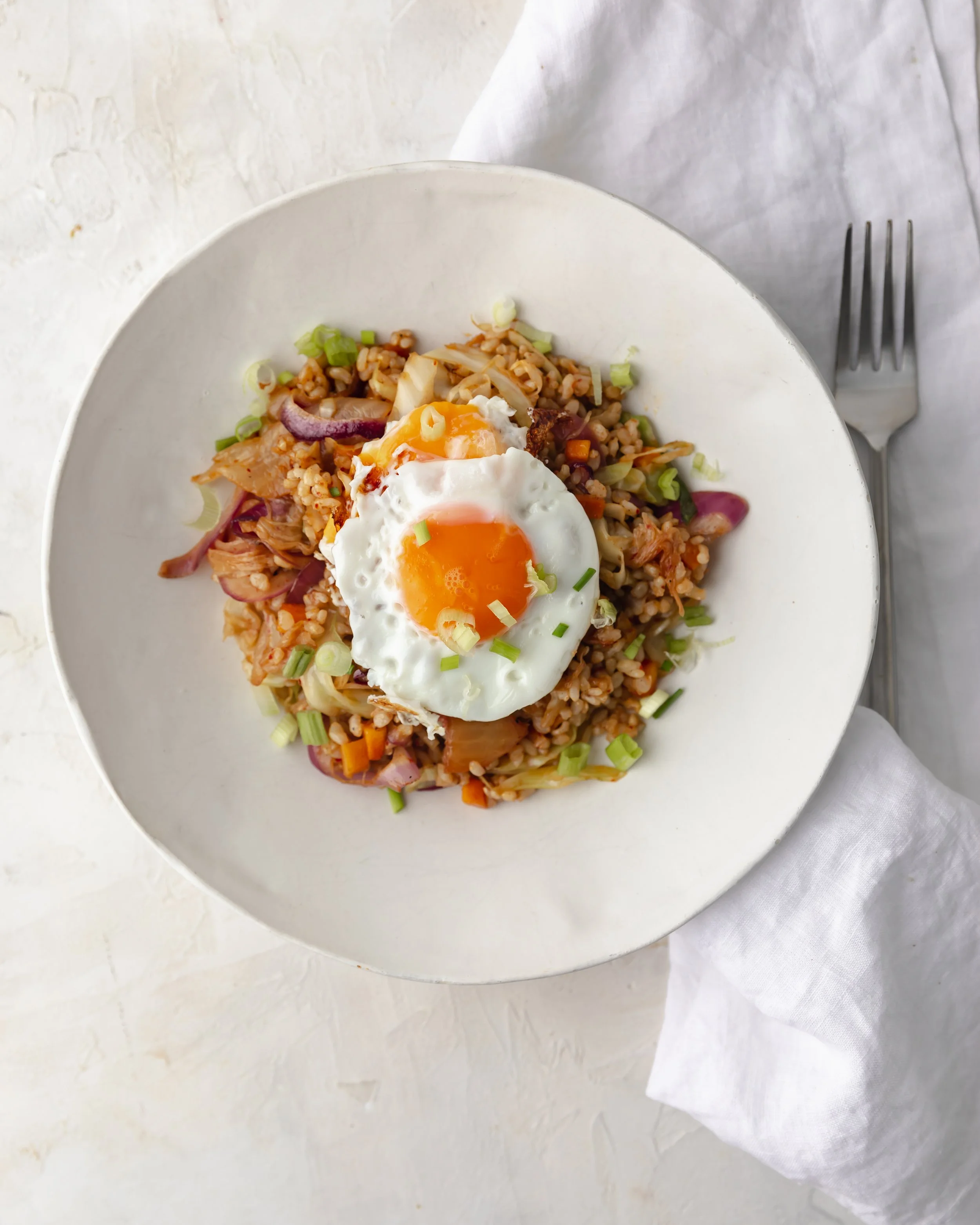
Fiber-rich carbohydrates such as oats, brown rice, quinoa, potatoes, beans, and whole-grain bread.
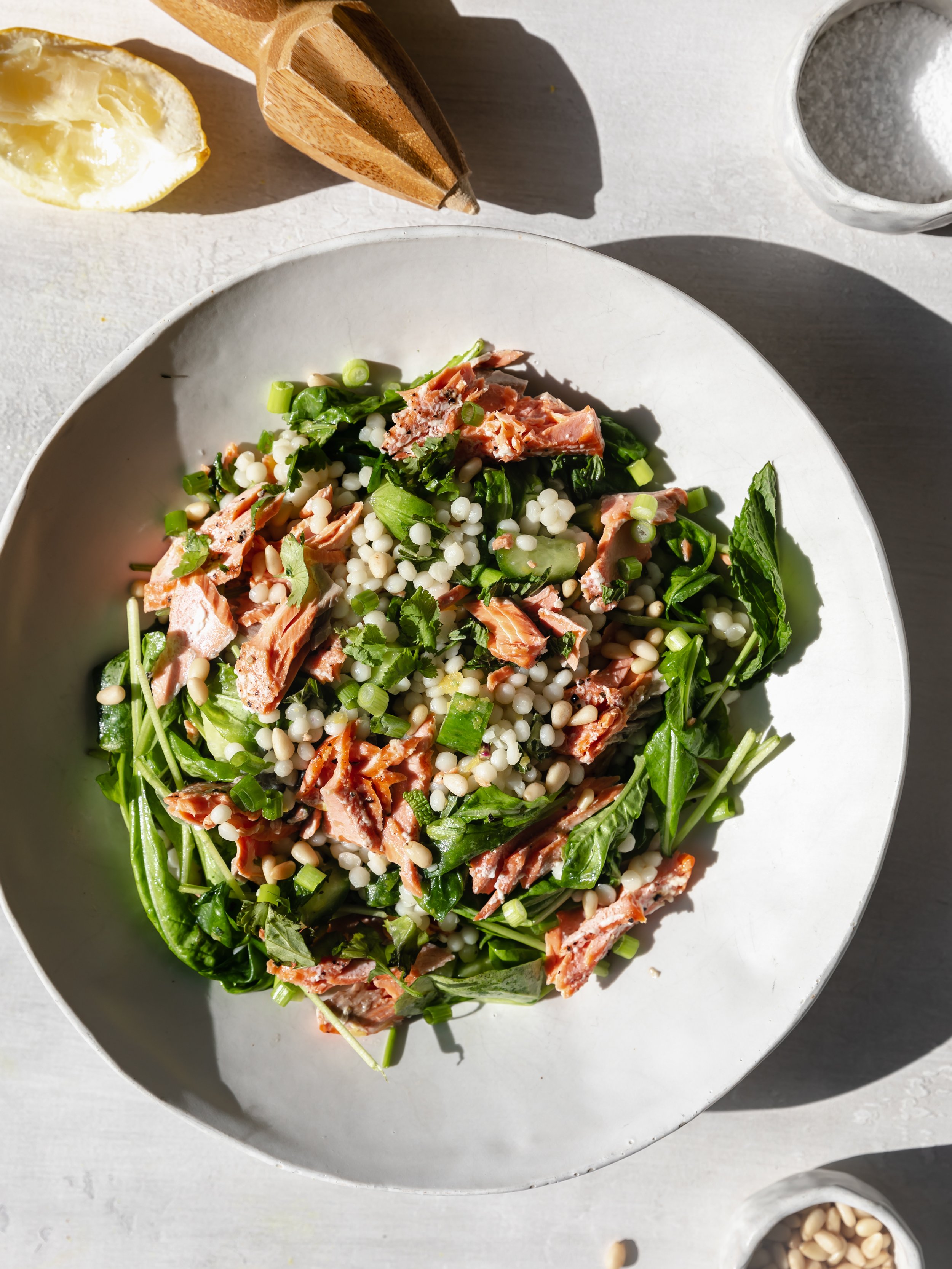
Healthy fats from avocado, nuts, seeds, extra virgin olive oil, and fatty fish like salmon.
Plenty of fluids such as (still or sparkling) water, herbal tea, broth, and milk.
Protein deserves particular attention during weight loss. Adequate protein combined with resistance or strength training can help maintain muscle as you lose weight (3). If your appetite is low, smaller meals may work better than large ones. An egg with avocado on whole-grain toast, Greek yogurt or skyr with fruit and nuts, or a small bowl with chicken, brown rice, and cooked vegetables can provide plenty of nutrition without requiring a large portion.
Long term, your diet should also include foods you genuinely enjoy. Birthday cake, pizza night, restaurant meals, and vacation food don't need to completely disappear simply because you're taking a GLP-1, but should rather be enjoyed in moderation. A sustainable diet needs to work on an ordinary Tuesday, the weekend, and your birthday.
Why do restrictive diets often backfire alongside glp-1 medications?
When a medication is already reducing your appetite, an extremely restrictive diet can make it harder to meet your nutritional needs. Eating less means fewer opportunities to get enough protein, vitamins, minerals, fiber, and other key nutrients. Restriction also impacts your relationship with food. Labeling foods “good” or “bad,” eliminating entire food groups without a medical reason, or trying to eat as little as possible can make food feel unnecessarily complicated. Instead, aim for structure without rigidity.
Choose nutrient-dense foods — foods that pack a lot of nutrition into a small portion — most of the time, but leave room for foods you enjoy. Pay attention to fullness without treating hunger as something to be eliminated. If nausea or other side effects temporarily limit what foods you can eat, expand your food choices again as you start feeling better. The goal is to create an eating pattern you can live with while focusing on GLP-1 weight loss — not another diet you can't wait to finish.
When should the diet shift from “losing” mode to “maintenance” mode?
There isn’t one specific day when weight loss ends and maintenance begins. In fact, the best time to practice maintenance habits is while you're still losing weight. As you approach a weight that is appropriate for you, focus less on the scale and more on eating enough to support your health, maintain strength, stay active, and develop routines that feel sustainable.
Your nutrition plan may also need to change as your appetite, weight, activity level, medication dose, or health status changes. Long-term planning matters because weight regain can occur after GLP-1 treatment is discontinued. In a recent study, participants taking semaglutide who lost an average of 17.3% of their starting body weight after 68 weeks regained about two-thirds of that loss in the year after semaglutide and the study's lifestyle intervention ended (4). That doesn't mean everyone will regain the same amount, but it does show why GLP-1 treatment shouldn't be viewed as a short-term diet with a beginning and an end. Work with your physician and registered dietitian to determine what long-term treatment and weight maintenance should look like before stopping or changing your medication so you can maintain your GLP-1 weight loss.
Where does behavior change fit in alongside food choices?
Food choices matter, but the routines around those choices help make a nutrition plan sustainable.
Start with a few habits you can repeat:
Keep two or three easy protein options available each week, such as hard-boiled eggs, rotisserie chicken, tofu, or canned tuna.
Eat at predictable times if your hunger cues are very quiet.
Prepare a whole grain and a cooked vegetable each week to make balanced meals easier to put together.
Keep water nearby throughout the day.
Include resistance or strength training that's appropriate for your body.
Eat out sparingly, and keep simple foods at home for quick meals during busy weeks.
Check in with your hunger, fullness, energy, and strength — not just the scale.
These aren't dramatic changes, and that's the point. Behavior change works best when healthy choices become easier to repeat in everyday life. And don't overlook your relationship with food. Eating very little doesn't make you “good,” and feeling hungry doesn't mean you're doing something wrong. Hunger is simply information from your body. Enjoyable meals, flexible food choices, and awareness of hunger and fullness can all coexist with weight-management goals.
A registered dietitian can provide individualized GLP-1 nutrition support if you're unsure what to eat, struggling with side effects, losing strength, managing other medical conditions, or trying to create a plan that works beyond the active weight-loss phase (3). GLP-1 medications can be a powerful weight-management tool. But the habits you practice alongside them matter too. The most sustainable GLP-1 weight loss diet isn't the one that helps you eat the least. It's the one that helps you eat well in a way you can maintain for years.
Written by Rachel Burge, MS, ACSM-CPT

Rachel is a dietetic intern at San Francisco State University and has a background in nutrition, journalism, and as a personal trainer. She believes that food and exercise are medicine and the key to a healthier and more enjoyable lifestyle. In her free time, she enjoys gardening, running, yoga, and travel.

This post was reviewed by Kelly Powers, MA, RDN. Kelly is a Registered Dietitian and Culinary Nutritionist who takes a holistic approach to nutrition and health. Kelly specializes in GLP-1 nutrition, the Mediterranean diet, women’s health, family nutrition, meal planning, and sustainable behavior change, helping her clients reach their health goals while improving their relationship with food. She’s also a nutrition consultant for health and tech startups, food companies, and brands she believes in. You can schedule a free consultation for 1:1 nutrition coaching with Kelly here.