
glp-1 and muscle loss: how to protect lean mass during weight loss
Losing weight on a GLP-1 medication can bring meaningful health benefits, but the number on the scale doesn't tell the whole story. During weight loss, the body can lose both fat and lean mass, including muscle. Protecting muscle is an important part of GLP-1 support because muscle helps maintain strength, mobility, and physical function (1, 2). The goal isn't simply to lose weight — it's to lose weight in a way that supports your health and strength along the way.

Adequate nutrition and physical activity matter when on a GLP-1.
Try to incorporate strength training twice a week to preserve lean body mass.
What causes muscle loss on glp-1 medications?
Muscle loss isn't unique to GLP-1 medications. Some lean mass is typically lost whenever someone loses a significant amount of weight. GLP-1 medications can add another challenge because they may dramatically reduce appetite and food intake. Smaller portions and fewer meals can make it harder to get enough protein and other nutrients needed to maintain muscle (1). Age, activity level, the amount and rate of weight loss, and how much resistance exercise you do can also influence how well you maintain lean mass (1, 2). Rather than assuming faster weight loss is always better, consider the quality of the weight you're losing. Maintaining your strength, eating well, and staying physically active are important signs of progress that a scale can't measure.
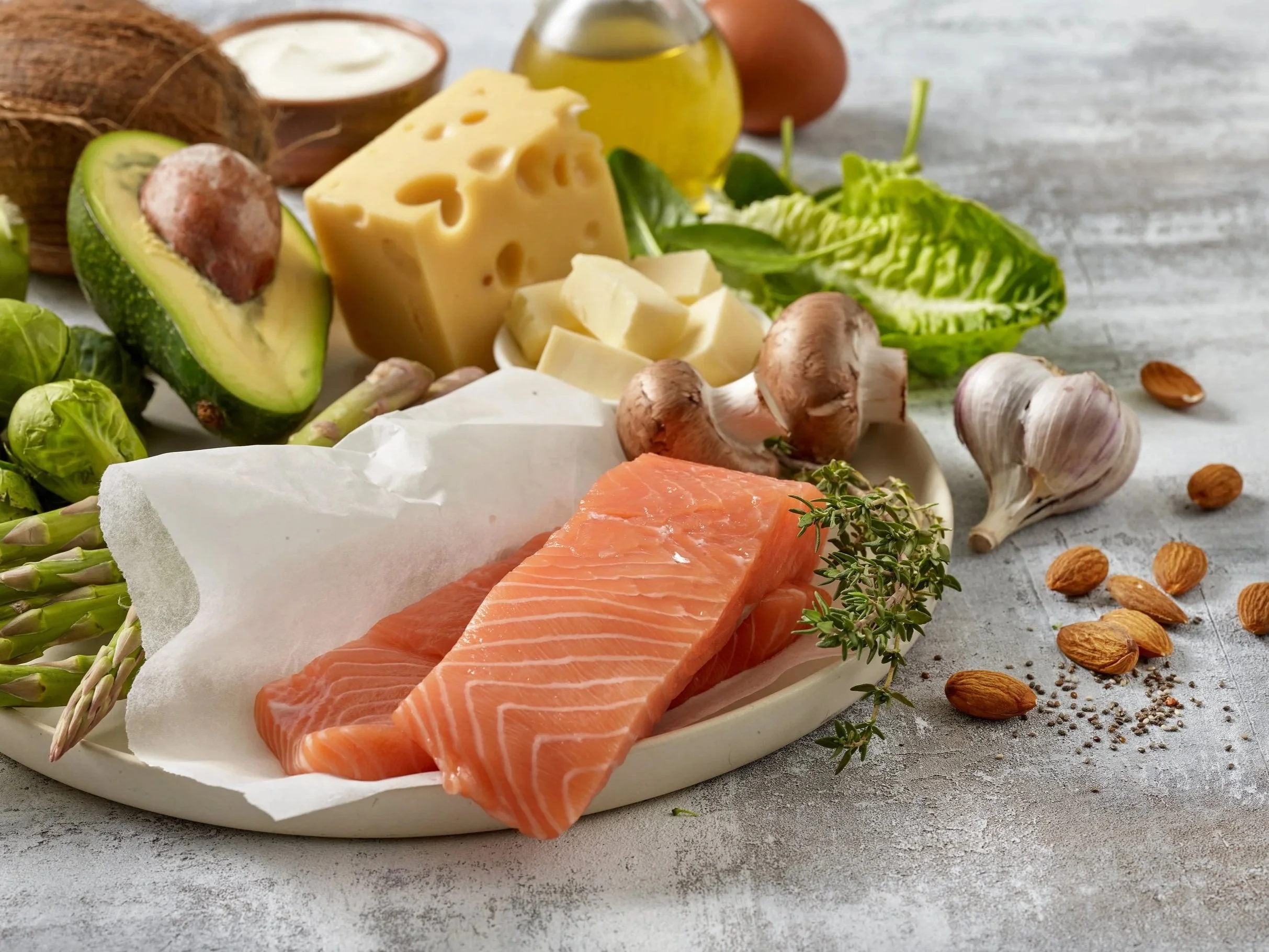
Timing and ingredients matter.
Focus on protein and fiber and eat regularly throughout the day to ensure your needs are met.
Why is protein intake critical while taking glp-1s?
Protein provides amino acids your body uses to maintain and repair muscle. When you’re eating considerably less than you did before starting a GLP-1, meeting your protein needs can become more difficult.
Make protein a priority by choosing foods such as:
Greek yogurt and cottage cheese
Eggs
Fish and seafood
Chicken and turkey
Tofu, tempeh, and edamame
Beans and lentils
Nuts and seeds
If you get full quickly, try eating the protein portion of your meal first (1). Protein shakes can also be helpful when your appetite is especially low, but they shouldn’t replace whole foods when you're able to eat them. Try incorporating protein shakes as snacks rather than meal replacements.
Protein works best when your muscles are being used. Resistance training provides the stimulus that helps your body maintain muscle during weight loss (1, 2). Even if you've never lifted weights before, you can start with simple exercises using resistance bands, dumbbells, machines, or your own body weight.
Where do most people fall short on protein each day?
Falling short isn't always about choosing the wrong foods. Sometimes there simply aren't enough opportunities to eat protein during the day. This can be especially easy to do on a GLP-1. You might have coffee and toast for breakfast, eat a very small lunch because you're still full, and then realize at dinner that you've had very little protein all day. Try spreading protein across your meals rather than relying on dinner to provide most of it (1).
For example:
Add eggs or Greek yogurt to breakfast.
Include tuna, chicken, tofu, beans, or lentils on a salad at lunch.
Choose cottage cheese, edamame, or nuts for a snack.
Include fish, poultry, tofu, or legumes at dinner.
Keeping a few easy options on hand can also help. Hard-boiled eggs, Greek yogurt, cottage cheese, frozen edamame, canned tuna or salmon, and rotisserie chicken require little preparation.
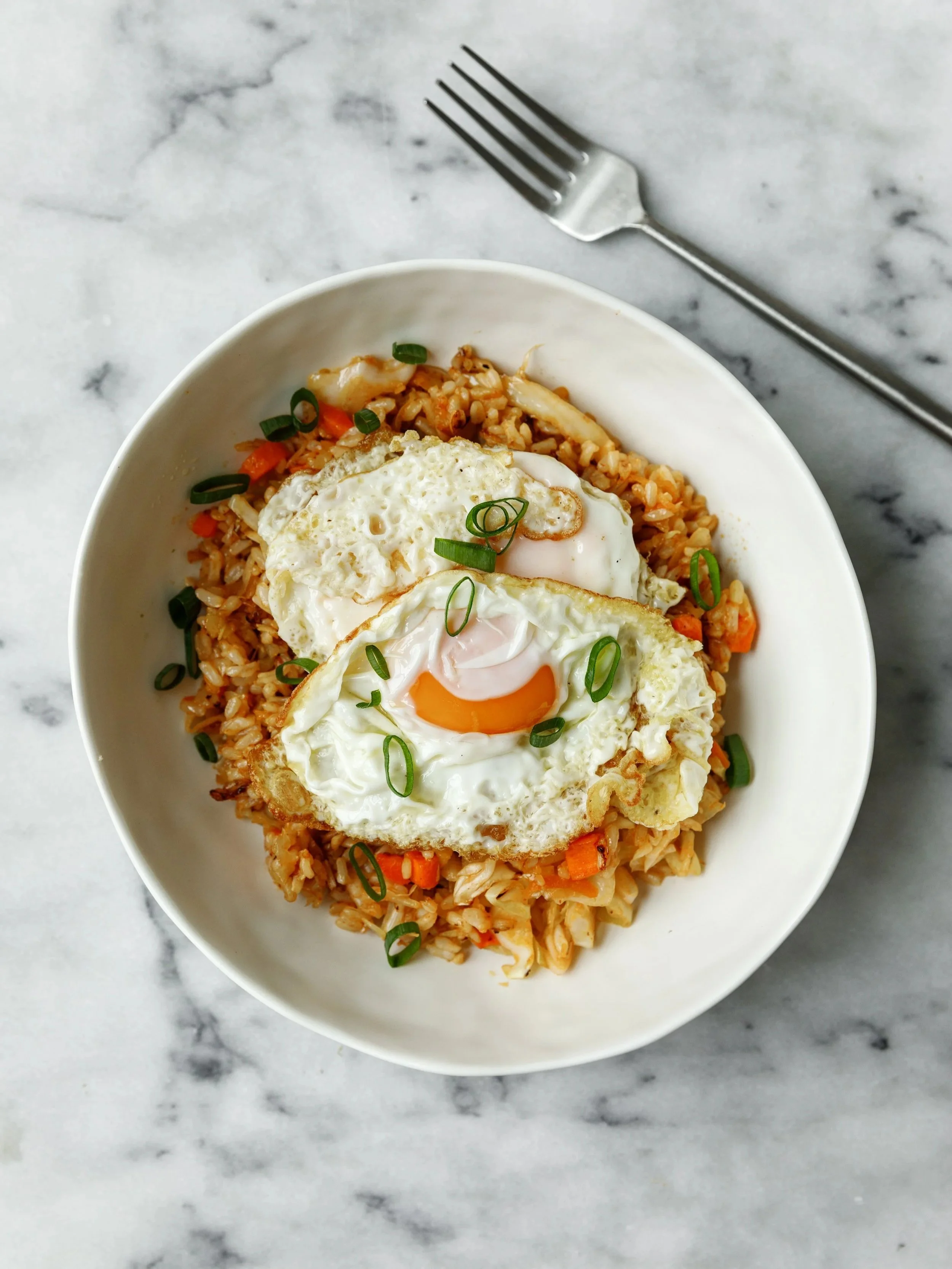
Aim for protein at each meal and snack.
It can come from plants or animals, but it should be eaten throughout the day rather than all at once.
Look beyond weight loss
One of the simplest ways to monitor muscle health is to pay attention to what your body can do. Are you maintaining your strength during workouts? Can you carry groceries, climb stairs, get up from a chair easily, and keep up with your usual activities? Changes in strength and function can provide information that your weight alone cannot (2).
If you're losing weight rapidly while also noticing weakness, declining strength, difficulty eating enough, or very low energy, talk with your physician or get GLP-1 support from a registered dietitian. GLP-1 medications can be an effective tool for weight management, but protecting lean mass should be a part of the plan. Prioritize protein, challenge your muscles regularly, and measure progress by more than the scale.
Written by Rachel Burge, MS, ACSM-CPT

Rachel is a dietetic intern at San Francisco State University and has a background in nutrition, journalism, and as a personal trainer. She believes that food and exercise are medicine and the key to a healthier and more enjoyable lifestyle. In her free time, she enjoys gardening, running, yoga, and travel.

This post was reviewed by Kelly Powers, MA, RDN. Kelly is a Registered Dietitian and Culinary Nutritionist who takes a holistic approach to nutrition and health. Kelly specializes in GLP-1 nutrition, the Mediterranean diet, women’s health, family nutrition, meal planning, and sustainable behavior change, helping her clients reach their health goals while improving their relationship with food. She’s also a nutrition consultant for health and tech startups, food companies, and brands she believes in. You can schedule a free consultation for 1:1 nutrition coaching with Kelly here.