

Latest from the blog

five easy weekday breakfasts
Breakfast is the most important meal of the day. It activates your metabolism, provides energy, and aids in portion control throughout the day. When you eat breakfast, and again every three to four hours throughout the day, you have more control over what you eat, how you eat, when you eat, and why you eat. Studies show those who eat breakfast are more likely to maintain a healthy weight and reduce the risk of chronic diseases. Here are five easy and delicious breakfast ideas you can incorporate into your routine, even on your busiest weekday mornings.

ingredient highlight: dates
There are many types of dates, but the ones you often find in the grocery store are Medjool and Deglet Noor dates. Medjool dates are known for their large size, soft texture, and rich, caramel-like flavor, while Deglet Noor dates are smaller, firmer, and slightly less sweet. They’re perfect in savory dishes and as sweet treats, making them a staple ingredient for any kitchen.

healthy fats of the mediterranean diet
Embracing healthy fats is not just about adding flavor to your dishes but also about enhancing your overall health and well-being. The Mediterranean diet, recognized for its heart-healthy benefits, longevity, and delightful flavors, showcases how incorporating the right kinds of fats can transform your eating habits and improve your health.

10 reasons to embrace the mediterranean diet
Adopting a healthier lifestyle doesn't have to mean you have to make drastic changes, follow restrictive diets, or adhere to strict food rules. There is a world where you can find more ease and joy around food and nutrition while enjoying the process of making change. The Mediterranean diet and lifestyle can help. It offers a practical and sustainable approach to improving your health that can last a lifetime—not a month, or a week, or three days.

how to make a weekly meal plan
In this blog post, we'll explore the art of meal planning and cover three essential subtopics: giving yourself time to plan, including some of your favorite meals, and making the most of leftovers.

8 items to always have in a mediterranean pantry
The Mediterranean diet is not just a diet but a lifestyle celebrated for its remarkable health benefits and sustainable approach to diet and wellbeing.

healthy batch cooking for the week ahead: mediterranean diet edition
Embracing the Mediterranean diet through batch cooking simplifies your weekly culinary journey & brings you a step closer to a healthy lifestyle. Read the blog by Kelly Powers on healthy batch cooking for the week ahead.
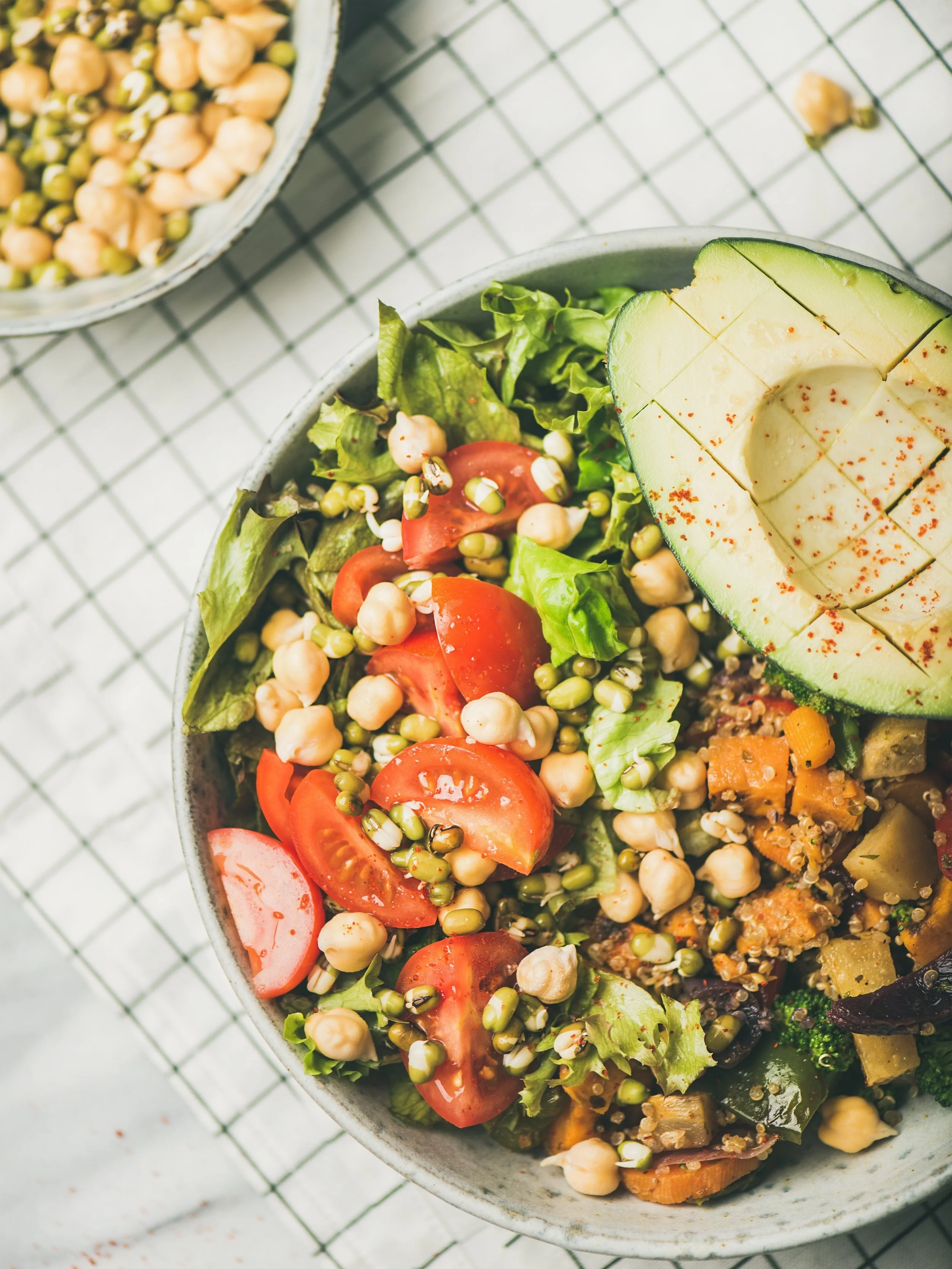
9 tips for eating more plant-based proteins
Incorporating more plant-based proteins is not only beneficial for individual health but also for the health of our planet. Read the blog by dietitian Kelly Powers to learn practical and sustainable tips for eating more plant-based proteins.
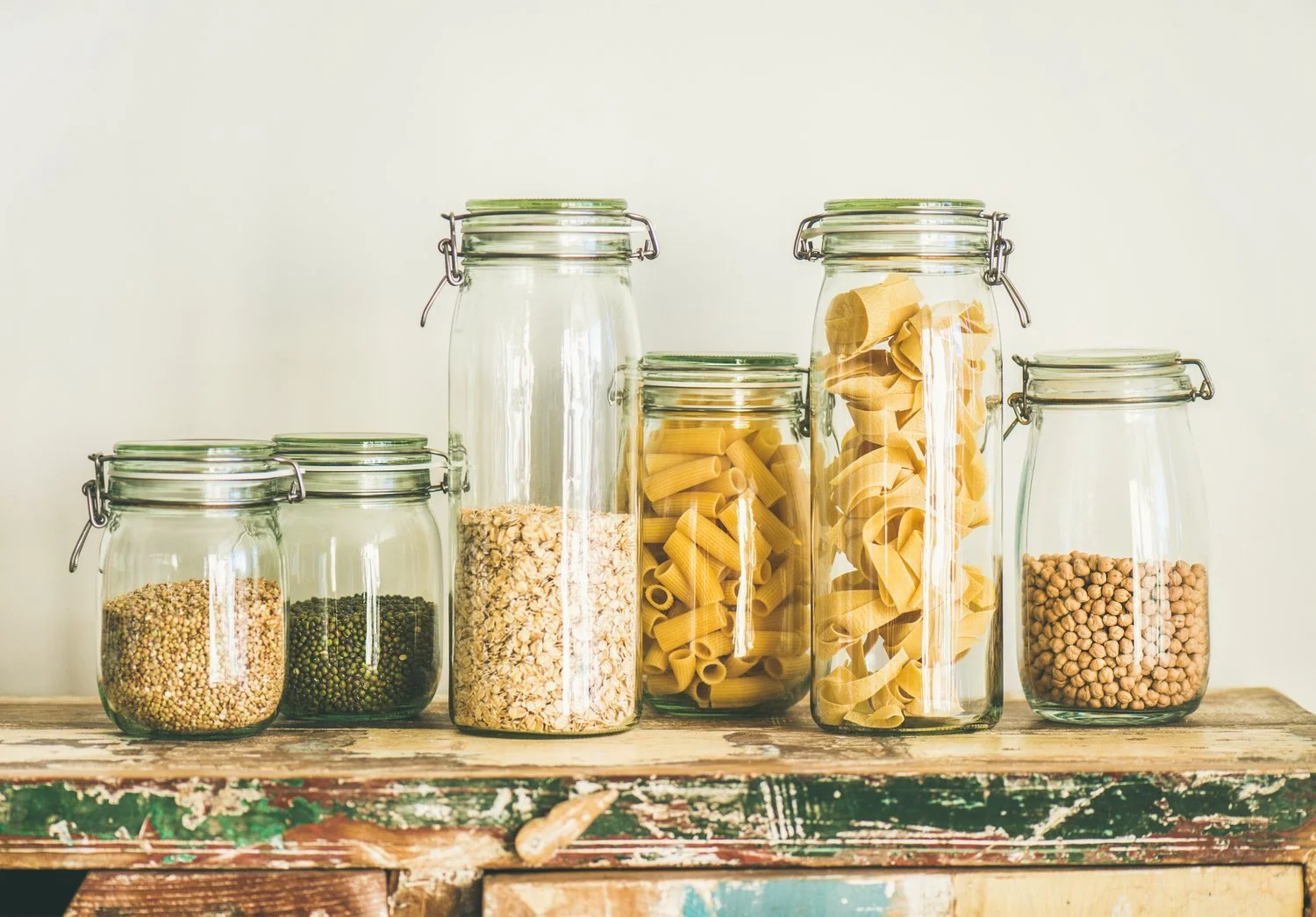
how to stock a healthy pantry: a step-by-step guide
Creating a well-stocked pantry isn't just about collecting ingredients; it's a commitment to your health and vitality. Your environment directly impacts your health—set yourself up for success by stocking your pantry well.
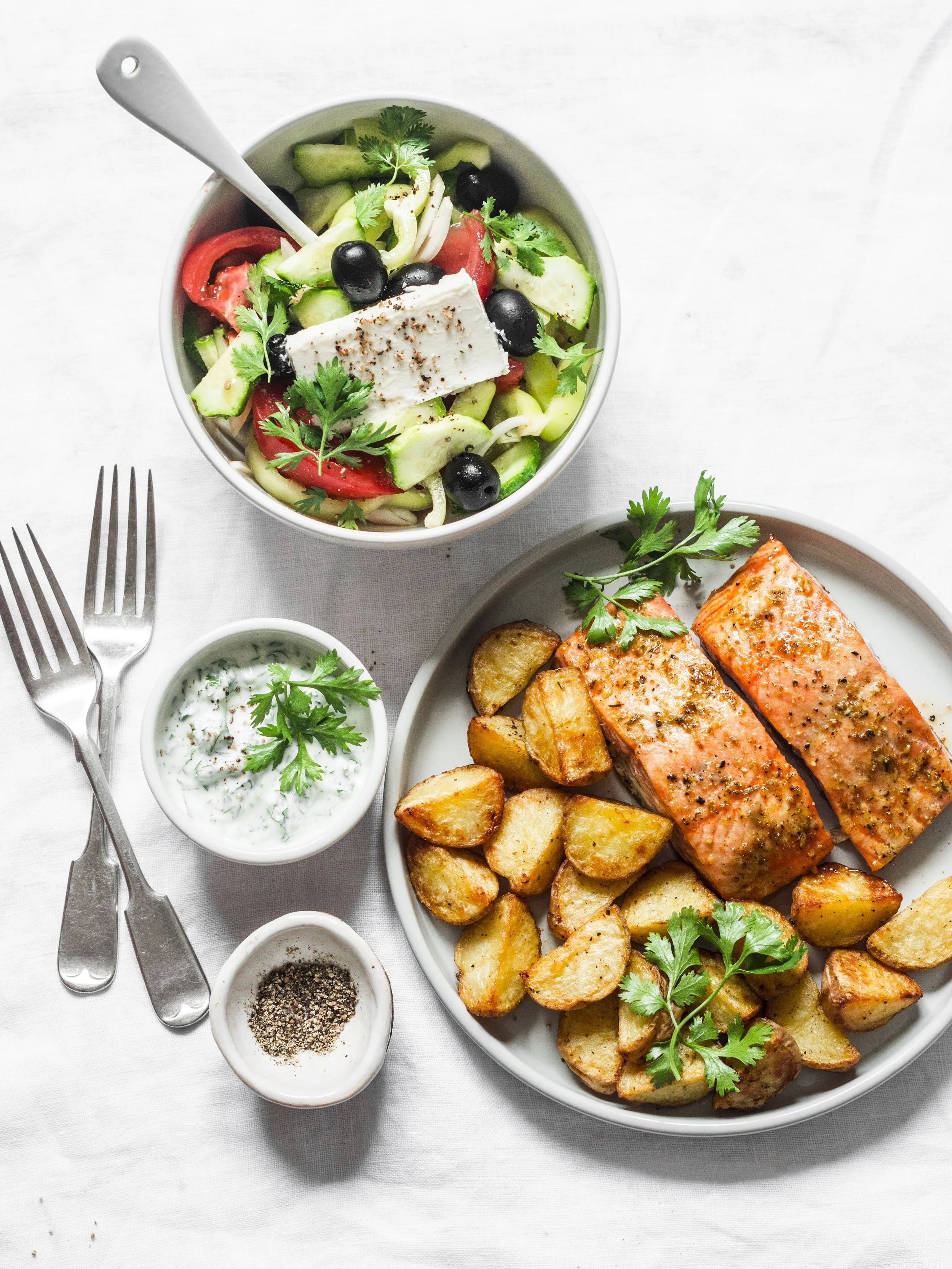
salmon and the mediterranean diet: a healthy and delicious way of eating
A Mediterranean diet is a healthy and delicious way to eat that is associated with many health benefits. This blog post explores the Mediterranean diet and lifestyle, its many health benefits, and how to follow it in your daily life.

what i learned at the largest seafood expo in north america
Registered Dietitian and Culinary Nutritionist Kelly Powers attended the Seafood Expo of North America (SENA) in Boston to meet with the MOWI team and learn more about the seafood industry. Read the blog about her three-day conference learnings at the largest seafood expo in North America.


how to build a better smoothie
You can make a better smoothie. Smoothies are the quickest way to get in your fruits and veggies — but they can be so much more than that. With a few enhancements, you can turn a simple smoothie into a delicious and nutritious meal that keeps you satiated for hours.

how to turn a salad into a meal
With just a handful of ingredients, you can turn a simple salad into a balanced, filling, and nourishing meal. Follow the formula below and you’ll be building salads that you thoroughly enjoy and even crave in no time.

how to build a balanced plate
Learn how to build a balanced plate by Registered Dietitian and Culinary Nutritionist Kelly Powers, MA, RD.

top 10 kitchen hacks from a culinary dietitian
Here at Weeknight Dinners, it's not only my mission to bring you nutritious, quick, and easy recipes, but I also really aim to make your life a little easier.

skip the wheatgrass shots and boost your immunity with extra virgin olive oil (evoo)
We've all been cautious the past few years. Immune-boosting foods and supplements have been at the center of the nutrition and wellness world, and for good reason — we’ve been in a global pandemic. Though no diet or single food can keep you from catching covid or getting the flu, you can increase your overall health by taking care of your mind and body.

beginner's guide to fat-soluble vitamins: all you need to know
One of the biggest food myths in the world revolves around nutrient absorption. Most assume the foods we put into the body are entirely digested, absorbed, and stored, however, this isn’t the case. As food is eaten, the body immediately starts breaking it down into smaller molecules that we can use and store. Due to the complexity of the human body, these molecules must travel through various pathways to reach their final destination. The utilization rate of each molecule depends on the path used, but 100% of the vitamin or mineral is generally not absorbed or stored.