
Maintaining a healthy GLP-1 diet while traveling is possible with a little planning, flexible food choices, and consistent hydration. Whether you're heading out on vacation, traveling for work, or taking a weekend getaway, focusing on protein-rich meals, nutrient-dense snacks, and regular eating habits can help you meet your nutritional needs while enjoying your trip.
GLP-1 medications, such as Ozempic, Wegovy, and Zepbound, can reduce appetite and slow digestion, making it easier to feel full after smaller portions (1). While these changes can support weight management, they may also make it challenging to eat enough when your usual routine is disrupted.
The good news?
You don't need a strict meal plan or perfect food choices. A few simple strategies can help you feel your best wherever you're going.
What should you eat while traveling on a glp-1 diet?
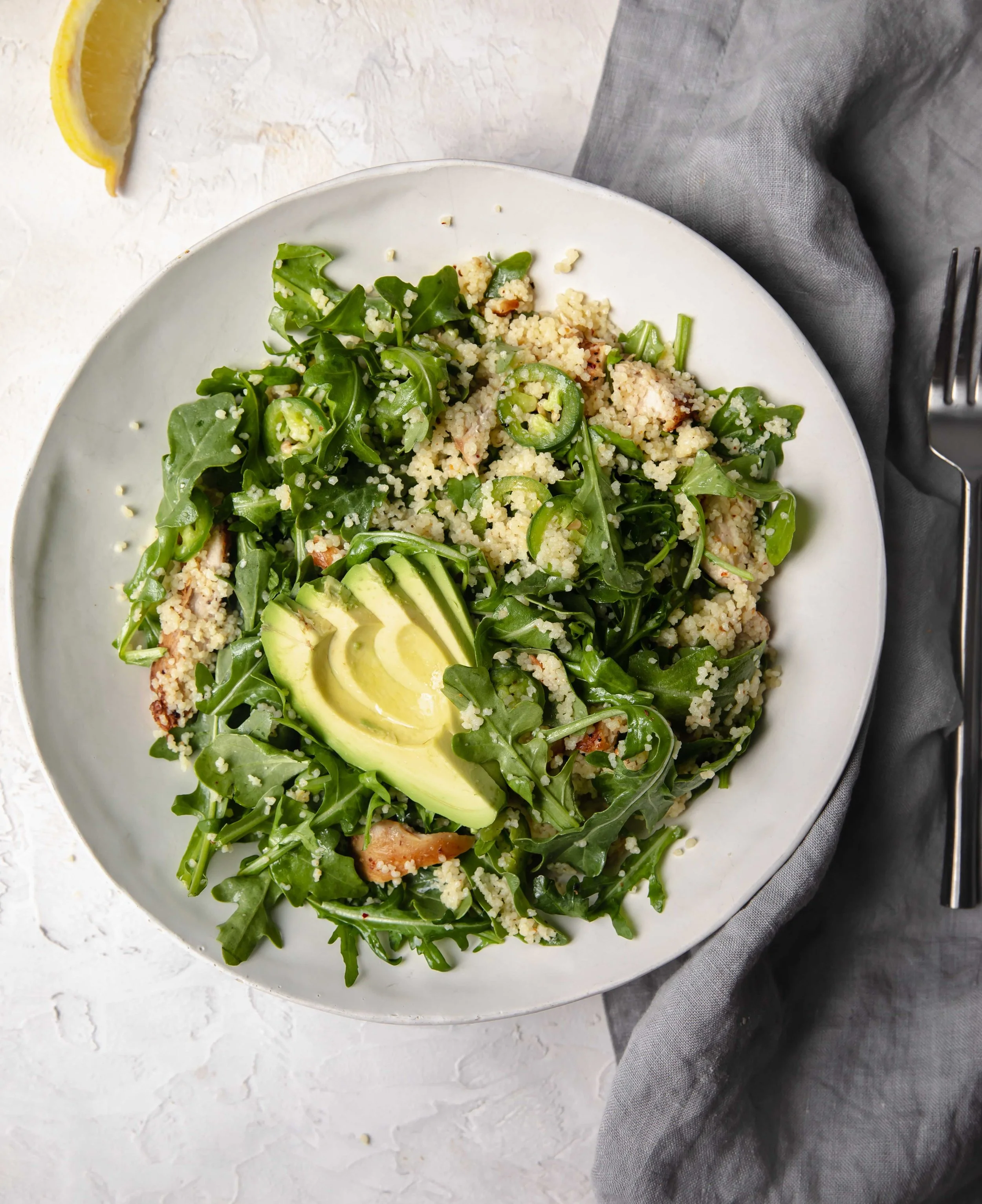
The best foods to eat while traveling on GLP-1 medications are those that provide protein, fiber, healthy fats, and essential nutrients without requiring large portions. Since appetite may be lower than usual, prioritizing nutritional quality can help you get more from each meal.
A Mediterranean-style approach works particularly well because it emphasizes whole foods, balanced meals, and flexibility.
When planning meals during travel, focus on these foods:
Lean proteins: Eggs, chicken, fish, Greek yogurt, tofu, and cottage cheese help support muscle maintenance.
Fruits and vegetables: Fresh produce provides vitamins, minerals, fiber, and hydration.
Whole grains: Oatmeal, quinoa, and whole-grain bread offer fiber and lasting energy.
Healthy fats: Extra virgin olive oil, avocado, nuts, and seeds provide essential fatty acids and additional nutrients.
Easy-to-digest options: Soups, smoothies, toast, and cooked vegetables may be easier to tolerate when your appetite is particularly low.
For example, a breakfast of Greek yogurt, berries, and nuts provides protein, fiber, and healthy fats without requiring a large meal.
If you're experiencing nausea or early fullness, smaller meals throughout the day may feel more comfortable than three large meals. A 2025 joint clinical advisory on GLP-1 nutrition also supports smaller, more frequent meals to help manage gastrointestinal symptoms (1).
Remember, following a GLP-1 diet isn't about restricting food. It's about making the most of what you can comfortably eat.
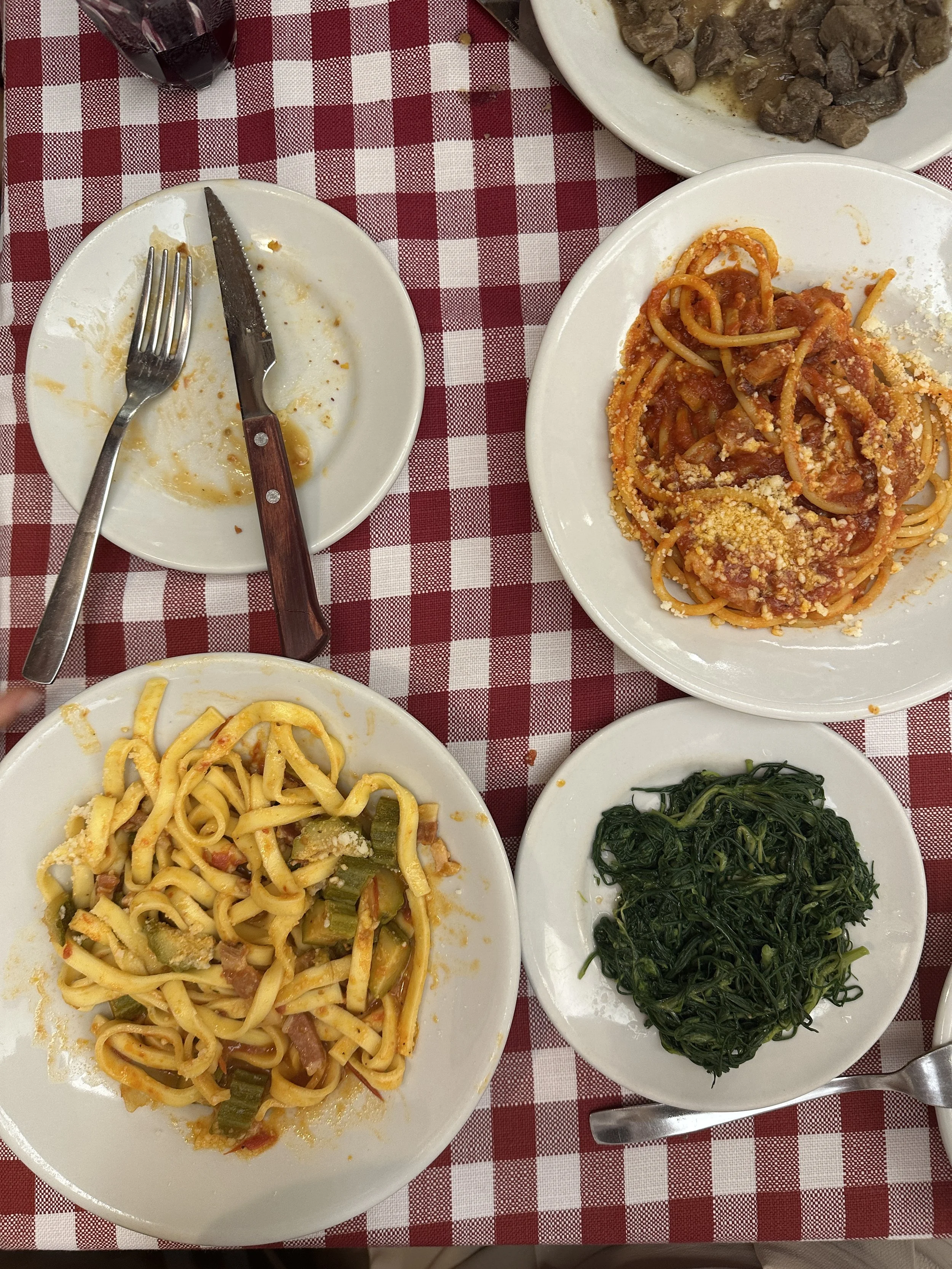
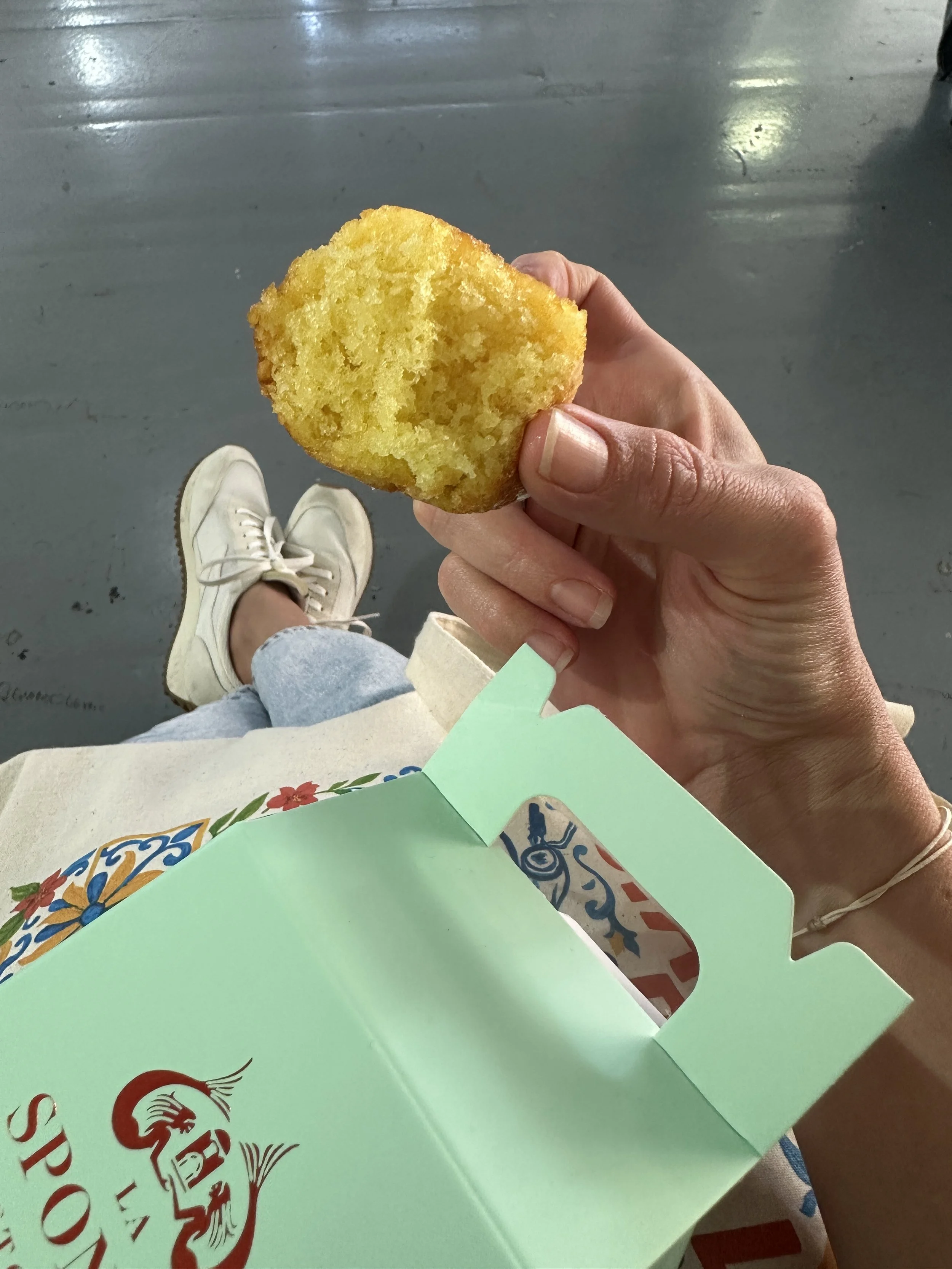
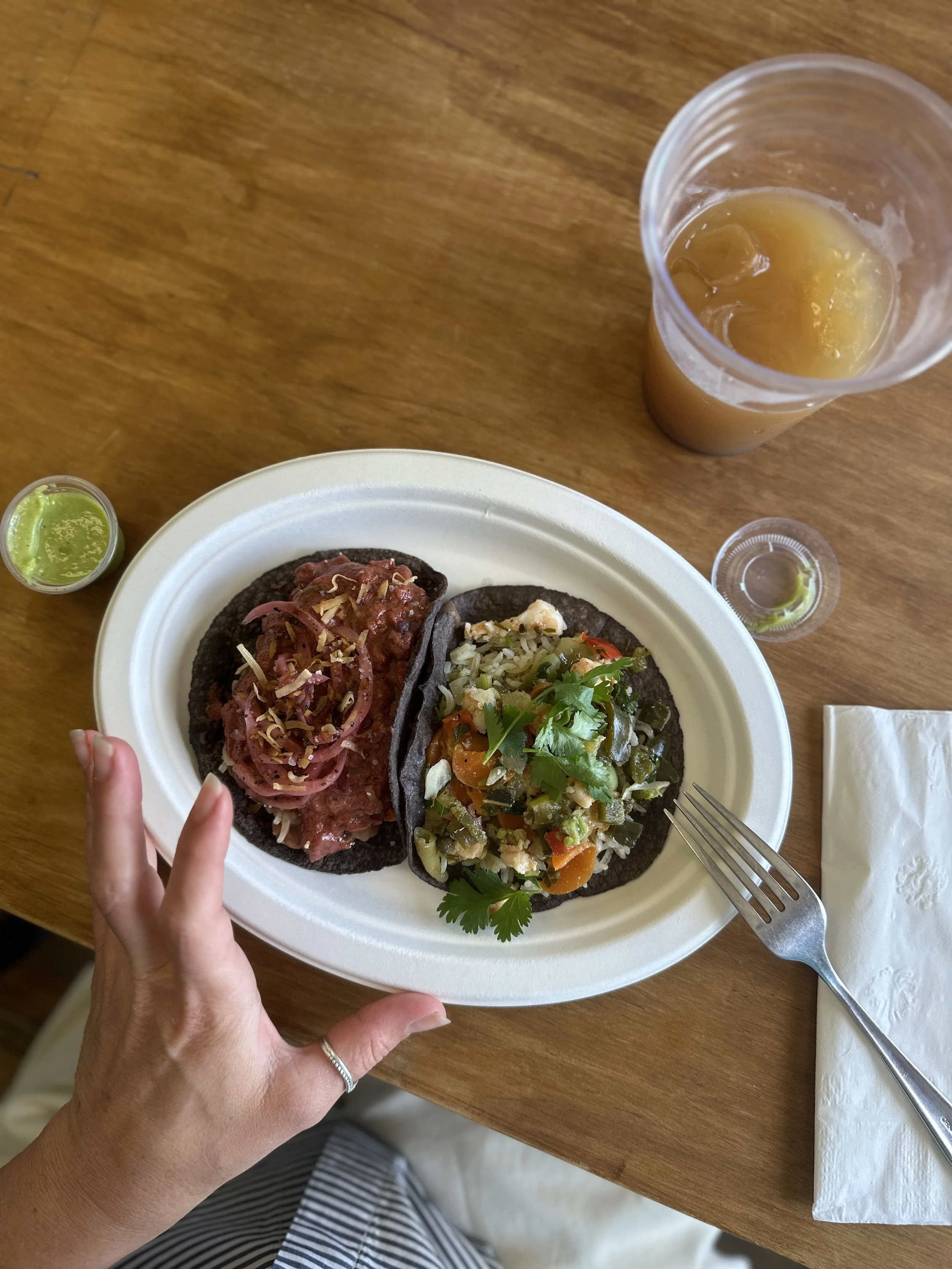
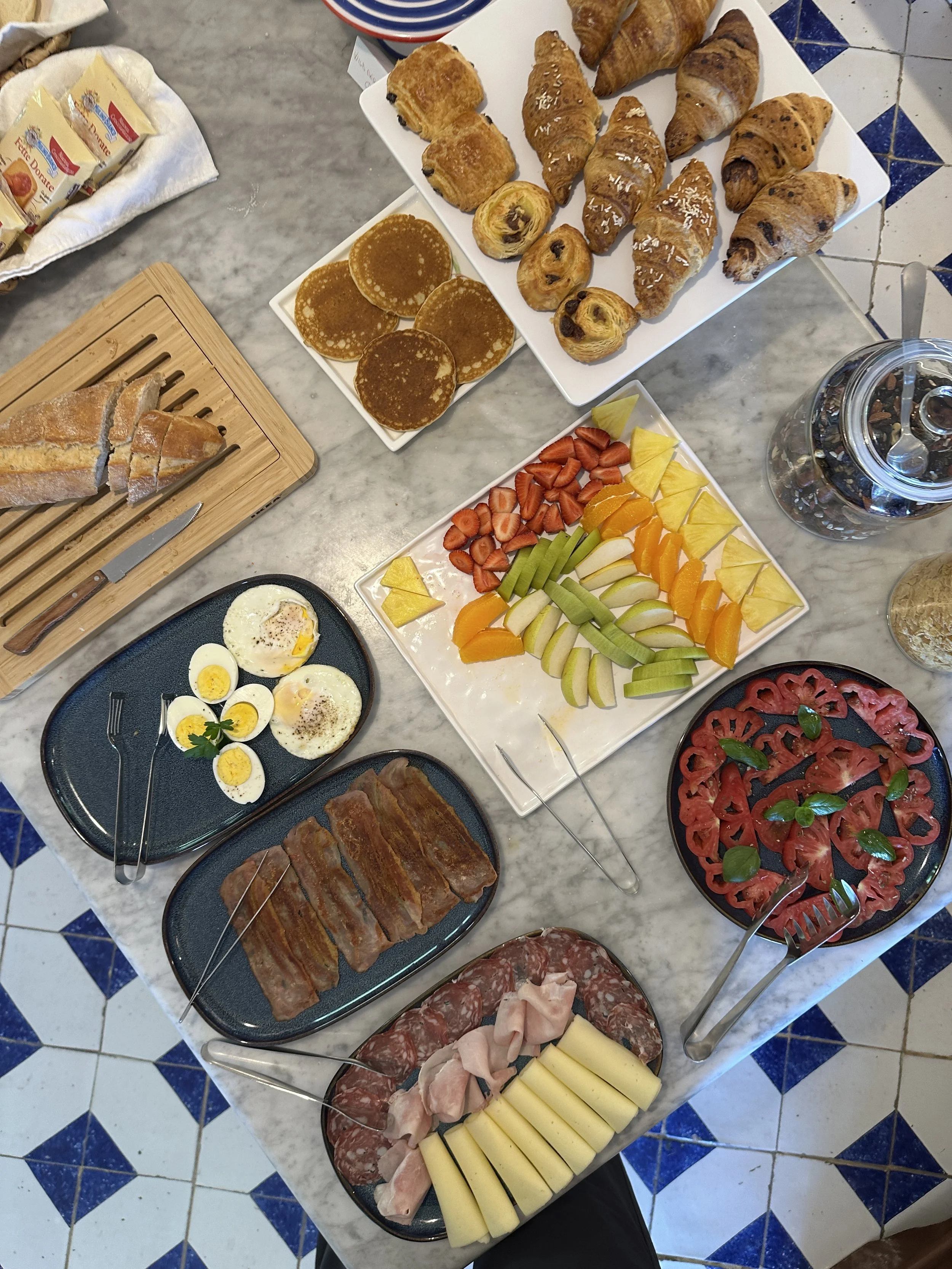
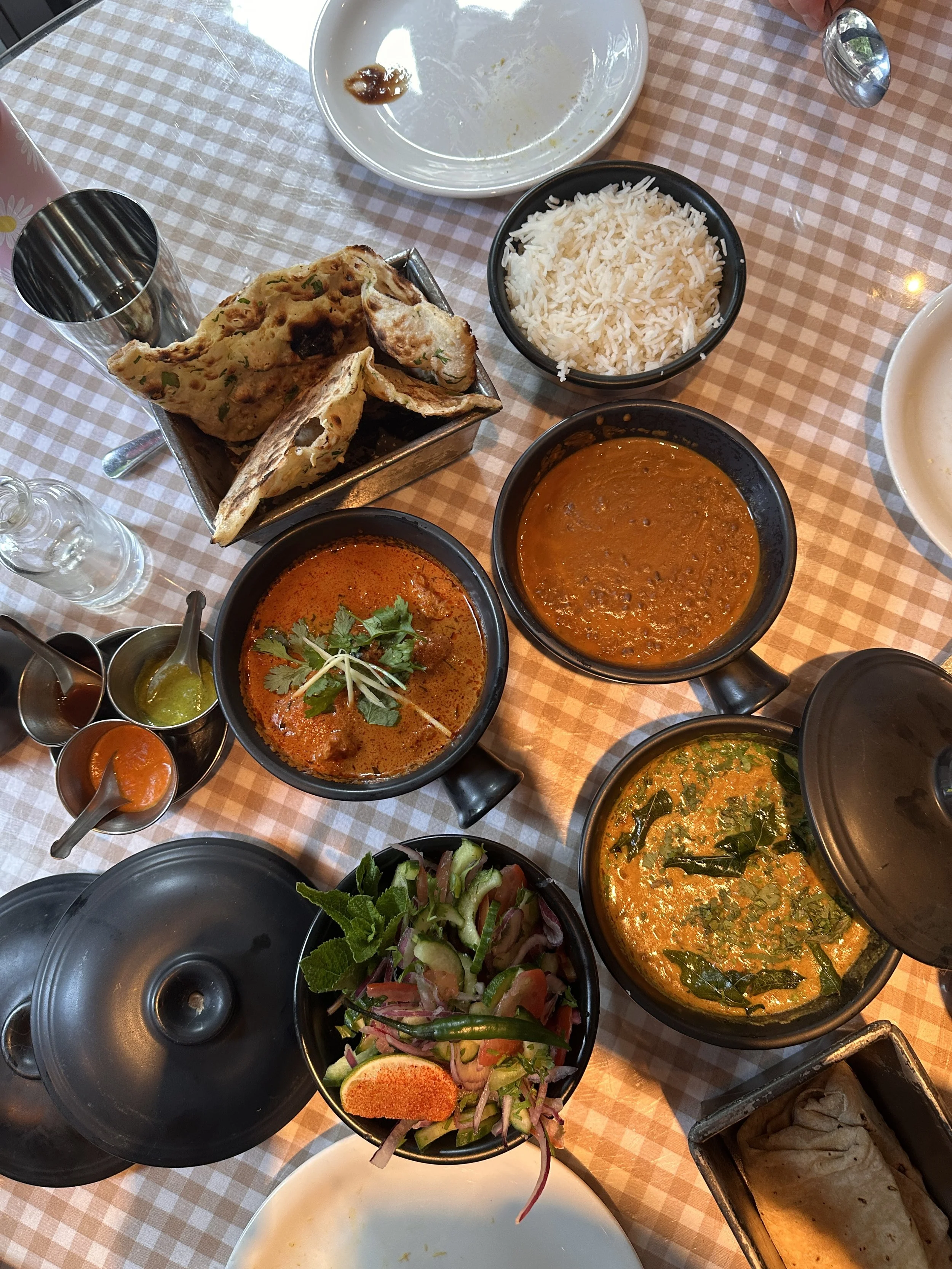
How can you choose balanced meals at restaurants and hotels?
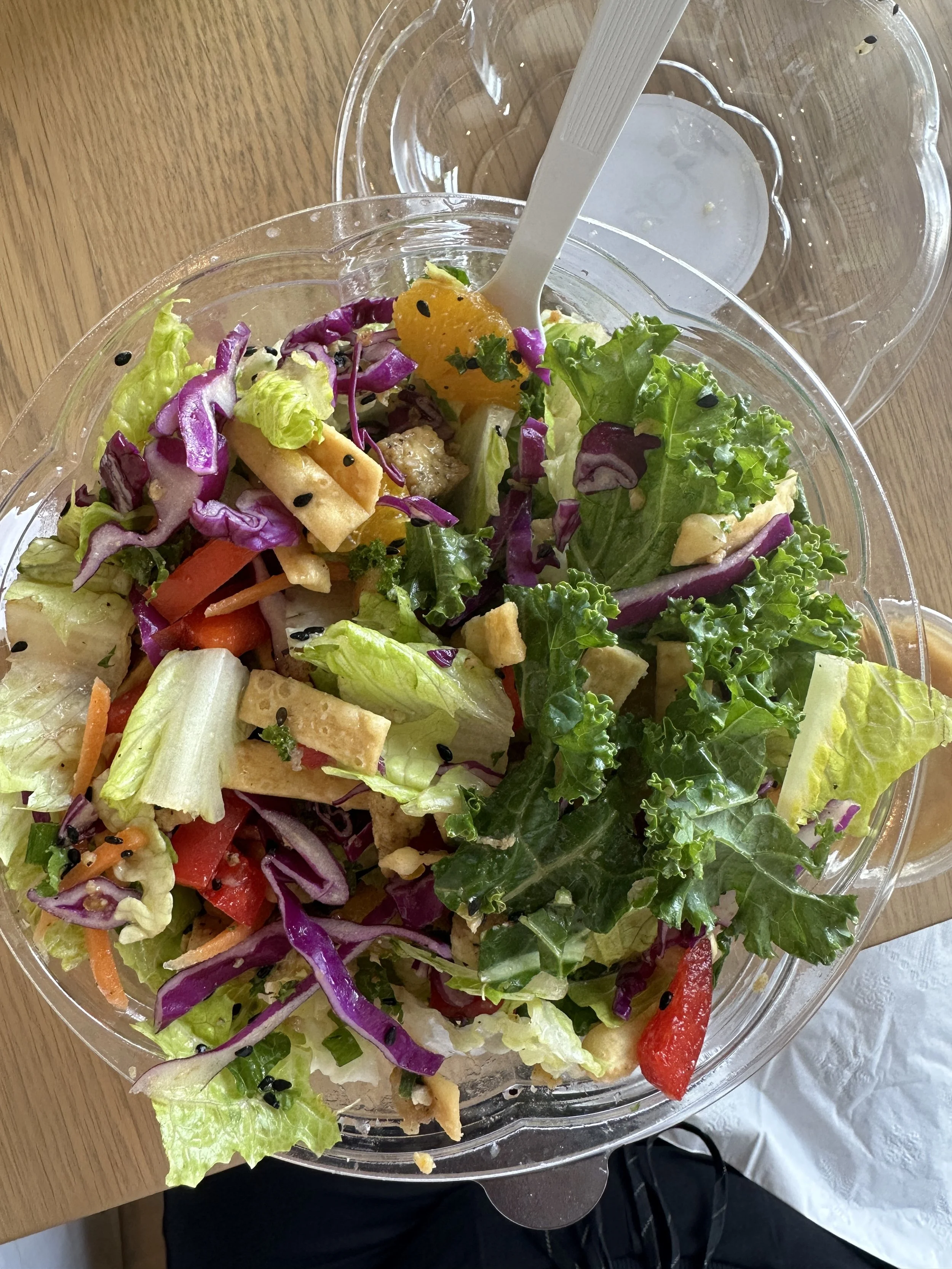
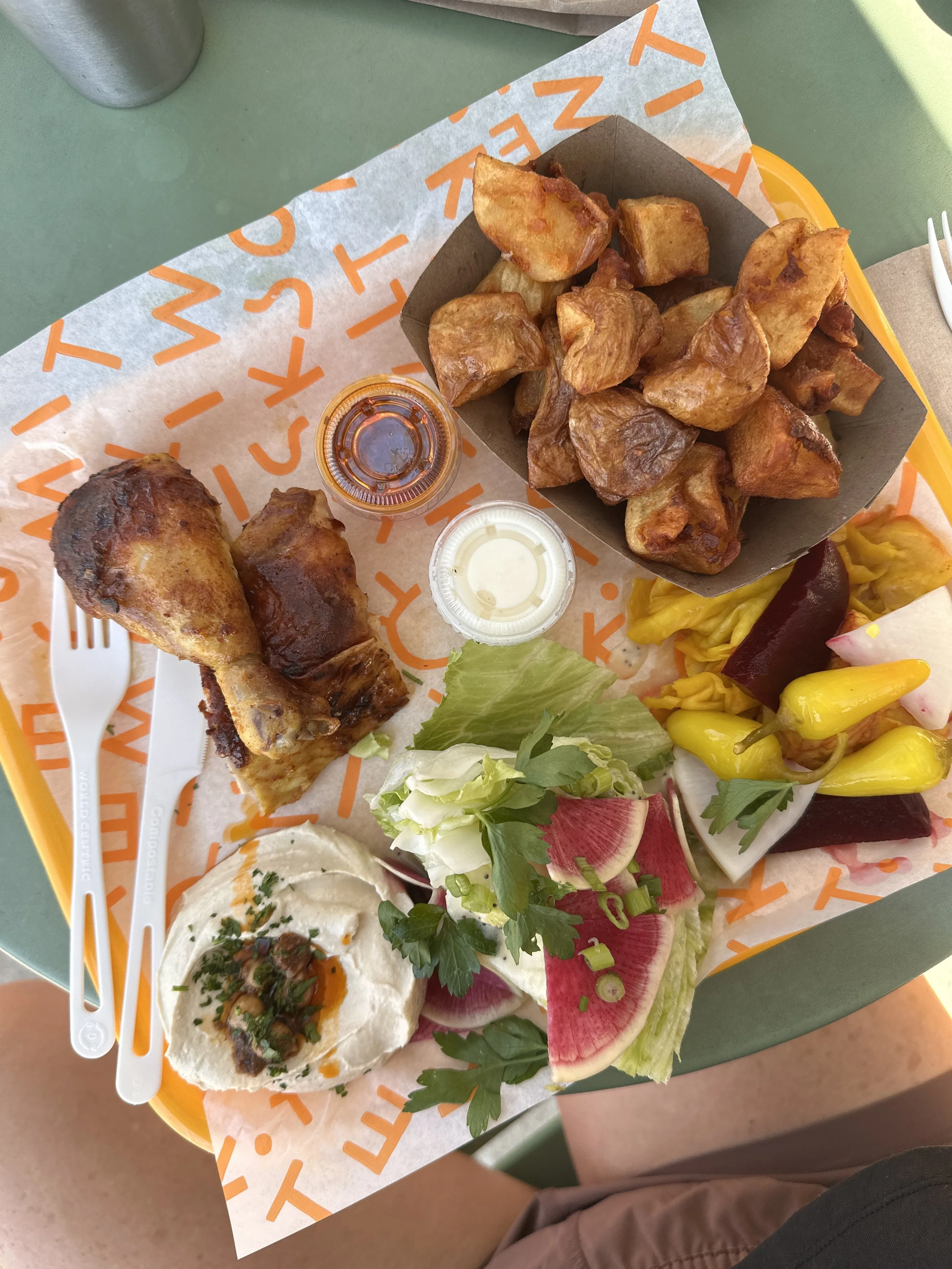
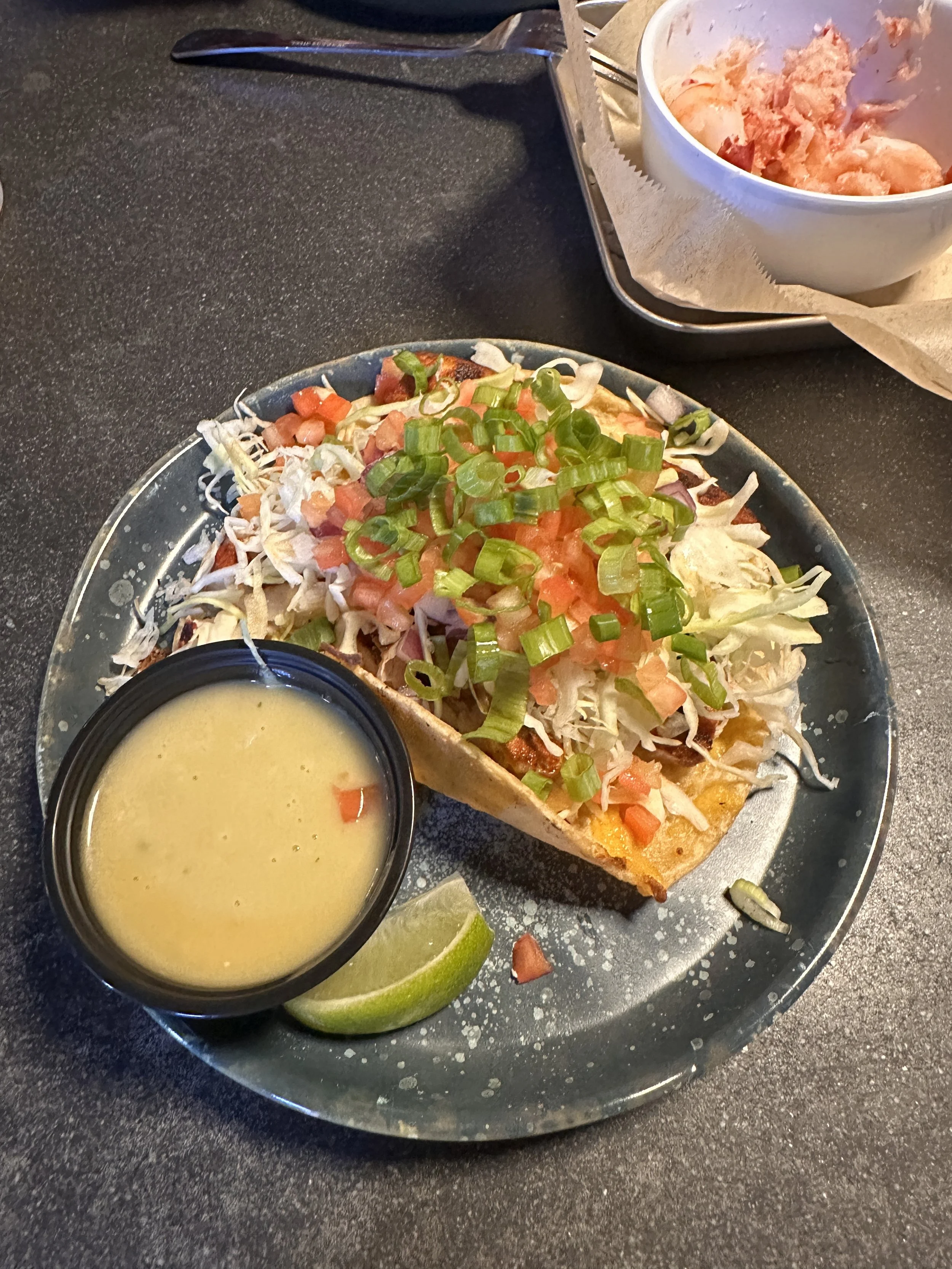
Eating at restaurants while taking GLP-1 medications doesn't have to be complicated. Choosing meals that combine protein, vegetables, and satisfying carbohydrates can help you maintain balanced nutrition while exploring new foods and cuisines.
Use a simple meal-building approach: start with a protein source, add produce, and include a carbohydrate or healthy fat based on your appetite.
Here are practical options for common travel situations:
Travel setting // Balanced meal idea
Hotel breakfast // Scrambled eggs, whole-grain toast, and fruit
Airport restaurant // Grilled chicken bowl with rice and vegetables
Mediterranean restaurant // Grilled fish, roasted vegetables, and potatoes
Café or coffee shop // Egg sandwich, Greek yogurt, or a protein-rich smoothie
Mexican restaurant // Chicken or tofu tacos with beans and avocado
Restaurant portions are often larger than what feels comfortable on GLP-1 medications. Consider ordering an appetizer with a side dish, sharing an entrée, or saving leftovers when food safety and refrigeration allow.
It's also helpful to eat slowly and pay attention to fullness. Large, rich, or high-fat meals may worsen nausea, reflux, or stomach discomfort for some people (2).
Most importantly, enjoy regional foods and memorable dining experiences. One indulgent meal won't undo your progress, and healthy eating should fit into your life rather than limit it.
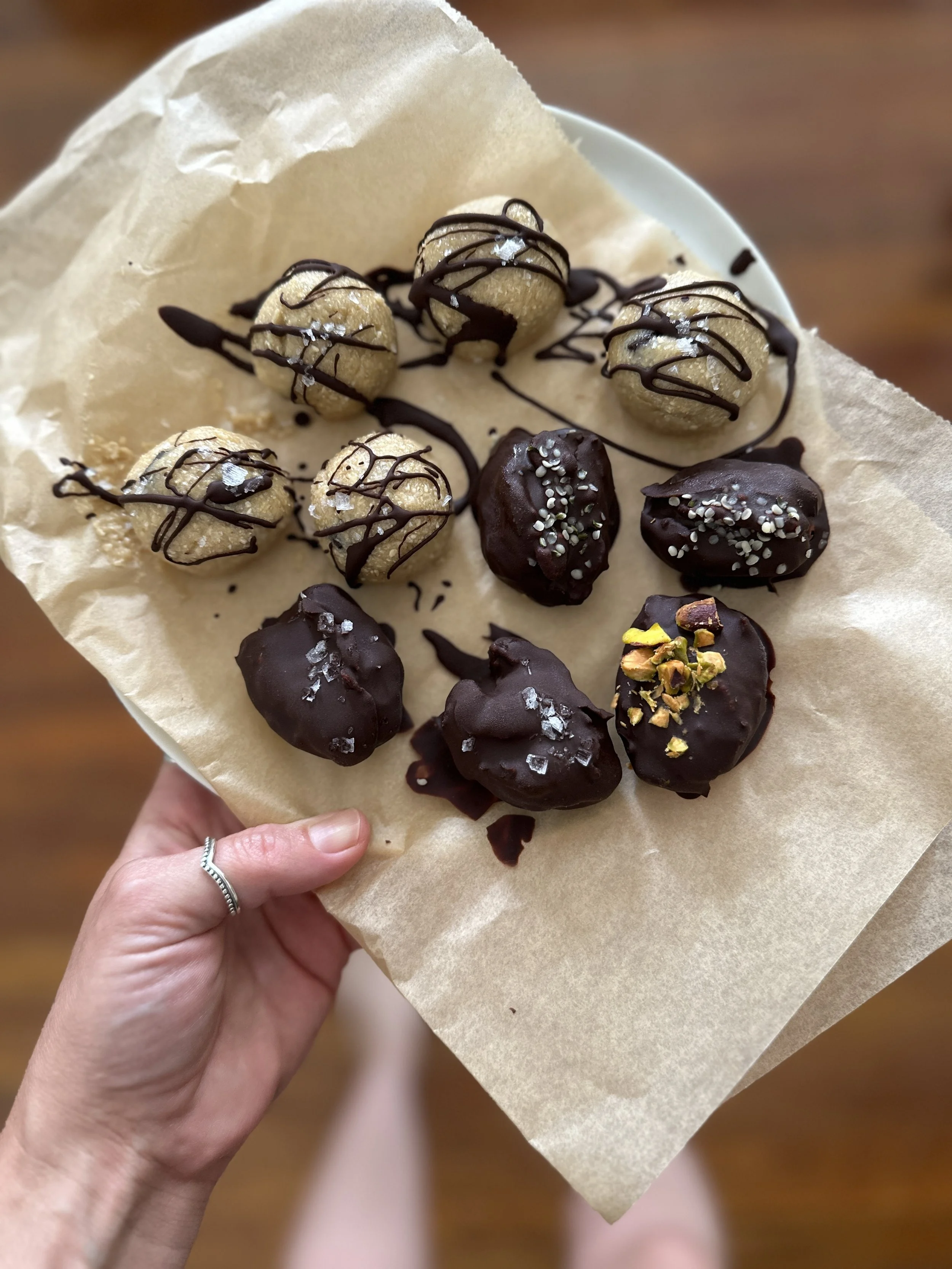
GLP-1 diet tip: always have a snack on hand!
Portable snacks make it easier to meet your nutritional needs when flights, road trips, sightseeing, or meetings disrupt regular meals.
Which portable snacks can help meet your nutritional needs?
Because GLP-1 medications can reduce hunger, you may unintentionally go several hours without eating. Keeping convenient snacks available can help you maintain energy and avoid consistently falling short on protein and overall nutrition.
Some travel-friendly snack options include:
Roasted chickpeas or edamame: Plant-based protein with fiber.
Nuts and seeds: Healthy fats, minerals, and some protein in small portions.
Protein bars: Convenient options when you don't have time for a meal.
Whole-grain crackers with nut butter: A combination of carbohydrates, fats, and plant-based protein.
Tuna or salmon pouches: Portable sources of protein for sandwiches or crackers.
Fresh fruit: Bananas, apples, and oranges offer fiber and hydration.
Shelf-stable protein shakes: Useful when solid food is less appealing, as long as you tolerate them well.
For refrigerated snacks, such as yogurt, cheese, or hard-boiled eggs, use a properly chilled insulated bag and follow food safety guidelines.
Choose snacks based on how you're feeling. If you’re feeling nauseated, plain crackers, toast, or a banana may be more comfortable than a high-fat or high-fiber snack.
Travel tip: Pack two or three snack options in your carry-on or day bag. Having something available can help prevent long periods without food, especially during travel delays.
How can you maintain hydration and regular eating habits while traveling?
Staying hydrated and maintaining a consistent eating routine are especially important while taking GLP-1 medications. Reduced appetite, digestive symptoms, warm weather, and long travel days can make it easier to fall behind on both food and fluids.
Dehydration may become a concern if you're experiencing nausea, vomiting, or diarrhea. Simple routines can help you stay comfortable and meet your nutrition goals.
A few habits can make a meaningful difference:
Carry a reusable water bottle. Sip fluids regularly throughout the day rather than waiting until you're thirsty.
Start your morning with breakfast. Even a small protein-rich meal can help establish a consistent routine.
Set gentle meal reminders. If hunger cues are reduced, consider planning eating opportunities every three to four hours while awake.
Include hydrating foods. Fruits, vegetables, soups, and yogurt can help meet your daily fluid needs.
Adjust for your destination. Hot climates, hiking, and extended outdoor activities may increase fluid needs.
Keep alcohol intake moderate. Alcohol may worsen dehydration and digestive discomfort, particularly when consumed without enough food.
Hydration needs vary depending on your activity level, health conditions, and environment. Your dietitian or healthcare provider can help determine what's appropriate for you.
Before departure, also review your medication schedule and storage requirements. Some GLP-1 medications require refrigeration or have specific limits on room-temperature storage. Follow your medication's prescribing information and ask your pharmacist about time-zone changes or travel supplies.
If you're unable to keep fluids down, experience persistent vomiting, or develop signs of dehydration, seek medical attention.
Frequently asked questions about traveling on glp-1 medications
-
Yes. You can enjoy restaurant meals while taking GLP-1 medications. Prioritize protein, add vegetables or fruit, and include carbohydrates and healthy fats based on your needs. Consider smaller portions if you experience early fullness, and eat slowly. You don't need to avoid your favorite foods entirely to maintain a balanced GLP-1 diet.
-
Good airport options include Greek yogurt, egg sandwiches, grilled chicken bowls, fruit, and protein-rich smoothies. Look for meals that combine protein with fiber-rich carbohydrates and produce. If your appetite is limited, consider purchasing a smaller meal and keeping a portable snack available for later in your journey.
-
Your eating schedule should reflect your appetite, tolerance, and nutritional needs. Many people find that small meals and snacks spaced roughly three to four hours apart work better than large meals (2). A flexible schedule can help you consume adequate protein and energy without feeling overly full.
-
If you experience mild nausea, try smaller meals, bland foods such as toast or crackers, and regular small sips of fluids. Avoiding large, greasy meals may also help. If nausea becomes persistent, prevents you from eating or drinking, or is accompanied by severe abdominal pain, contact a healthcare professional promptly.
-
Yes. Maintaining progress while traveling is possible without strict food rules or calorie tracking. Focus on balanced meals, adequate protein, hydration, enjoyable movement, and consistent eating habits. Travel is also an opportunity to practice flexibility and build sustainable behaviors that support your health beyond a structured routine.
Maintaining healthy eating habits while traveling
Traveling while taking GLP-1 medications doesn't mean putting your nutrition goals on hold. With a little preparation, you can enjoy new foods, maintain your energy, and support your health without following a rigid routine.
The foundation of a sustainable GLP-1 diet is simple: prioritize protein and nutrient-dense foods, keep convenient snacks available, stay hydrated, and eat regularly even when your appetite is reduced. Above all, remember that consistency matters more than perfection.
If you're looking for personalized guidance on managing nutrition while taking GLP-1 medications, I can help. As a registered dietitian specializing in GLP-1 nutrition support, the Mediterranean diet, and sustainable behavior change, I work with clients to build realistic eating habits that fit their everyday lives—including travel.
Ready to create a GLP-1 nutrition plan that works for your lifestyle? Book a free call to learn more about personalized 1:1 nutrition coaching.
Written by Francesca Monti
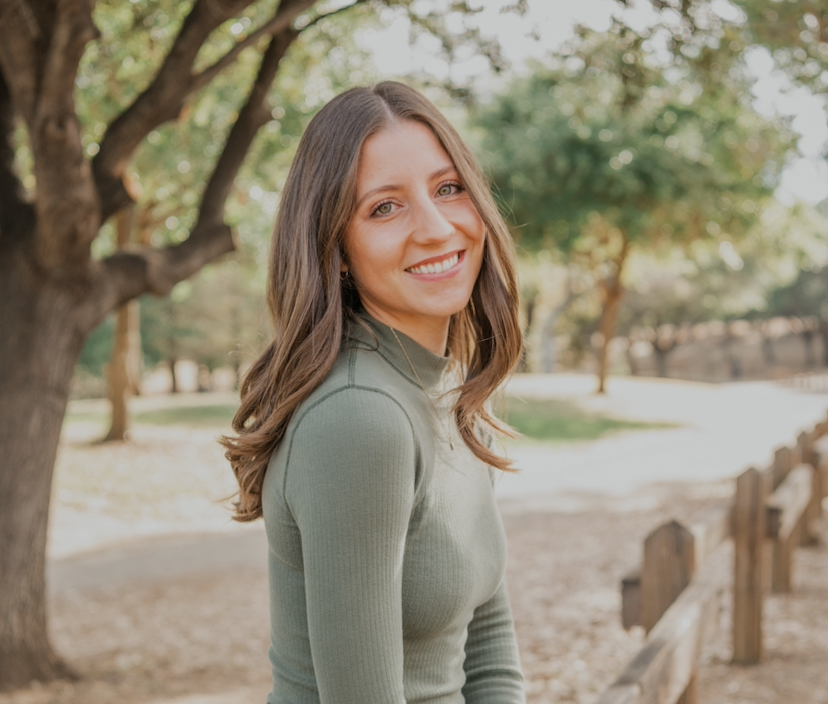
Francesca Monti, MA, RDN, is a registered dietitian who’s passionate about helping people develop a healthy and sustainable relationship with food. With a diverse professional background spanning private practice, hospitals, and sports nutrition, Francesca is well-equipped to guide clients with a wide range of nutritional needs, including managing diabetes, improving heart health, addressing digestive issues, and supporting overall wellness. Francesca specializes in the Mediterranean diet, GLP-1 nutrition, personalized nutrition plans, chronic disease management, general wellness, weight management, and sustainable behavior change. You can schedule a free consultation for 1:1 nutrition coaching with Francesca here.

This post was reviewed by Kelly Powers, MA, RDN. Kelly is a Registered Dietitian and Culinary Nutritionist who takes a holistic approach to nutrition and health. Kelly specializes in GLP-1 nutrition, the Mediterranean diet, women’s health, family nutrition, meal planning, and sustainable behavior change, helping her clients reach their health goals while improving their relationship with food. She’s also a nutrition consultant for health and tech startups, food companies, and brands she believes in. You can schedule a free consultation for 1:1 nutrition coaching with Kelly here.