
During GLP-1 weight loss, prioritizing protein, calcium, vitamin D, iron, and vitamin B12 helps preserve muscle mass, support bone health, and reduce the risk of nutritional deficiencies (1). Because GLP-1 medications decrease appetite and food intake, getting enough essential nutrients becomes especially important.
Medications like Wegovy, Ozempic, and Zepbound can make eating smaller portions easier, but your body's nutritional needs don't necessarily decrease as your appetite does. Choosing nutrient-dense foods and maintaining balanced eating habits can help protect your health throughout treatment (2).
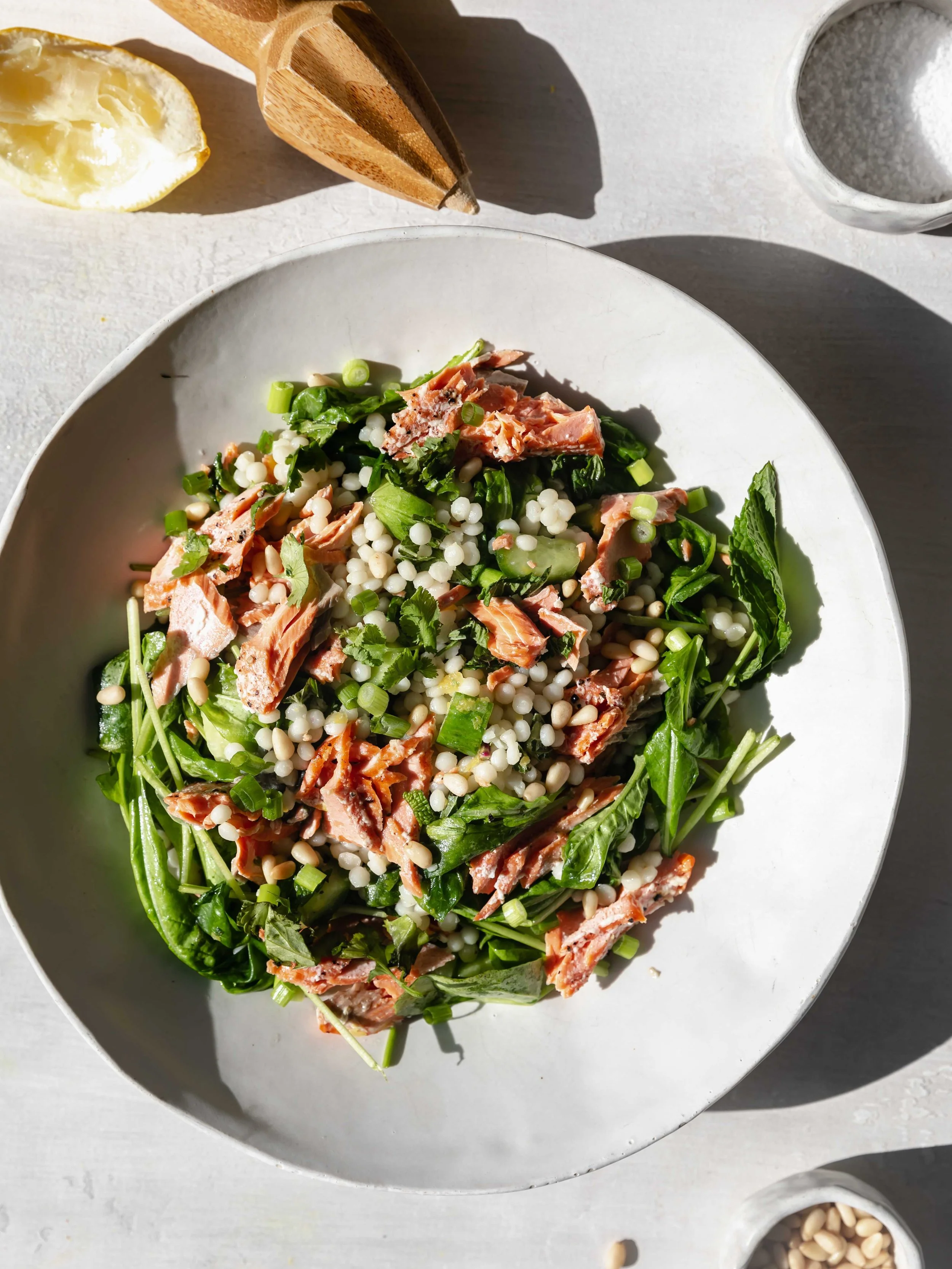
Build balanced meals with protein, carbs, fat, and fiber.
This may look like a plate with salmon, couscous, an extra virgin olive oil vinaigrette, arugula, and cucumber.
Which nutrients are important when calorie intake decreases?
When calorie intake decreases during GLP-1 weight loss, your body still needs adequate protein, vitamins, minerals, fiber, and healthy fats to function properly. Consistently eating too little can make it hard to meet these nutritional needs.
GLP-1 medications can reduce hunger and increase feelings of fullness, sometimes leading to skipped meals or limited food variety.
According to a 2025 clinical advisory published in the American Journal of Clinical Nutrition, nutrition support during GLP-1 treatment should prioritize preventing nutrient deficiencies and preserving muscle and bone health.
The most important nutrients to focus on include:
Protein: Helps preserve muscle mass and maintain strength during weight loss.
Calcium: Supports bone strength, nerve function, and muscle contractions.
Vitamin D: Helps the body absorb calcium and maintain healthy bones.
Iron: Supports oxygen transport and red blood cell production.
Vitamin B12: Supports nerve health and red blood cell formation.
Fiber: Promotes digestive health and regular bowel movements.
Healthy fats: Support cell function and help the body absorb fat-soluble vitamins.
Rather than focusing only on eating fewer calories, prioritize foods that deliver the most nutrition in manageable portions.
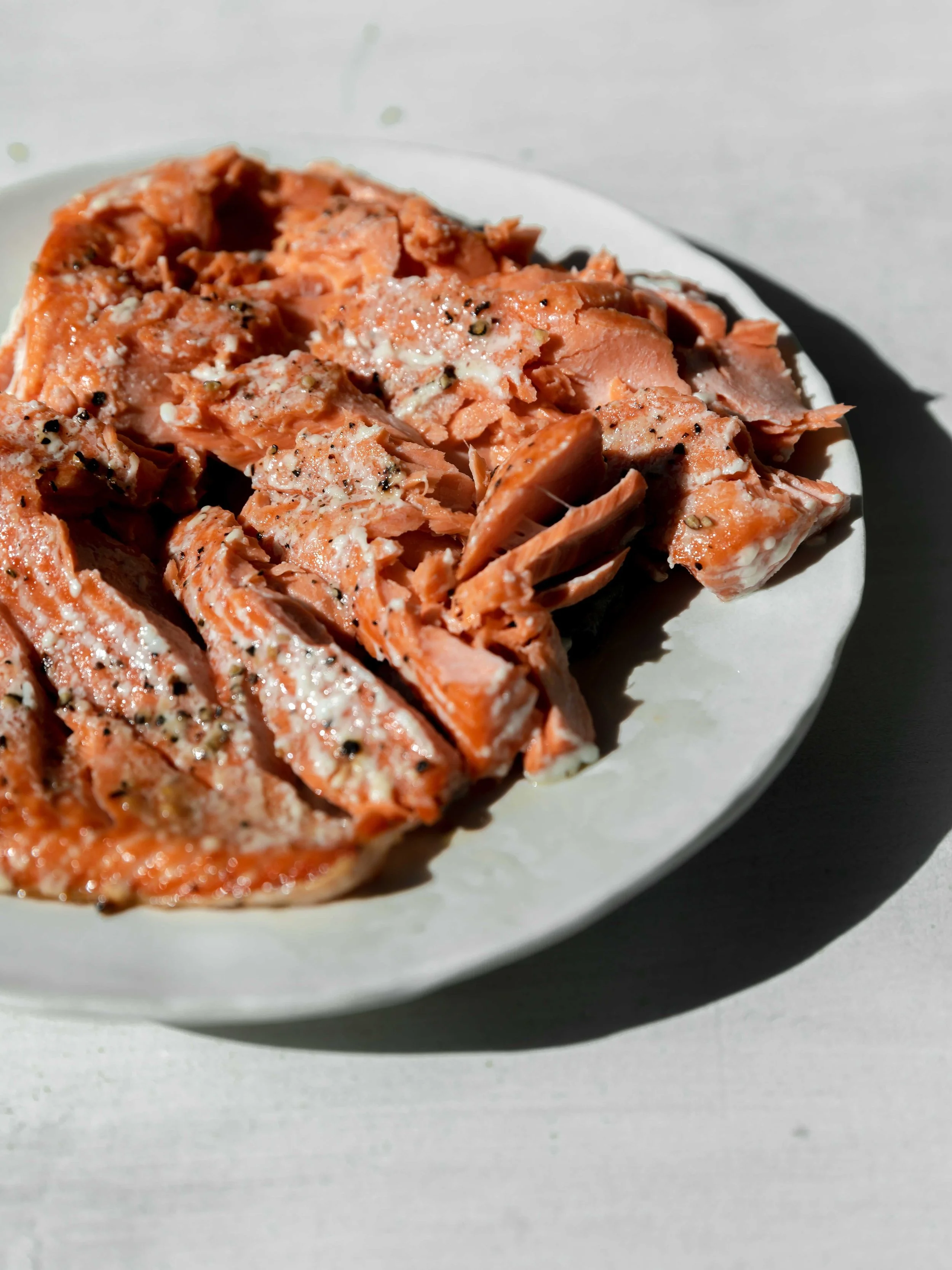
Salmon is a high-quality protein packed with healthy fat.
If you eat fish, aim to incorporate it weekly.
How do protein, calcium, vitamin D, iron, and vitamin B12 support health?
These five nutrients play essential roles in maintaining your health during weight loss. Understanding their benefits can help you make more intentional food choices while taking GLP-1 medications.
Protein: preserving muscle mass
Protein is particularly important during GLP-1 weight loss because losing weight can involve losing both body fat and lean muscle (3).
Adequate protein intake, combined with resistance training, helps maintain muscle mass, strength, and physical function (4).
Protein-rich foods include Greek yogurt, eggs, fish, poultry, cottage cheese, tofu, and legumes.
Your individual protein requirements depend on factors such as age, activity level, body composition, and medical history.
Calcium and vitamin D: protecting bone health
Calcium and vitamin D work together to support bone strength and healthy muscle function.
Calcium helps maintain bone structure, while vitamin D supports calcium absorption. Both are particularly important during significant weight loss, when changes in body composition may affect bone health (5).
Include calcium-rich foods such as yogurt, milk, fortified plant-based beverages, and calcium-set tofu. Fatty fish, fortified dairy products, and egg yolks provide vitamin D.
Iron: supporting energy levels
Iron is essential for producing hemoglobin, which carries oxygen throughout the bloodstream.
Inadequate iron intake can contribute to iron-deficiency anemia, potentially causing fatigue, weakness, and reduced exercise tolerance.
Good sources include lean meats, seafood, lentils, beans, tofu, and fortified cereals.
Pairing plant-based iron sources with vitamin C-rich foods, such as bell peppers or citrus fruits, can improve iron absorption.
Vitamin B12: supporting nerve health
Vitamin B12 supports neurological function, DNA production, and healthy red blood cell formation.
Low vitamin B12 levels can lead to anemia, fatigue, and neurological symptoms, including numbness or tingling.
Foods containing vitamin B12 include fish, eggs, meat, dairy products, and fortified foods.
Individuals following vegan diets or taking medications such as metformin may have a higher risk of deficiency and benefit from additional monitoring.
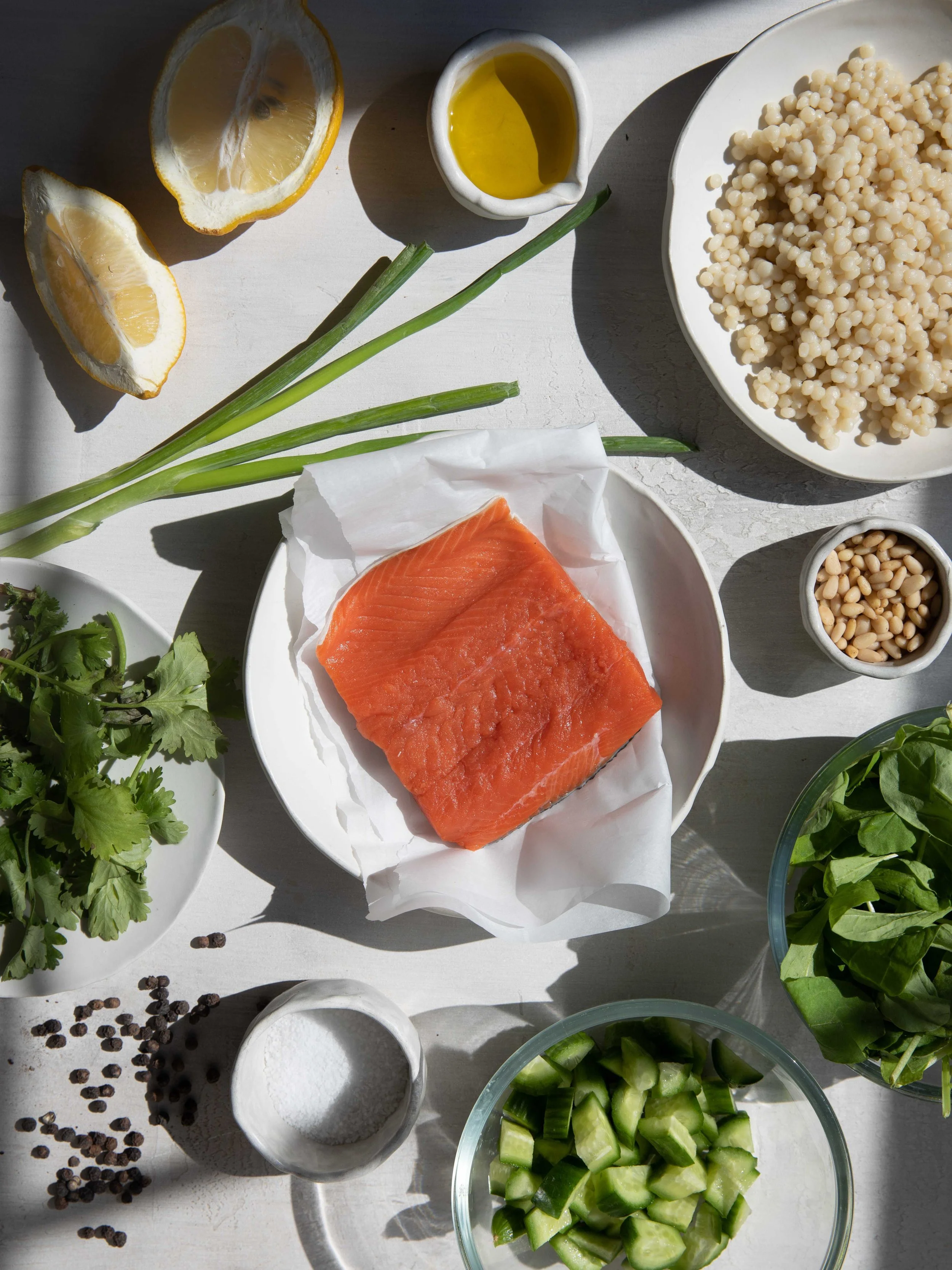
Aim for variety and select nutrient-dense foods.
Try incorporating a new food weekly or as able.
Which foods can help meet daily nutritional requirements?
Nutrient-dense foods help you meet your nutritional needs without requiring large portions, making them particularly useful during GLP-1 treatment.
A Mediterranean-style eating pattern provides a practical foundation by emphasizing whole foods, lean proteins, vegetables, fruits, legumes, whole grains, and healthy fats.
Consider these simple meal combinations:
Greek yogurt with berries and chia seeds: Provides protein, calcium, and fiber.
Salmon with quinoa and roasted vegetables: Offers protein, vitamin D, and healthy fats.
Eggs with whole-grain toast: Supplies protein, vitamin B12, and complex carbohydrates.
Lentil soup with spinach: Provides plant-based protein, iron, and fiber.
Cottage cheese with fruit: Offers protein and calcium in a manageable portion.
If your appetite is low, smaller meals and snacks throughout the day may feel more comfortable than large meals.
Smoothies made with Greek yogurt, milk, fruit, and nut butter can also provide several essential nutrients when eating solid foods feels difficult.
Focus on including protein at meals, eating a variety of colorful produce, and staying hydrated.
When should you check for nutritional deficiencies during GLP-1 weight loss?
Healthcare professionals may recommend checking for nutritional deficiencies if you experience persistent low appetite, rapid weight loss, prolonged digestive symptoms, or signs of inadequate nutrition.
Although GLP-1 medications don't automatically cause deficiencies, consistently eating too little can increase your risk (6).
Possible warning signs include:
Persistent fatigue or weakness
Dizziness or reduced exercise tolerance
Numbness or tingling in the hands or feet
Unexplained anemia
Ongoing vomiting or difficulty eating
A history of nutritional deficiencies
Depending on your symptoms and medical history, your healthcare provider may recommend blood tests to evaluate iron status, vitamin B12, or vitamin D levels.
Not everyone requires routine testing or supplementation. Working with a registered dietitian can help identify potential nutritional gaps and determine when further medical evaluation may be appropriate.
Frequently asked questions about GLP-1 weight loss and nutrition
-
Protein is a major nutritional priority because it helps preserve muscle mass during weight reduction (4). However, calcium, vitamin D, iron, vitamin B12, and fiber are also important (5). A balanced eating plan should address your overall nutritional needs rather than focusing on a single nutrient.
-
Not everyone taking GLP-1 medications needs vitamin supplements. However, supplementation may be appropriate for individuals with nutritional deficiencies, restricted diets, or consistently inadequate food intake. A healthcare professional can recommend supplements based on your dietary habits, medical history, and laboratory results.
-
GLP-1 medications may indirectly increase the risk of nutritional deficiencies by reducing appetite and overall food intake (6). Eating smaller portions or skipping meals regularly can make meeting daily nutritional requirements more difficult. Prioritizing nutrient-dense foods and monitoring dietary intake can help reduce this risk.
-
Focus on smaller, nutrient-dense meals that include protein, fiber, and healthy fats. Foods such as Greek yogurt, eggs, fish, lentils, and smoothies provide essential nutrients in manageable portions. If persistent nausea or fullness prevents adequate eating, speak with your healthcare provider.
Supporting long-term health during GLP-1 weight loss
Successful GLP-1 weight loss involves more than reducing calories. Adequate protein, calcium, vitamin D, iron, and vitamin B12 help protect muscle mass, maintain bone health, and support essential bodily functions. Choosing nutrient-dense foods, maintaining consistent eating habits, and monitoring potential deficiencies can help support your long-term health.
At Kelly E. Powers Nutrition, we provide personalized GLP-1 nutrition counseling rooted in whole foods, Mediterranean-style eating, and sustainable behavior change.
Ready to build a balanced nutrition plan to support your weight loss goals? Schedule a free call to learn more about working with a registered dietitian.
Written by Francesca Monti

Francesca Monti, MA, RDN, is a registered dietitian who’s passionate about helping people develop a healthy and sustainable relationship with food. With a diverse professional background spanning private practice, hospitals, and sports nutrition, Francesca is well-equipped to guide clients with a wide range of nutritional needs, including managing diabetes, improving heart health, addressing digestive issues, and supporting overall wellness. Francesca specializes in the Mediterranean diet, GLP-1 nutrition, personalized nutrition plans, chronic disease management, general wellness, weight management, and sustainable behavior change. You can schedule a free consultation for 1:1 nutrition coaching with Francesca here.

This post was reviewed by Kelly Powers, MA, RDN. Kelly is a Registered Dietitian and Culinary Nutritionist who takes a holistic approach to nutrition and health. Kelly specializes in GLP-1 nutrition, the Mediterranean diet, women’s health, family nutrition, meal planning, and sustainable behavior change, helping her clients reach their health goals while improving their relationship with food. She’s also a nutrition consultant for health and tech startups, food companies, and brands she believes in. You can schedule a free consultation for 1:1 nutrition coaching with Kelly here.