

GLP-1 Diet, Nutrition and Healthy Weight Loss
Practical, evidence-based guidance on what to eat, how to plan balanced meals, and how to nourish your body while taking GLP-1 medications.
Lorem Ipsum
I suggest having short summary or text here
1. GLP-1 Diet: What to Eat, Meal Plans & Best Foods
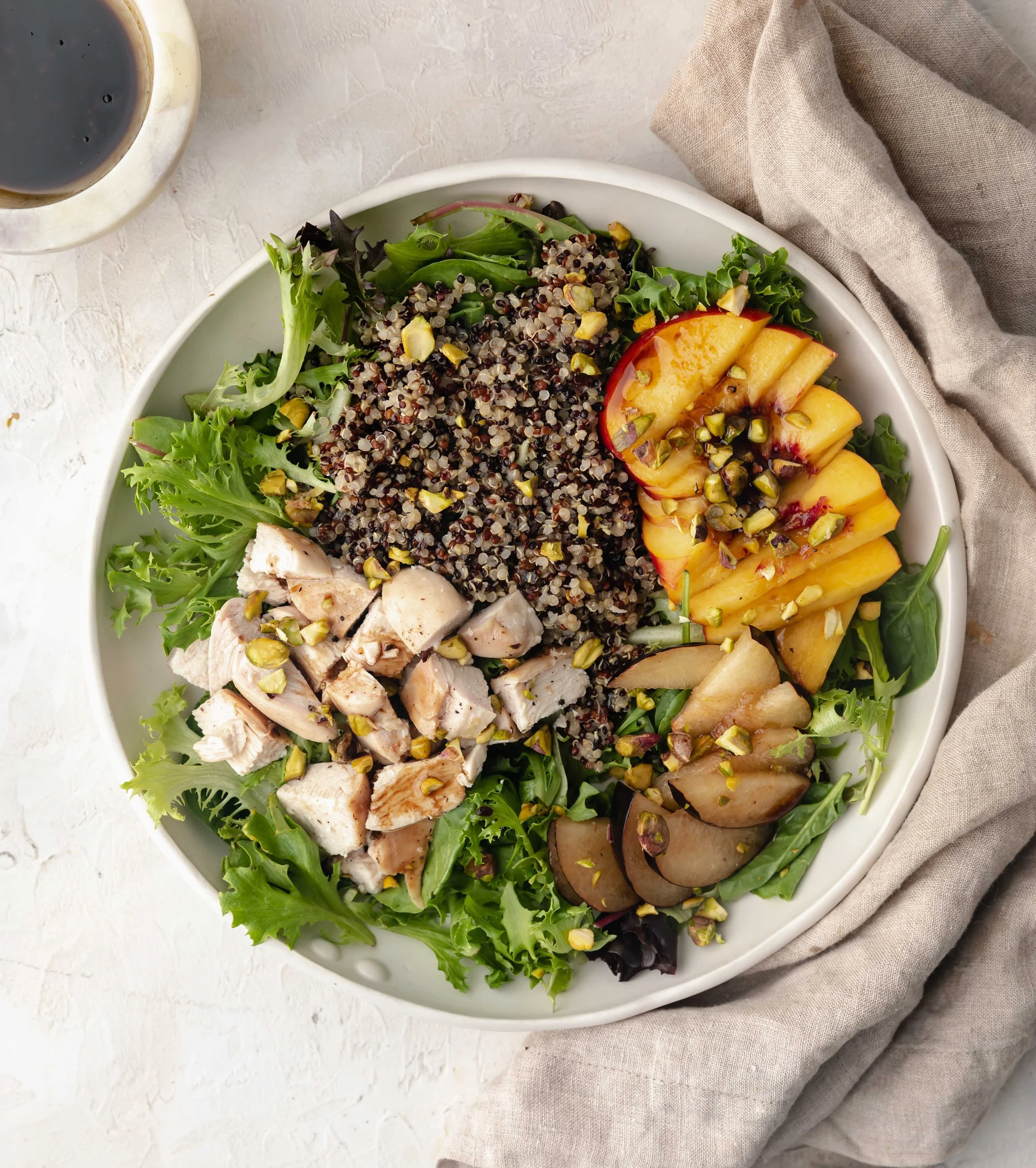
A GLP-1 diet is a flexible way of eating that supports your nutrition needs while taking GLP-1 medications that reduce hunger and increase fullness. There is no single prescribed diet; the goal is to make smaller meals balanced, satisfying, and nutrient-dense.
What should you eat on a GLP-1?
Start with protein-rich foods such as eggs, Greek yogurt, fish, poultry, tofu, or lentils to help preserve muscle during weight loss. Add vegetables or fruit, fiber-rich carbohydrates like oats or quinoa, and healthy fats such as olive oil, avocado, or nuts. Drink fluids consistently, especially if constipation is an issue.
If nausea or early fullness makes eating difficult, try smaller, simpler meals and adjust portions to your comfort. Large, greasy meals may worsen digestive symptoms, but no food needs to be universally off-limits. The best approach fits your health needs, preferences, and lifestyle.
2. GLP-1 Nutrition: A Complete Guide to Eating Well on GLP-1s
GLP-1 nutrition is about meeting your body's needs even when medication makes you less hungry. Eating less can support weight loss, but it may also mean getting less protein, fiber, fluids, and essential vitamins and minerals.
Which nutrients matter most on GLP-1?
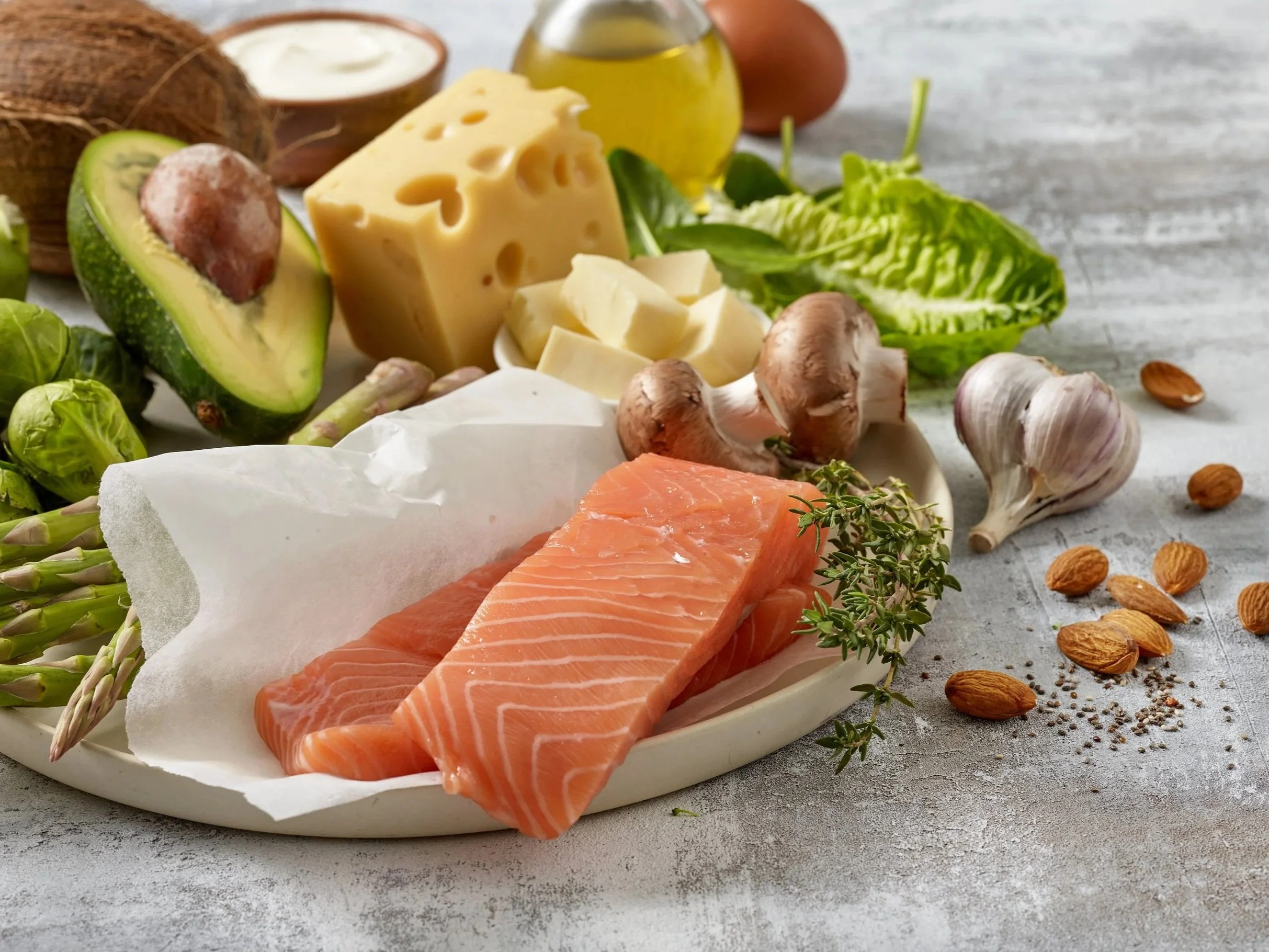
Prioritize protein at meals and snacks, and pair it with resistance training to help maintain muscle. Include fruits, vegetables, beans, whole grains, and healthy fats to support digestion, energy, and overall health. Sip water throughout the day, and increase fiber gradually if constipation is a concern.
If nausea limits your meals, choose small, nutrient-rich options such as Greek yogurt, eggs, smoothies, or soup. Supplements aren't automatically necessary; individual needs depend on your food intake and medical history. Over time, focus on repeatable habits that nourish your body through treatment, dose changes, and beyond.
3. GLP-1 Meal Plans: A Complete Guide to Planning Meals on GLP-1s
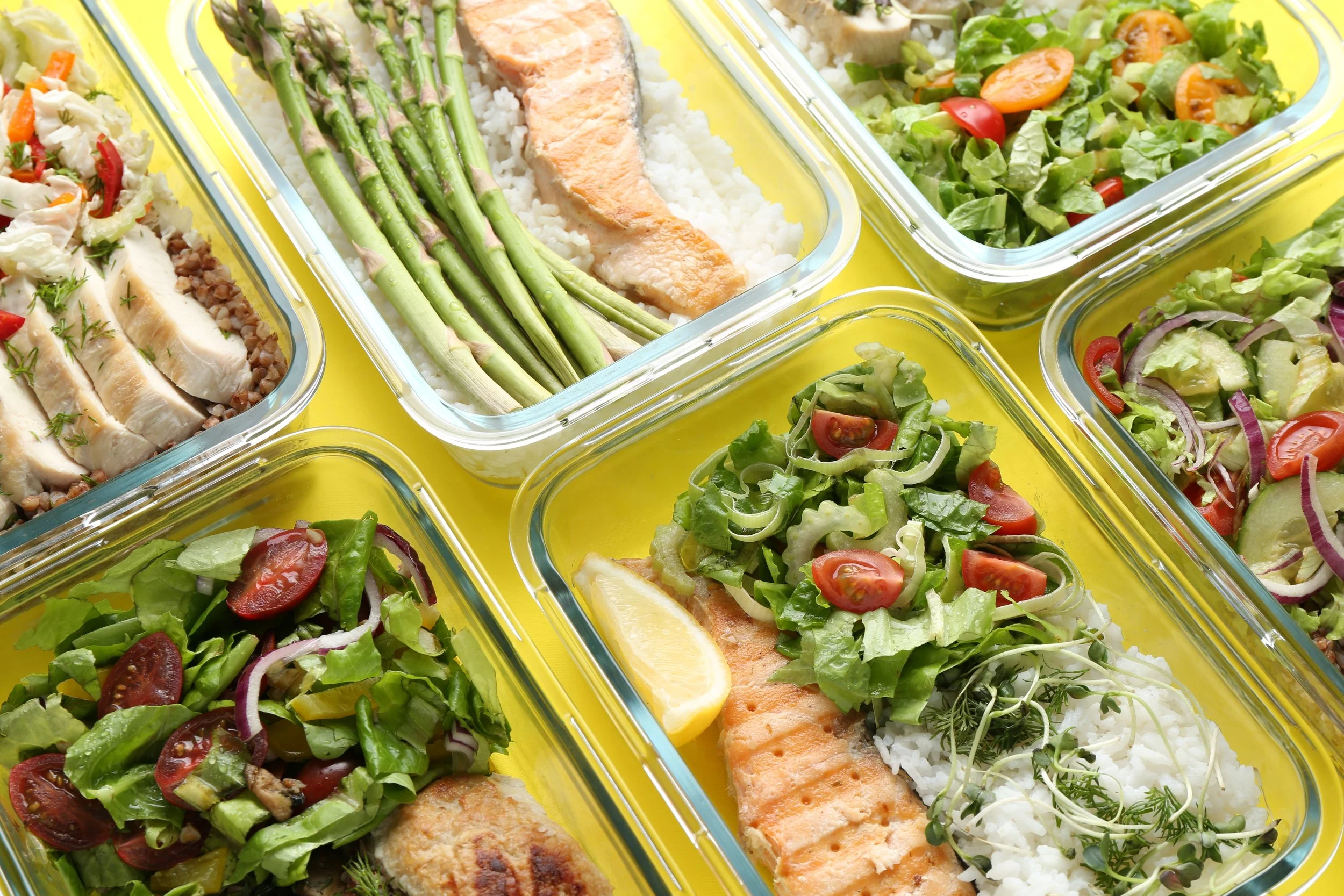
A GLP-1 meal plan typically includes smaller, balanced meals built around protein, produce, fiber-rich carbohydrates, healthy fats, and fluids. It should be flexible enough to accommodate reduced appetite, earlier fullness, and occasional digestive symptoms.
How do you plan meals while taking a GLP-1?
Choose two easy breakfasts, two lunches, and a few simple dinners with overlapping ingredients. For example, you might have Greek yogurt with fruit for breakfast, lentil soup with whole-grain toast for lunch, and salmon with quinoa and vegetables for dinner.
Prepare ingredients such as cooked proteins, grains, and vegetables in advance rather than relying on large, pre-portioned meals. Keep a low-effort backup, like eggs and toast or a smoothie, for days when nausea is more noticeable. Adjust portions based on your appetite without sacrificing essential nutrition. A realistic plan should work with your schedule and remain enjoyable.

4. GLP-1 Foods: Best Foods to Eat and What to Avoid
GLP-1 foods are everyday, nutrient-dense foods that help you eat well when your appetite is smaller. No special product or single food improves how GLP-1 medication works; the best choices deliver useful nutrition in portions you can comfortably tolerate.
What are the best foods to eat on GLP-1?
Build meals around protein from eggs, fish, chicken, Greek yogurt, cottage cheese, tofu, or beans. Include fruits, vegetables, whole grains, potatoes, and other fiber-rich carbohydrates for energy and digestive health, plus olive oil, avocado, nuts, or seeds for healthy fats.
Smoothies, soups, cooked vegetables, and softer foods may be easier when you're feeling full quickly. There is no universal list of forbidden foods, although large, fried, or greasy meals can worsen nausea or reflux. Notice your personal tolerance and aim for variety rather than strict food rules.
5. GLP-1 Weight Loss: A Complete Guide to Losing Weight With GLP-1s
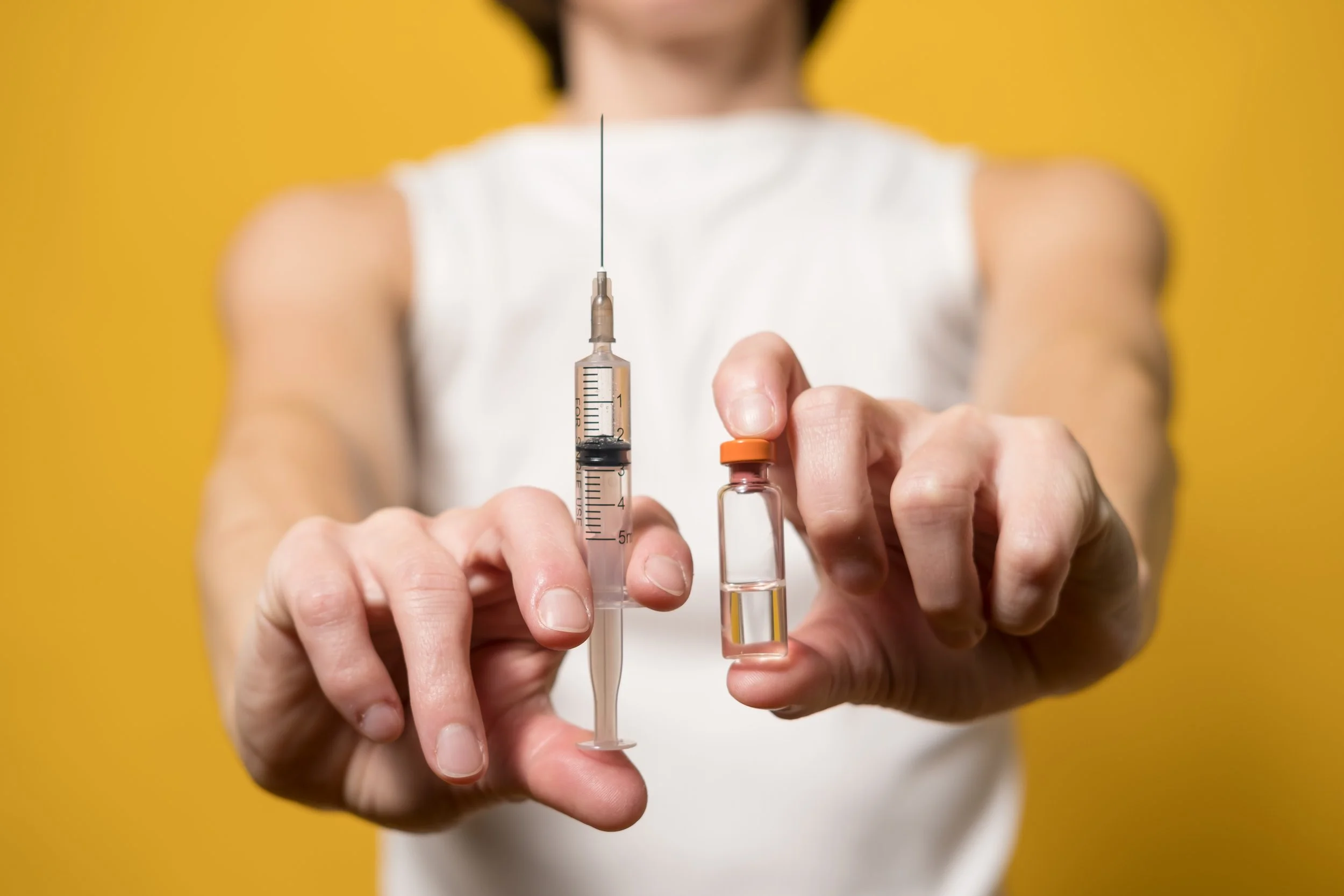
GLP-1 medications can support weight loss by reducing hunger, increasing fullness, and helping people eat less. Results vary, and lasting progress involves more than medication or the number on the scale.
How can you support healthy, lasting weight loss on GLP-1?
Choose balanced meals that supply enough protein, fiber, healthy fats, vitamins, and minerals even when portions are smaller. Pair adequate nutrition with resistance exercise to help preserve muscle and strength.
Weight loss may slow, fluctuate, or plateau, so track changes in energy, strength, health markers, and daily functioning as well as weight. Make everyday habits manageable by keeping simple meals available, staying hydrated, and planning for busy weeks or eating out.
Because appetite can increase and weight regain may occur after stopping medication, work with your healthcare team on a long-term plan that can adapt as your needs change.
Frequently Asked Questions About GLP-1 Diet, Nutrition & Weight Loss
-
There is no single prescribed GLP-1 diet. A Mediterranean-style eating pattern emphasizing protein, vegetables, fruits, whole grains, legumes, and healthy fats is a great foundation. Focus on balanced, nutrient-dense meals that support your health while accommodating reduced appetite and smaller portions.
-
The best GLP-1 foods provide essential nutrients in manageable portions. Prioritize protein-rich foods such as eggs, Greek yogurt, cottage cheese, fish, chicken, tofu, and beans. Include fiber-rich vegetables, fruits, whole grains, and healthy fats such as extra virgin olive oil, avocado, nuts, and seeds.
-
Protein needs vary depending on your age, body size, activity level, health history, and weight-loss goals. Including protein at each meal and snack can help support muscle maintenance, especially when combined with regular resistance training. A registered dietitian can help determine your individual protein needs.
-
A GLP-1 meal plan includes smaller, balanced meals with protein, fiber-rich carbohydrates, vegetables or fruit, and healthy fats. For example, breakfast might include cottage cheese with berries and nuts, lunch could be lentil soup with a dollop of Greek yogurt and whole-grain toast, and dinner might be salmon or chicken with brown rice and cooked vegetables. Portions should be adjusted based on your appetite and tolerance.
-
There are no universally prohibited foods, but large, greasy, fried, or particularly rich meals may worsen nausea, reflux, or digestive discomfort. Eating smaller portions and limiting foods that trigger symptoms can help you feel more comfortable while maintaining a balanced diet.
-
Prioritize adequate protein throughout the day and incorporate regular resistance or strength training. Weight loss can include reductions in both body fat and lean tissue, so maintaining sufficient nutrition and physical activity is important for preserving muscle mass, strength, and long-term health.
-
Smaller, more frequent meals and mild, lower-fat foods may help manage nausea and early fullness. Gradually increasing fiber and drinking adequate fluids can support regular bowel movements. If symptoms are severe or persistent, consult your healthcare provider.
-
Weight regain is common after discontinuing GLP-1 medications because their effects on hunger and fullness may diminish. Building sustainable nutrition, exercise, and lifestyle habits during treatment can support long-term weight management. Work with your healthcare team to develop a personalized plan for maintaining progress, whether you continue, adjust, or discontinue medication.


Meet your Registered Dietitians.
Hi, we're Kelly and Francesca — The Mediterranean Diet Dietitians™. We specialize in women's health, family nutrition, GLP-1 nutrition, personalized nutrition plans, and sustainable behavior change.
We each hold a master’s degree in Food Studies and a bachelor’s degree in Nutrition and Dietetics. We're also Registered Dietitians with Graduate Certificates in Dietetics. Our mission is to help others find pleasure in cooking and eating — all while creating a life they can maintain.
We look forward to supporting you.