
glp-1 support and muscle loss: how to protect lean mass during weight loss
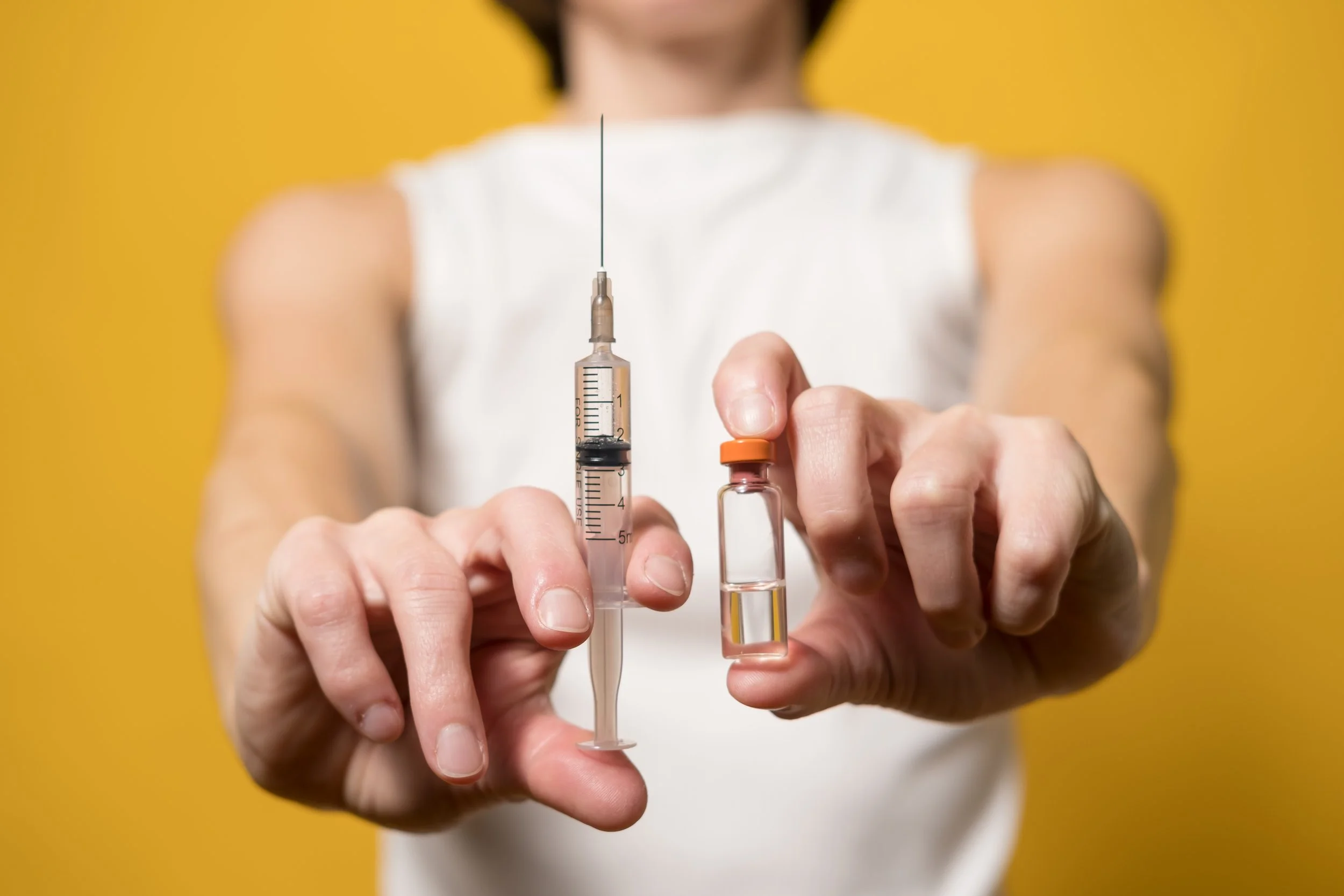
GLP-1 medications can be highly effective for weight loss, but losing weight can also mean losing some lean mass — including muscle. The goal of good GLP-1 support isn't simply to make the number on the scale go down. It's to help you lose weight while preserving strength, meeting your nutritional needs, and supporting your long-term health.
Research on medications such as semaglutide (1) and tirzepatide (2) shows that most weight lost is generally fat mass, but some lean mass is lost as well. Fortunately, nutrition and exercise habits can help protect lean mass and muscle throughout the weight-loss process.
What causes muscle loss on glp-1 medications?
Muscle loss isn't unique to GLP-1 medications. Some loss of lean mass commonly occurs whenever someone loses a significant amount of body weight, particularly when weight loss happens quickly or calorie intake drops substantially.
GLP-1 medications can reduce appetite and food intake, which is part of how they support weight loss. Semaglutide also delays gastric emptying, which can contribute to feeling full for longer. When portions become much smaller, however, it can become harder to eat enough protein, calories, and other essential nutrients.
Several factors may contribute to lean-mass loss during GLP-1-assisted weight loss:
A significant calorie deficit: Eating substantially less energy gives the body fewer resources to maintain tissue.
Inadequate protein intake: Smaller meals can make it difficult to consume enough protein.
Rapid weight loss: Greater overall weight loss can include losses of both fat and lean tissue.
Less resistance exercise: Without regularly challenging muscles, the body has less reason to maintain them.
Skipping meals: Reduced appetite may lead to long stretches without meaningful protein intake.
Nausea or early fullness: Gastrointestinal symptoms may further limit food intake for some people.
For perspective, a DXA substudy of the SURMOUNT-1 trial found that approximately 75% of weight lost with tirzepatide came from fat mass and about 25% from lean mass (2). Semaglutide studies have also documented reductions in both fat and lean mass during substantial weight loss (1).
Importantly, lean mass isn't exactly the same thing as skeletal muscle. Measurements such as DXA include other lean tissues and body water, so a decline in measured lean mass shouldn't automatically be interpreted as an equal amount of muscle loss.
Takeaway: Some lean-mass loss is expected with significant weight loss. The objective isn't necessarily to prevent every pound of lean tissue from being lost, but to prioritize habits that preserve muscle, strength, and physical function as much as possible.
Why is protein intake critical while taking glp-1s?
Protein provides the amino acids your body needs to maintain and repair muscle tissue. During weight loss, getting adequate protein becomes particularly important because your body is operating with less overall energy.
This is where individualized GLP-1 support can make a major difference. Simply telling someone to "eat less" doesn't address whether the food they are able to eat is supplying enough protein and other nutrients.
A 2025 joint advisory from several leading obesity, nutrition, and lifestyle medicine organizations specifically identifies preservation of muscle and bone as an important nutritional priority during GLP-1 therapy. The guidance emphasizes adequate dietary protein together with resistance training rather than relying on protein alone (3).
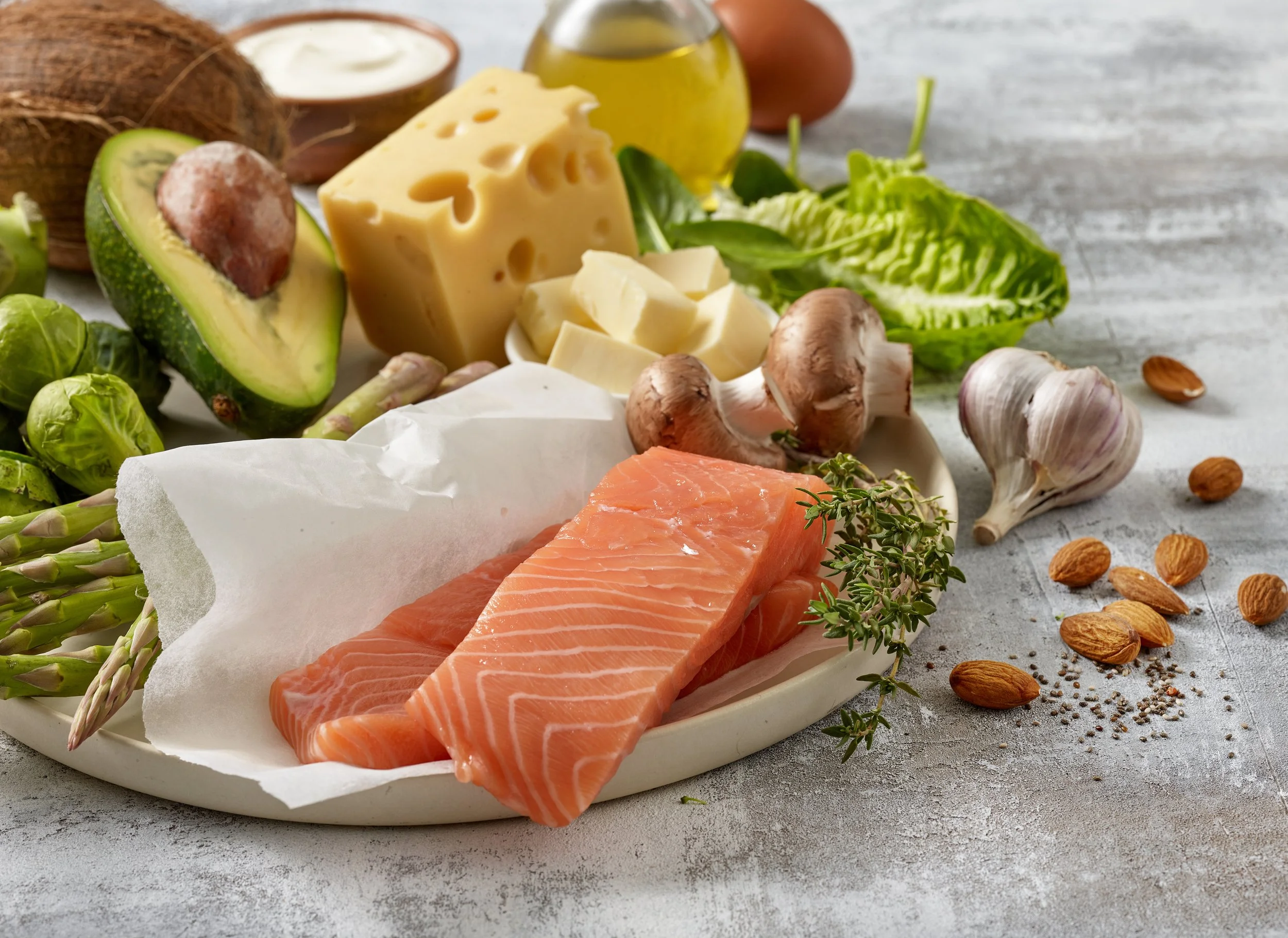
Protein-rich foods can include:
Fish and seafood
Chicken and turkey
Eggs
Greek yogurt and cottage cheese
Tofu, tempeh, and edamame
Beans and lentils
Lean meats
Protein-rich smoothies when solid foods are difficult to tolerate
For someone following a Mediterranean-style eating pattern, there are plenty of ways to combine adequate protein with vegetables, whole grains, legumes, seafood, nuts, seeds, olive oil, and other nutrient-rich foods.
How much protein do you need on a glp-1?
There isn't one protein target that's right for everyone taking a GLP-1 medication. Protein needs can differ based on body size, age, activity level, health history, rate of weight loss, kidney function, and other factors.
Some clinical recommendations for preserving lean mass during intentional weight loss suggest protein intakes above the standard minimum allowance, particularly when combined with resistance training (4). A registered dietitian can calculate an appropriate target rather than relying on a generic number from social media or an online calculator.
More protein also isn't automatically better. The goal is adequate, consistently distributed protein within an overall balanced eating pattern.
Where do most people fall short on protein each day?
One of the biggest challenges isn't always total protein intake — it's when protein is eaten.
Research suggests that protein intake is often skewed toward the evening meal, with adults consuming substantially more protein at dinner than at breakfast (5). In practice, that can mean someone eats a protein-rich entrée such as chicken or fish at dinner while consuming relatively little protein earlier in the day.
When you're taking a GLP-1 medication, this pattern can become even more pronounced. If your appetite is already reduced, waiting until dinner to consume most of your protein can make reaching an appropriate daily intake difficult.
Common places people fall short include:
Breakfast: Coffee and toast, fruit, or oatmeal without a significant protein source
Lunch: A light salad without enough beans, fish, chicken, tofu, eggs, or another protein
Snacks: Crackers, fruit, or sweets alone instead of pairing them with protein
Very small meals: Eating only a few bites because fullness arrives quickly
Skipped meals: Going most of the day without eating because hunger cues are muted
Instead of trying to "catch up" with a huge steak or protein shake at night, think about giving protein a place at each meal and snack you can comfortably tolerate.
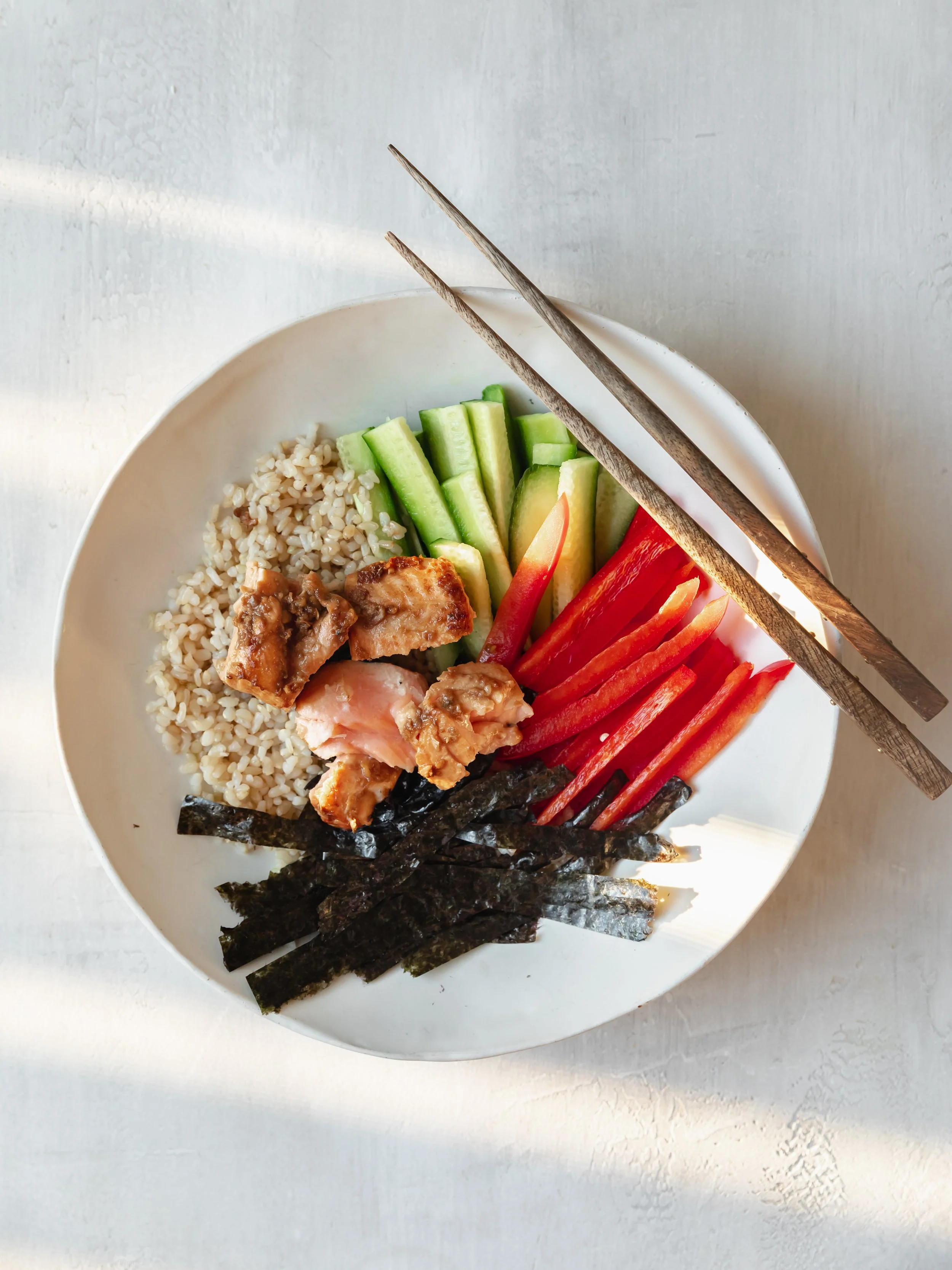
For example, breakfast might include Greek yogurt with berries and walnuts, lunch could be lentil soup with a side of cottage cheese, and dinner could include salmon with vegetables and roasted potatoes. A snack might be an apple with peanut butter or edamame with sea salt.
Takeaway: Consistency matters. Spreading protein-containing foods throughout the day can make adequate intake much more manageable when appetite and meal size are reduced.

How can you protect muscle while losing weight on a glp-1?
Protecting muscle requires more than adding a protein shake. The strongest approach combines nutrition with movement (3).
1. Prioritize protein at meals
When appetite is limited, start meals with nutrient-dense foods. Make sure a meaningful protein source is present before filling up on lower-protein foods.
2. Don't let "not hungry" turn into chronic under-eating
GLP-1 medications can change hunger dramatically. That doesn't mean your body's nutritional requirements disappear.
If you're routinely struggling to eat enough because of nausea, fullness, or other symptoms, discuss this with your prescribing clinician and dietitian rather than simply accepting extremely low food intake.
3. Add resistance training
Strength training gives the body a reason to preserve muscle tissue. The joint advisory on nutrition during GLP-1 therapy emphasizes resistance exercise alongside adequate protein for maintaining lean mass.
This could include weights, resistance bands, machines, or appropriately challenging body-weight exercises. Your starting point should match your current fitness and medical needs.
4. Build meals around nutrient density
With less room for food, quality matters. Instead of trying to eat the smallest number of calories possible, prioritize foods that provide protein, fiber, healthy fats, vitamins, and minerals.
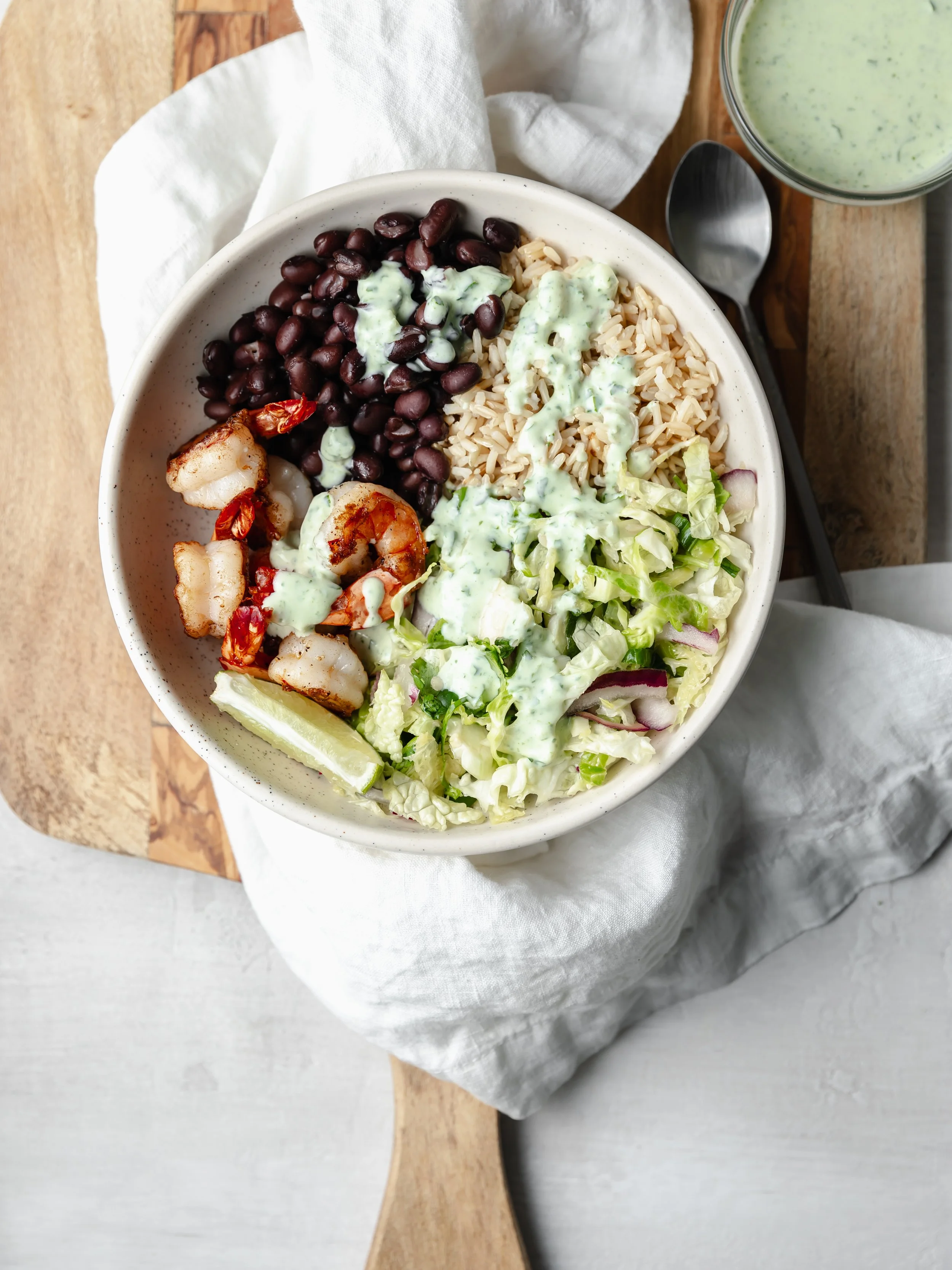
A Mediterranean-style pattern works particularly well here: seafood, beans, lentils, yogurt, eggs, vegetables, fruit, whole grains, nuts, seeds, and olive oil can all contribute valuable nutrition.
5. Get individualized nutrition guidance
GLP-1 medications change appetite, portions, food preferences, gastrointestinal tolerance, and sometimes the practical rhythm of eating. Those changes can require more — not less — attention to nutrition.
Good GLP-1 support should help you determine what you need, identify gaps, manage side effects, and create an eating pattern you can maintain beyond the active weight-loss phase.
Frequently asked questions about glp-1s and muscle loss
-
GLP-1 medications can be associated with a reduction in lean mass during weight loss, but they don't exclusively cause muscle loss. Losing lean tissue is a common part of significant weight reduction regardless of the method used. Clinical trials show that GLP-1-based therapies generally produce substantially greater losses of fat mass than lean mass (1, 2) .
-
-
Protein shakes aren't required, but they can be useful if reduced appetite or early fullness makes it difficult to meet your needs through meals. Whole foods can provide protein along with other important nutrients, so shakes are best viewed as one convenient option rather than something everyone taking a GLP-1 needs.
-
-
Yes. Resistance training is one of the most important lifestyle strategies for supporting muscle during weight loss. Current expert guidance for people receiving GLP-1 therapy recommends pairing adequate protein intake with regular strength training to help preserve lean mass (4).
The bottom line: glp-1 support should focus on more than the scale
Successful weight loss isn't simply about losing as much weight as possible. Preserving muscle, maintaining strength, eating enough nutrient-dense food, and developing sustainable habits are important parts of protecting your health along the way.
Thoughtful GLP-1 support can help you prioritize protein, build balanced meals despite a smaller appetite, incorporate resistance exercise, and make sure weight loss doesn't come at the expense of adequate nutrition.
If you're taking a GLP-1 medication and aren't sure whether you're getting enough protein — or you're struggling to eat well with a reduced appetite — schedule a discovery call to learn how personalized nutrition counseling can support you throughout your GLP-1 journey.
Written by Francesca Monti

Francesca Monti, MA, RDN, is a registered dietitian who’s passionate about helping people develop a healthy and sustainable relationship with food. With a diverse professional background spanning private practice, hospitals, and sports nutrition, Francesca is well-equipped to guide clients with a wide range of nutritional needs, including managing diabetes, improving heart health, addressing digestive issues, and supporting overall wellness. Francesca specializes in the Mediterranean diet, GLP-1 nutrition, personalized nutrition plans, chronic disease management, general wellness, weight management, and sustainable behavior change. You can schedule a free consultation for 1:1 nutrition coaching with Francesca here.

This post was reviewed by Kelly Powers, MA, RDN. Kelly is a Registered Dietitian and Culinary Nutritionist who takes a holistic approach to nutrition and health. Kelly specializes in GLP-1 nutrition, the Mediterranean diet, women’s health, family nutrition, meal planning, and sustainable behavior change, helping her clients reach their health goals while improving their relationship with food. She’s also a nutrition consultant for health and tech startups, food companies, and brands she believes in. You can schedule a free consultation for 1:1 nutrition coaching with Kelly here.