
fibermaxxing: everything you need to know
From proteinmaxing to fibermaxxing: the latest FAD (but there’s promise here)
FAD diets are everywhere! Last year, we had the protein boom- from protein coffee, pancakes, shakes, donuts, and even leading to the carnivore craze, which is a whole other topic. However, the wellness wave is shifting towards fiber. Enter “fibermaxxing”, a viral social media trend specifically on TikTok and Instagram, where influencers load up meals with fiber-rich plant-based foods. This, however, doesn’t only look like your normal consumption of fruits and vegetables, but also an intake of seeds and powders to push their daily intake well beyond the usual recommendations.
Unlike many fleeting nutrition fads, this one has substance. There’s solid science behind fiber’s benefits that has been shown to improve our body- better digestion, appetite control, blood sugar support, reduced cholesterol, a healthier gut microbiome, and even has a correlation to reducing chronic diseases (1).

Smooth transition → your balanced, sustainable take
Fiber is and has always been important, but like all trends, this recent high-fiber trend can be confusing. Here are three tips to help you feel your best as your increase fiber in your diet.
Go slow!
Jumping from a low-fiber intake to 100 grams overnight almost guarantees digestive upset, including bloating, cramps, gas, and constipation (2). So, go gradually so your gut can adjust and minimize discomfort!Stay hydrated!
Fiber needs water to hydrate in order to help bulk form and move through the digestive tract (3). While your consumption of fiber-rich foods is important, it’s equally essential to drink enough fluids to support the process. Without adequate hydration, a high-fiber diet can lead to constipation, bloating, and other effects that can lead to discomfort. So, while you are building your next balanced fiber-rich plate, don’t forget to grab a glass of water to go with it!Make fiber simple
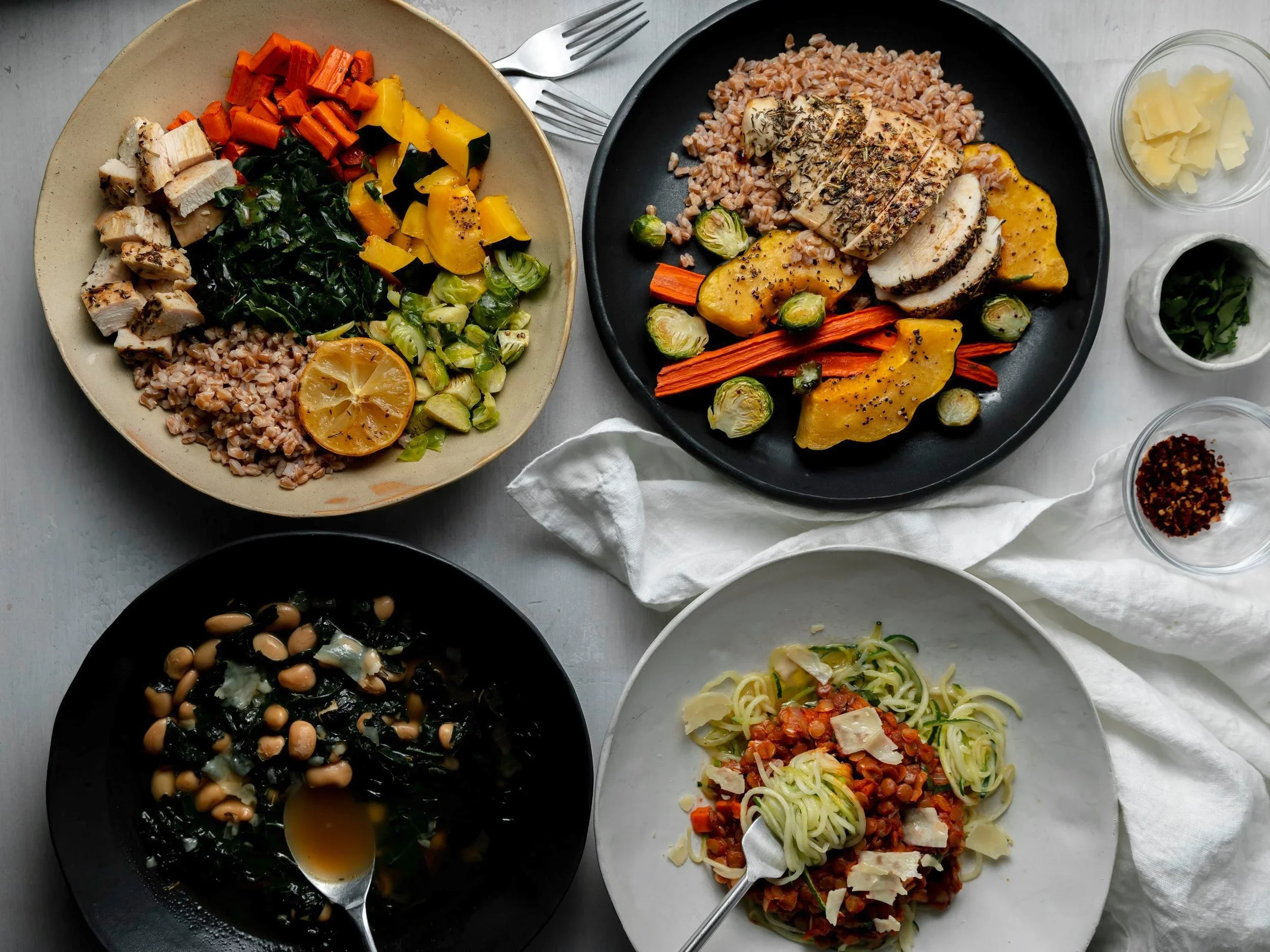
Don’t overcomplicate fiber! A practical way to boost your fiber intake without overthinking it is to build your plate with balance in mind. Aim for half your plate to be filled with fruits and vegetables –– this can be fresh, frozen, or cooked, it all counts! Then, try to dedicate a quarter of your plate to another fiber-rich carbohydrate like whole grains, beans, lentils, or even a hearty, high-fiber veggie such as sweet potato. That means about 75% of your meal naturally becomes a source of fiber, while the remaining 25% can be protein to round things out. This simple way of building your plate sets you up for success, keeps meals satisfying, and makes the idea of fibermaxing less about obsessing over grams and more about enjoying whole, colorful foods.
½ your plate → fruits & veggies (this is also a great way to add volume to your meal)
¼ plate → another fiber-rich carb (whole grains, beans, high-fiber veg)
¼ plate → protein
That means 75% of every meal feeds your fiber needs (no calorie or macro calculator needed).

What to know, and what’s missing
While fibermaxxing has good intentions, there are a few key pieces often left out of the conversation. Here’s how to take the trend to the next level –– without the discomfort or extremes.
Mix up your fiber types: Did you know there are different types of fiber? Not all fibers work the same! Soluble fiber (found in oats, beans, apples, and chia seeds) helps slow digestion, supports blood sugar balance, and lowers cholesterol. Insoluble fiber (like whole grains, nuts, and the skins of fruits and veggies) adds bulk and keeps things moving. For the best gut health, aim for both.
Variety is your friend: One common mistake with fibermaxxing is leaning too heavily on the same foods (like loading up on broccoli every day). Your gut microbiome thrives on diversity, so try to rotate your food sources. Next time, try berries at breakfast, beans or lentils at lunch, whole grains and greens at dinner.
Check your personal needs: Everyone’s nutritional needs are different. Just because you see someone on social media consuming a specific amount of fiber doesn't mean you should follow their routine to a T. If you have digestive conditions such as IBS, IBD, or other gut sensitivities, the “more is better” approach might not work for you. In these cases, contact a registered dietitian to help tailor fiber choices to your body’s tolerance!
Keep the daily goals in mind: Most people only get about 15 grams of fiber per day, which is well below the U.S. dietary guidelines. Here is what is recommended:
Women: 25g of fiber per day
Men: 31-38g of fiber per day
Whole foods first: Fiber supplements and powders (like psyllium) are great, but they shouldn’t replace the nutrient-dense foods that naturally provide fiber. Fruits, vegetables, whole grains, beans, lentils, nuts, and seeds bring extra vitamins, minerals, and antioxidants along with the fiber itself.
Excellent sources of dietary fiber:
Whole grains: Quinoa, oats, farro, bulgur, buckwheat, amaranth, whole wheat couscous, etc.
Beans and lentils: Black beans, pinto beans, navy benas, cannellini beans, butter beans, etc.
Nuts and seeds: Brazil nuts, pistachios, cashews, walnuts, almonds, chia seeds, hemp seeds, flax meal, etc.
Fruits: Berries, apples, bananas, pears, kiwi, figs, dates, avocado, etc.
Vegetables: Broccoli, brussel sprout, sweet potato,
For a full list of great fiber sources, check out this blog post! Everything you need to know about fiber.
The bottom line
Fibermaxxing may be one of the few nutrition trends that actually points us in the right direction- most of us could benefit from eating more fiber. But like anything, going from zero to 100 and not staying consistent with your fiber intake is not the answer. A gradual increase, plenty of hydration, and a focus on variety will make the biggest difference for your digestion, your gut health, and your long-term wellness. Instead of stressing over grams or powders, keep it simple: fill most of your plate with vegetables, mix up your sources, and let fiber be part of a balanced way of eating.
Written by Kelanie Garcia

Kelanie is a full-time student at California Polytechnic University, San Luis Obispo. She’s a nutrition major with an entrepreneurship minor, aspiring to become a Registered Dietitian. Kelanie is passionate about sharing the impacts of the Mediterranean diet, as it has transformed her relationship with food and wellness while being a college student. In her free time, she loves to test recipes, run outdoors, and improve her photography skills. Kelanie will be graduating from Cal Poly and attending a Dietetic Internship this year.

This post was reviewed by Kelly Powers, MA, RDN. Kelly is a Registered Dietitian and Culinary Nutritionist who takes a holistic approach to nutrition and health. She’s a recipe developer with a food blog highlighting whole foods, simple recipes, and her life in San Francisco. Kelly is the creator of Weeknight Dinners, a weekly meal plan program that helps people get back in the kitchen and feed themselves well. Kelly specializes in meal planning, the Mediterranean diet, and sustainable behavior change, helping her clients reach their health goals while improving their relationship with food. She’s also a nutrition consultant for health and tech startups, food companies, and brands she believes in.